In the demanding environment of glass melting furnaces, the selection and application of refractory materials dictate operational efficiency and longevity. Fused AZS (Alumina-Zirconia-Silica) blocks have emerged as a leading material, prized for their exceptional chemical stability and dense microstructure. This guide delivers an in-depth exploration of fused AZS blocks’ material properties, installation strategies, and maintenance techniques designed to combat crystallization and thermal cracking, two predominant challenges in furnace operation.
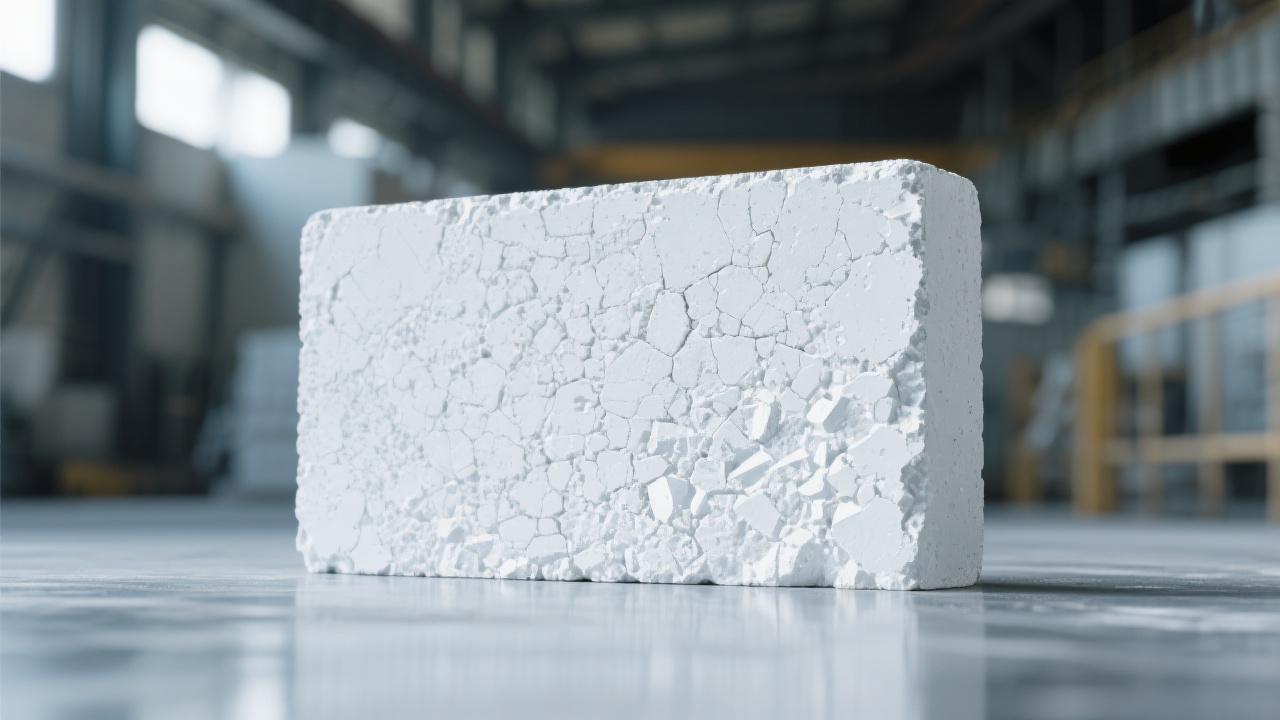
Fused AZS blocks are composed primarily of alumina (Al₂O₃), zirconia (ZrO₂), and silica (SiO₂), fused at extremely high temperatures exceeding 2500°C. This manufacturing process results in a highly vitrified, dense microstructure characterized by extremely low porosity (<3%) and excellent chemical inertness. The embedded cubic zirconia phase inhibits devitrification and grain growth, contributing to enhanced resistance against corrosion by molten glass and thermal shock.
Glass furnaces operate under high-temperature gradients, often between 1300°C to 1600°C, with harsh chemical exposure to molten glass components such as alkalis and silica. Fused AZS blocks' dense composition minimizes infiltration by molten glass, reducing formation of glassy scales and surface crystallization—a frequent cause of block degradation and furnace inefficiency. Positioning AZS blocks strategically in critical furnace zones mitigates localized stresses and chemical attack.
The furnace lining typically requires multi-layered refractory solutions. Fused AZS blocks are optimally applied in the glass-contact zones—such as the forehearth and throat—as the primary barrier against corrosion and surface crystallization. Surrounding layers composed of insulating or semi-refractory materials buffer thermal expansion and reduce overall heat loss.
| Zone | Material Recommendation | Key Purpose |
|---|---|---|
| Glass Contact Surface | Fused AZS Blocks | Corrosion and crystallization resistance |
| Thermal Buffer Layer | High Purity Alumina Bricks | Thermal shock protection |
| Insulation Zone | Lightweight Firebrick | Heat retention and energy efficiency |
Such a layered design supports operational stability and extends service life by mitigating the primary instability mechanisms, namely crystallization and thermal cracking.
Crystallization typically results from devitrification of molten glass residues interacting with refractory surfaces. Maintaining a smooth, dense block surface via proper sintering and installation techniques reduces nucleation sites for crystal formation. Additionally, graduated heating and cooling cycles during furnace start-ups and shutdowns minimize thermal stresses that cause cracking.
A practical tip is to implement an interlocking installation method using precise machining of AZS blocks, ensuring uniform load transfer and preventing stress concentration. Regular inspection combined with thermal imaging can detect early signs of hot spots or cracking before failures occur.

The installation of fused AZS blocks must follow stringent alignment and levelness standards to avoid mechanical stress points during furnace cycles. Application of refractory mortar with matched thermal expansion coefficients secures the blocks firmly while allowing slight flexibility.
Maintenance protocols include scheduled cleaning of block surfaces to prevent glass scale build-up, and periodic ultrasonic inspections to identify subsurface flaws. Incorporating operational logs that record temperature fluctuations and maintenance events strengthens predictive maintenance programs.
A renowned glass manufacturer documented a 25% extension in furnace campaign life after retrofitting their forehearth zone with fused AZS blocks, coupled with enhanced refractory monitoring. Additionally, thermal crack incidence decreased by 40%, leading to significant operational cost savings and less downtime.
These data underscore the efficacy of fused AZS blocks not just as a refractory choice but as a critical enabler for sustainable and efficient glass melting operations.
For professionals dedicated to optimizing glass furnace performance, the strategic application of fused AZS blocks is an indispensable technical advancement.