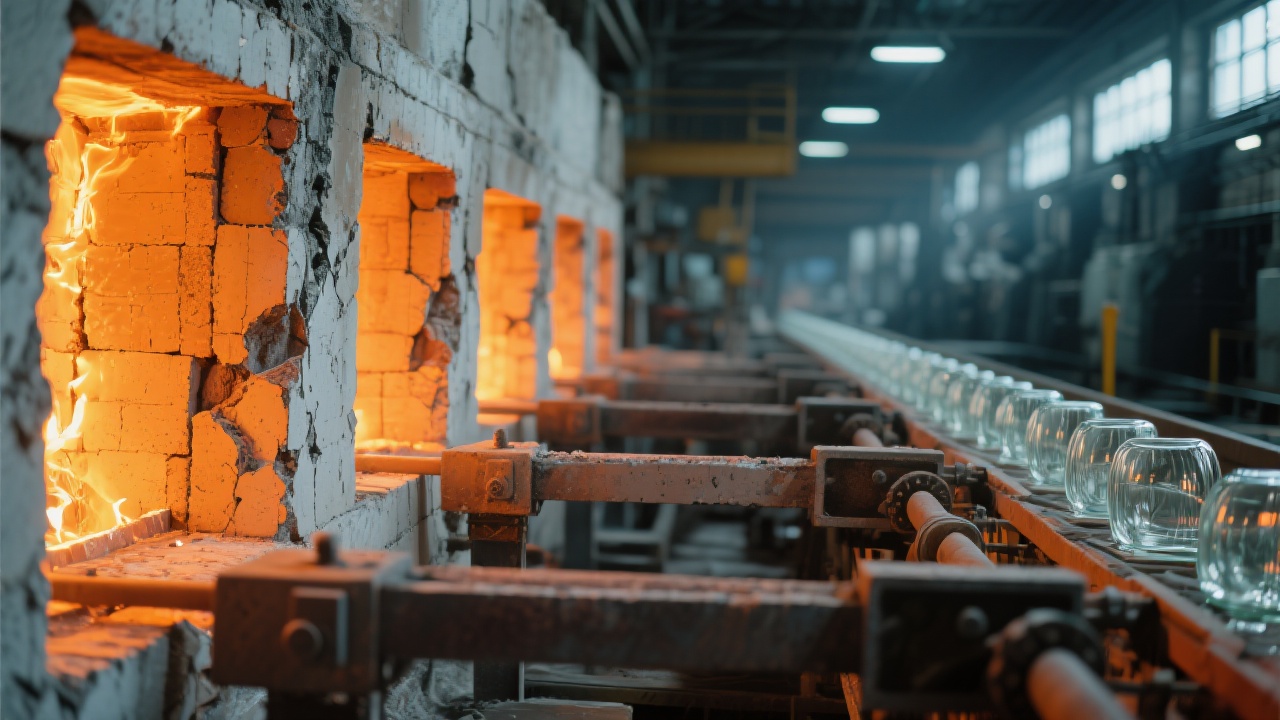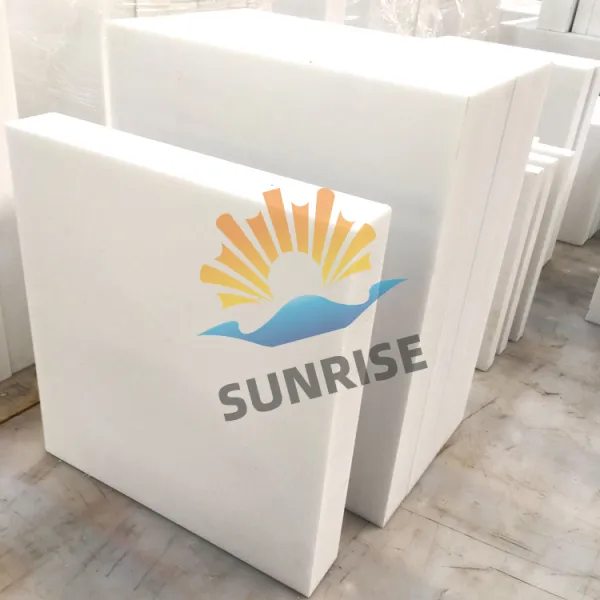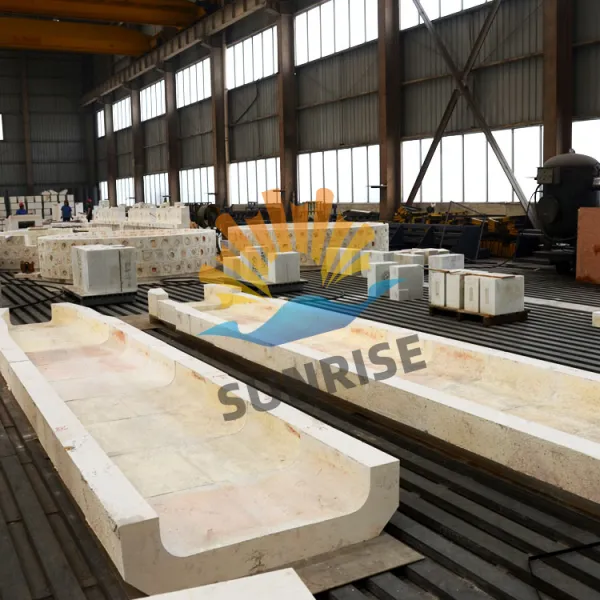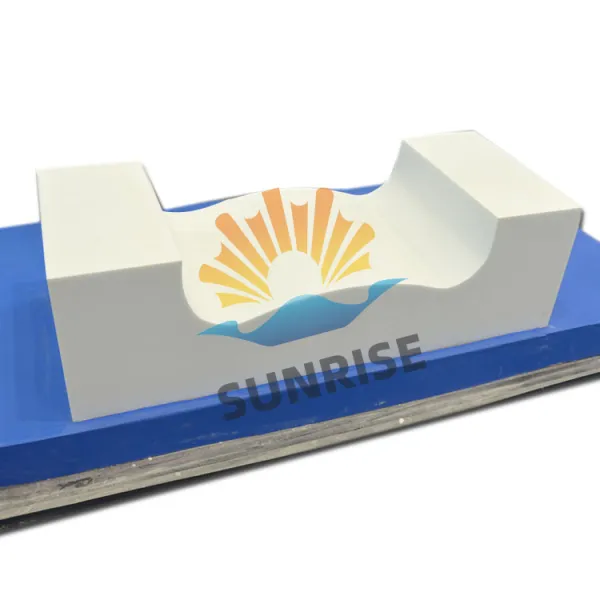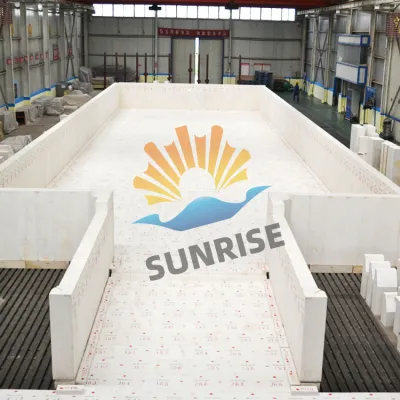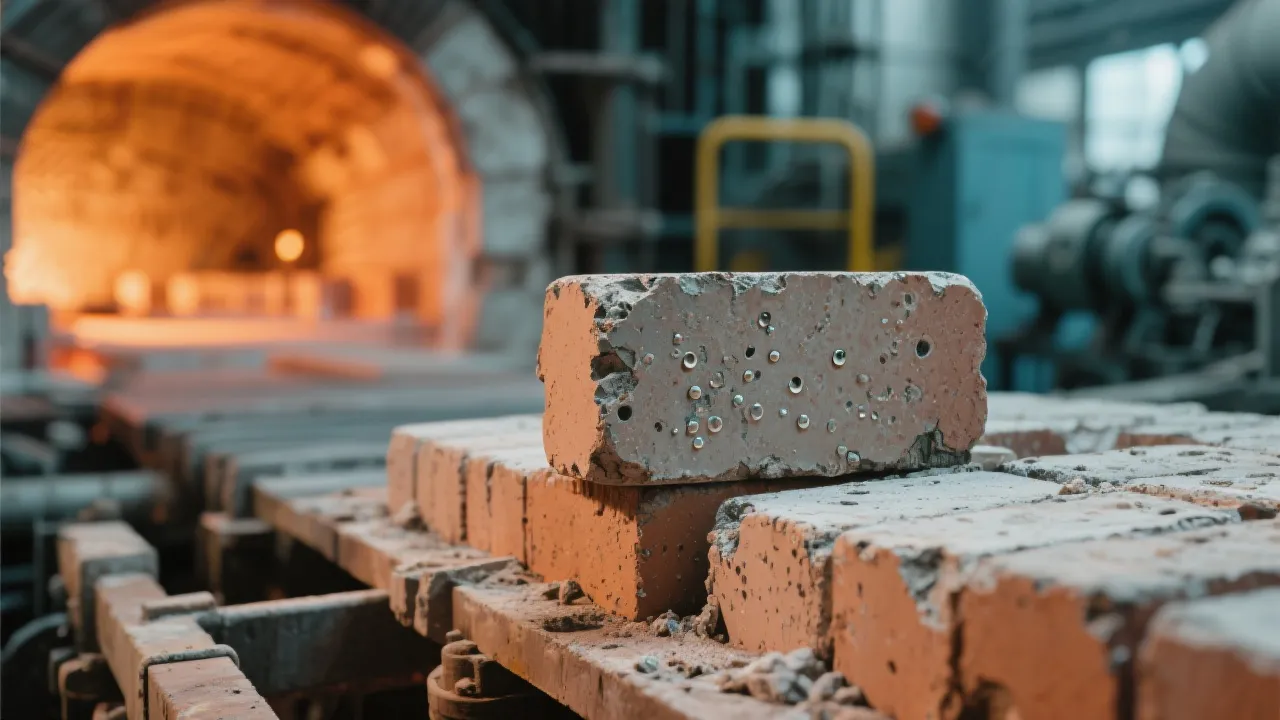
The role of fused AZS (Alumina-Zirconia-Silica) cast blocks in the performance and longevity of glass melting furnaces has attracted increasing attention in modern refractory engineering. Designed for operating temperatures exceeding 1700°C, these materials stand out due to their exceptional chemical stability, high density, and superior resistance to corrosion and thermal shock.
Fused AZS cast blocks primarily consist of 50-70% alumina (Al2O3), 20-40% zirconia (ZrO2), and 10-20% silica (SiO2). This unique combination yields a crystalline structure that enhances refractoriness to deformation and resistance against corrosive glass melts. The blocks’ high density, typically above 3.4 g/cm3, minimizes porosity and, consequently, the infiltration of molten glass, thereby extending furnace service life by up to 25% compared to traditional refractory bricks.
| Property | Typical AZS Block Value | Industry Standard Range |
|---|---|---|
| Bulk Density (g/cm³) | 3.45 | 3.3 - 3.5 |
| Refractoriness (°C) | ≥ 1780 | ≥ 1750 |
| Thermal Shock Resistance (Cycles) | > 15 | > 12 |
| Chemical Corrosion Rate (% weight loss) | < 2 | < 3 |
The efficacy of fused AZS blocks depends not only on the material itself but critically on their scientific arrangement within the glass melting furnace. Given that temperature gradients can exceed 200°C between different kiln zones, the placement of AZS blocks must correlate with local thermal and chemical stress profiles.
For example, the superstructure facing zones exposed to molten glass jets benefit from high-alumina content fused AZS blocks for increased corrosion resistance, while crown areas prioritize thermal shock resilience. Implementing variable thickness schemes—ranging from 70mm in high-stress areas to 40mm in secondary zones—has shown to reduce crack incidence by approximately 30%, directly improving furnace uptime.
Proper installation is paramount. Key steps include:
Scheduled maintenance with thermal imaging tools helps detect early signs of hot spots or cracking, enabling predictive repairs. Documenting temperature distribution via infrared scans quarterly has correlated with a 15% decrease in unscheduled downtimes.
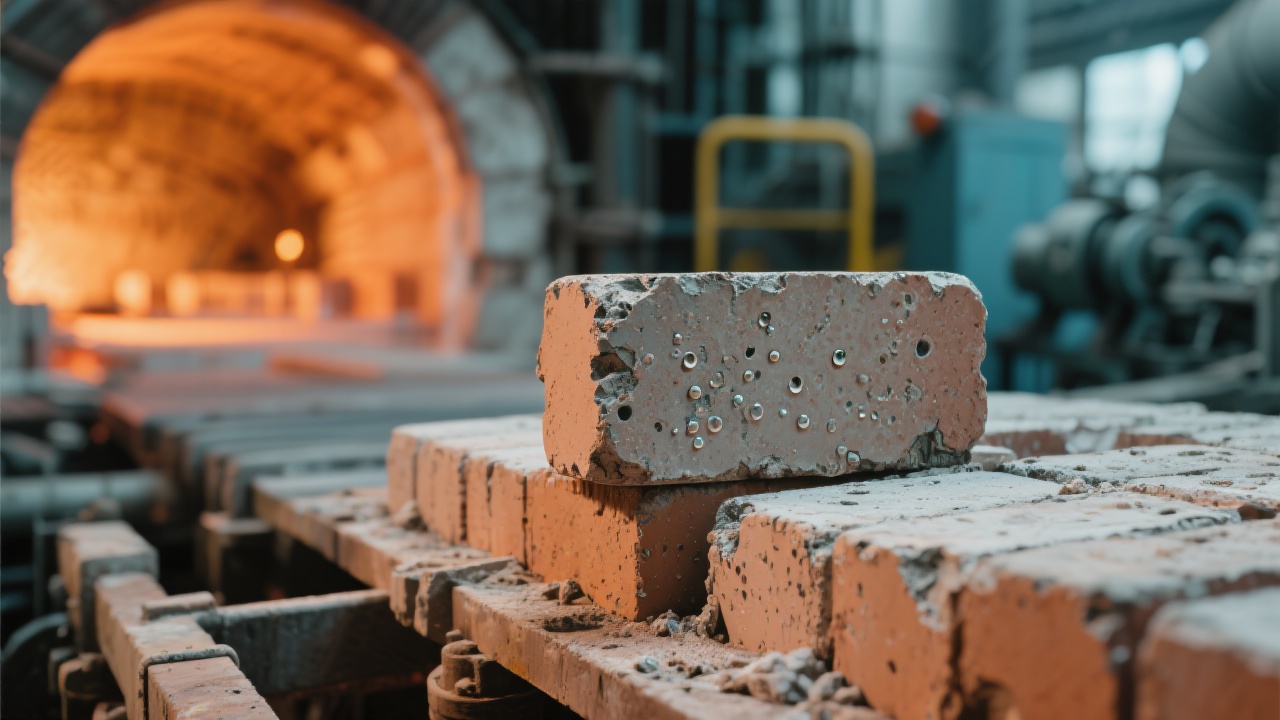
The primary failure modes associated with AZS block use are crystallization-induced degradation and thermal fractures. Crystallization typically arises under temperature fluctuations exceeding 50°C within short intervals, causing phase transformation stresses.
Preventative strategies include:
Thermal cracks often initiate near anchors or block edges due to uneven expansion stresses. Utilizing flexible joint fillers and adjusting anchor density have been empirically proven to mitigate these risks, as supported by case data from leading glass manufacturers where crack rate dropped by 22% post-implementation.
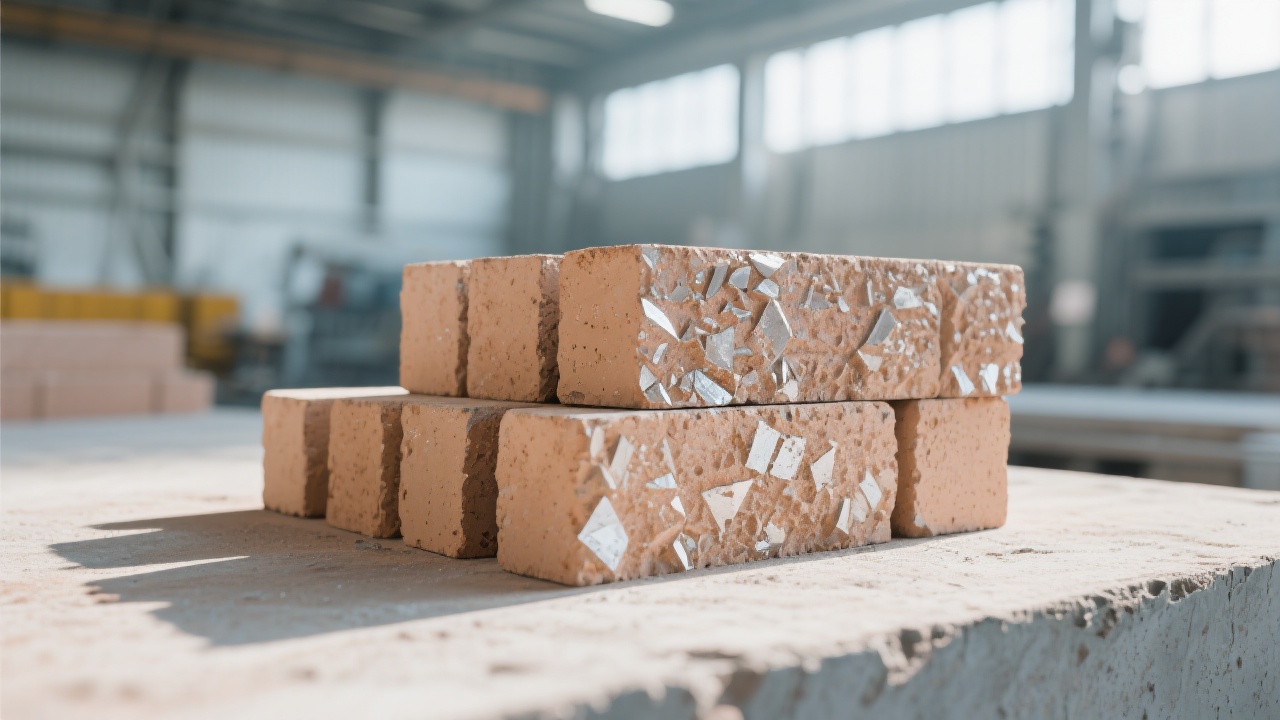
Integrating fused AZS cast blocks into glass melting furnaces enables significant advancements in operational efficiency. Their outstanding refractory properties reduce maintenance frequency, improve thermal consistency, and ultimately support higher glass quality output—factors critical to competitive edge in glass manufacturing markets.
Adopting AZS technology aligns with sustainable production goals by minimizing energy consumption linked to frequent stoppages and repairs. Industry benchmarks demonstrate energy savings between 5-8% annually in well-maintained AZS-lined furnaces.