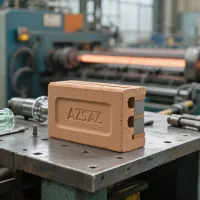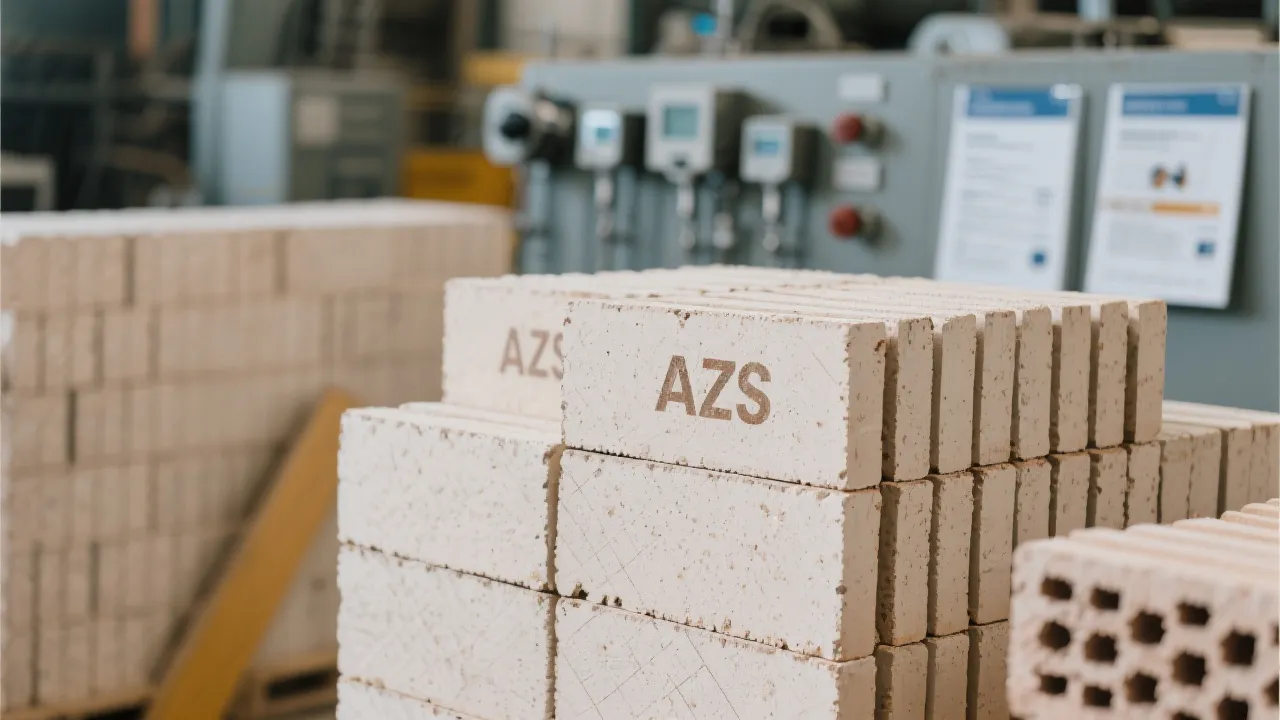
In the float glass production process, the stability of refractories directly determines the lifespan of the furnace and the quality of the glass. This article delves into the influence mechanism of Na₂O content in electro - fused AZS refractories on glass - phase stability and anti - crystallization ability. It reveals why low - sodium formulations, such as the TY - AZS36D with Na₂O + K₂O ≤ 1.35%, can significantly enhance corrosion resistance, reduce glass defects, and extend the furnace operation cycle.
Na₂O in electro - fused AZS refractories can have a profound impact on the glass - phase structure. When the Na₂O content is relatively high, it can disrupt the original stable structure of the glass phase. For example, a study has shown that when the Na₂O content exceeds 2%, the viscosity of the glass phase decreases by about 15%, which makes the glass phase more fluid and less stable.
This instability in the glass phase can lead to a series of problems. The reduced viscosity makes the glass phase more likely to flow out of the refractory, exposing the internal structure of the refractory to the high - temperature and corrosive environment of the furnace, thereby accelerating the corrosion process. It is estimated that refractories with a Na₂O content above 2% may experience a corrosion rate that is 20% higher than those with a lower Na₂O content in the same operating environment.
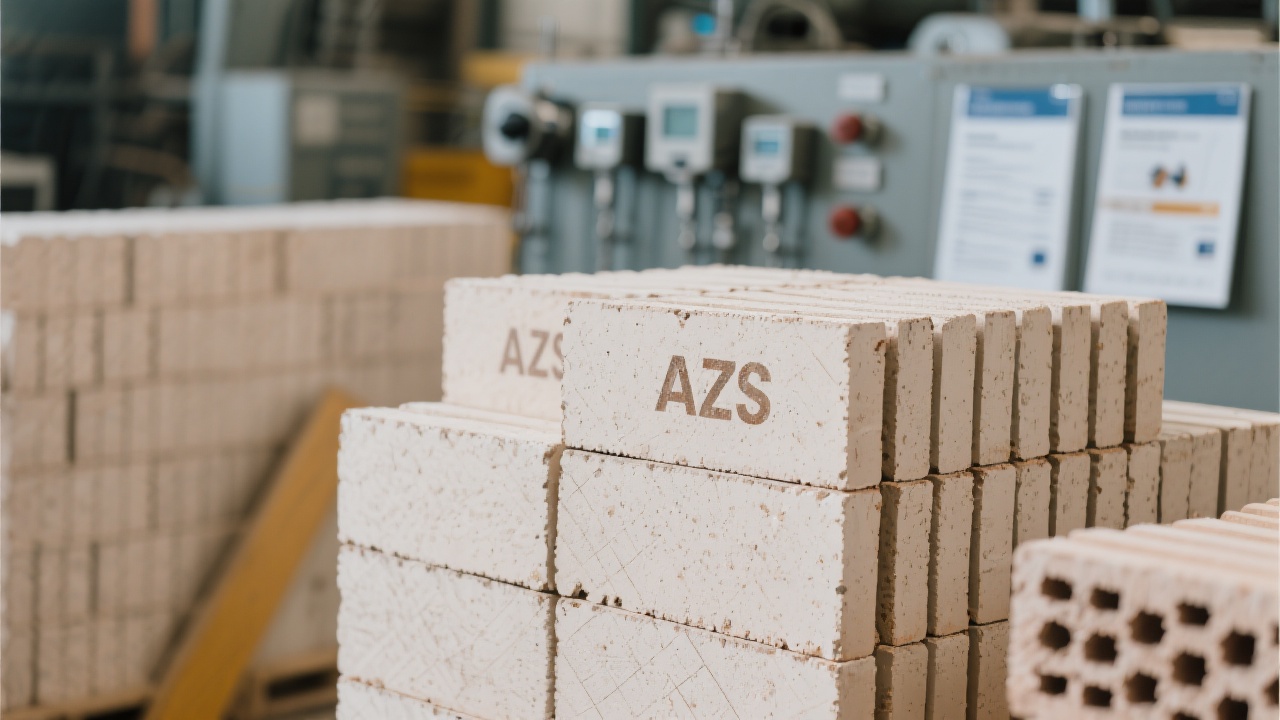
The corrosion resistance of electro - fused AZS refractories is closely related to the Na₂O content. Low - sodium formulations, such as the TY - AZS36D, have been shown to have significantly better corrosion resistance. In a corrosion test of the TY - AZS36D with Na₂O + K₂O ≤ 1.35%, the weight loss after 100 hours of exposure to a high - temperature and corrosive molten glass environment was only about 5%, while a high - sodium refractory with a Na₂O content of about 3% had a weight loss of up to 15% under the same conditions.
Regarding anti - crystallization ability, a Na₂O content vs. anti - crystallization ability trend chart can provide a clearer picture. As the Na₂O content increases, the anti - crystallization ability of the refractory decreases. When the Na₂O content is reduced to a low level, such as in the TY - AZS36D, the number of crystal nuclei formed in the glass phase is significantly reduced, which helps to maintain the homogeneity and integrity of the glass phase. This reduction in crystallization can extend the service life of the refractory by 30 - 50% compared to high - sodium refractories.
The TY - AZS36D is a typical product that demonstrates the advantages of low - sodium formulations. Its Na₂O + K₂O ≤ 1.35% allows it to maintain better chemical and physical stability in high - temperature environments. The bulk density of TY - AZS36D can reach around 3.6g/cm³, which provides a denser structure to resist the penetration of molten glass and corrosive substances.
In practical applications, the use of TY - AZS36D has brought significant cost - saving benefits. For example, in a glass bottle kiln, the traditional high - sodium refractory needed to be replaced every 2 - 3 years due to severe corrosion and crystallization, while the TY - AZS36D can operate stably for 4 - 5 years, reducing the frequency of shutdowns for maintenance and replacement, thus saving a large amount of maintenance costs and production losses.
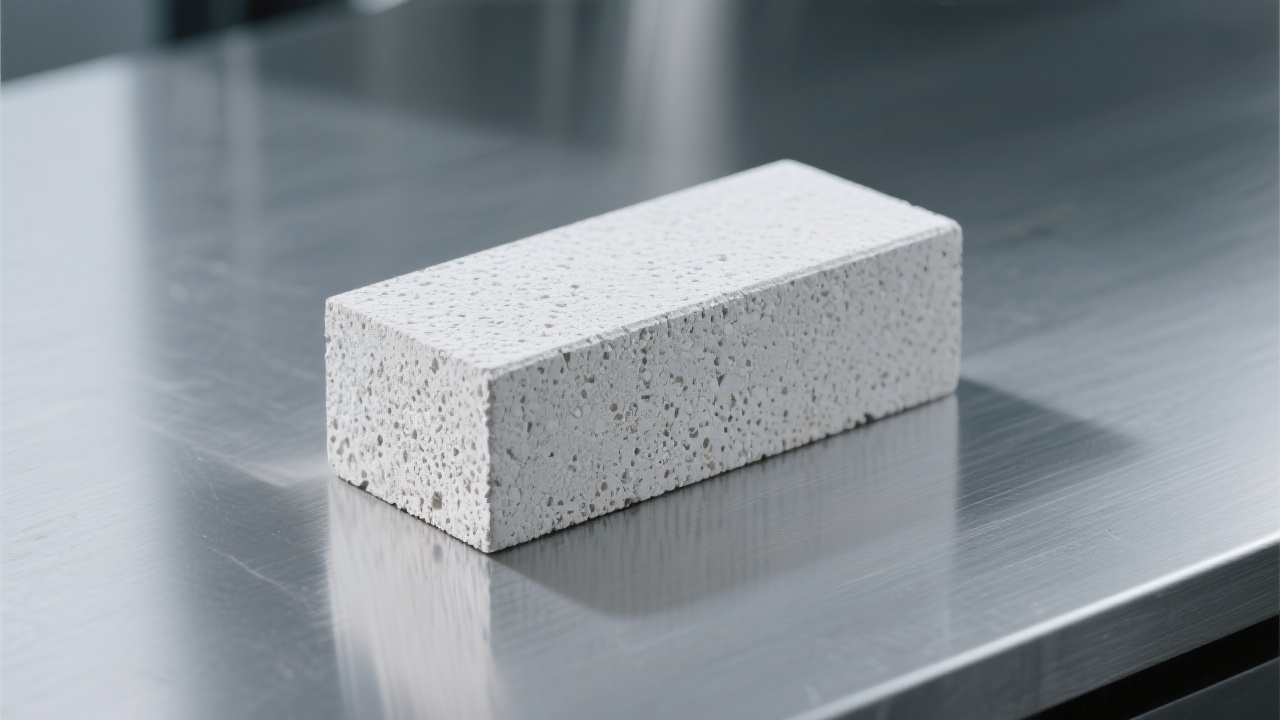
In different application scenarios, such as the sidewalls of bottle kilns and the floor tile areas in glass furnaces, the performance differences between high - sodium and low - sodium refractories are clearly reflected in the maintenance costs. In the sidewall of a bottle kiln, high - sodium refractories may experience severe spalling and corrosion, requiring frequent repair and replacement. The annual maintenance cost for sidewalls using high - sodium refractories can be as high as $50,000, while using TY - AZS36D, the maintenance cost can be reduced to about $20,000 per year.
In the floor tile area of the furnace, the crystallization and cracking of high - sodium refractories may lead to uneven heating and quality problems in the glass. Replacing the refractories in the floor tile area is a more complex and costly process. The use of TY - AZS36D can effectively reduce the occurrence of such problems, saving a large amount of replacement and maintenance costs.
When selecting AZS refractory materials, several factors need to be considered, including the glass composition, temperature gradient in the furnace, and the expected operating cycle. For glass with a high content of alkaline substances, low - sodium refractories like TY - AZS36D are more suitable because they can better resist the corrosion of alkaline substances. In furnaces with a large temperature gradient, refractories with good thermal shock resistance are required, and the low - sodium formulation of TY - AZS36D also provides better thermal shock resistance.
Based on the expected operating cycle, if a long - term continuous operation is required, the use of high - quality low - sodium refractories is recommended to reduce the frequency of shutdowns for maintenance and replacement. For example, for a furnace with an expected operating cycle of more than 5 years, TY - AZS36D is an ideal choice.
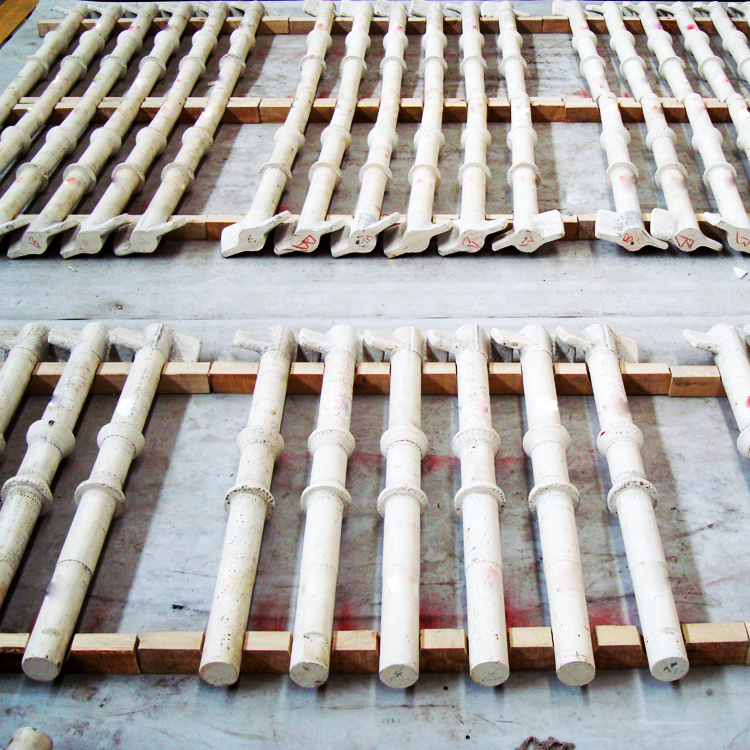
The products are backed by ISO certification and 30 years of industry experience, which provides strong credibility. ISO certification ensures that the products meet international quality and safety standards. The 30 - year industry experience means that the R & D and production teams have in - depth knowledge of the characteristics and application requirements of refractories, and can provide more professional and reliable products and services.
In conclusion, the Na₂O content in electro - fused AZS refractories has a significant impact on glass - phase stability, anti - crystallization ability, corrosion resistance, and service life. Low - sodium formulations, such as the TY - AZS36D, offer obvious advantages in improving product performance and reducing maintenance costs. For engineers and procurement decision - makers, choosing the right refractory material is crucial to ensure the long - term stable operation of the glass furnace and the quality of the glass product.
If you want to learn more about the TY - AZS36D product details and download the technical manual, click here to explore further insights!

 417
|
417
|
 high zirconia castable bricks
specialty glass
glass kiln
high zirconia castable bricks
specialty glass
glass kiln
 181
|
["AZS nozzle blocks"
"refractory material corrosion"
"glass manufacturing solutions"
"high-temperature refractories"
"custom refractory products"]
181
|
["AZS nozzle blocks"
"refractory material corrosion"
"glass manufacturing solutions"
"high-temperature refractories"
"custom refractory products"]
 56
|
float glass furnace refractory selection
low sodium AZS refractory
fused AZS36D performance
glass phase precipitation temperature
furnace lining optimization
56
|
float glass furnace refractory selection
low sodium AZS refractory
fused AZS36D performance
glass phase precipitation temperature
furnace lining optimization
 475
|
AZS refractory bricks
high-temperature applications
alumina zirconium silicate
475
|
AZS refractory bricks
high-temperature applications
alumina zirconium silicate
.jpg?x-oss-process=image/resize,h_600,m_lfit/format,webp) 114
|
AZS rotating pipe bricks
custom glass furnace feeding solutions
high-performance refractory materials
114
|
AZS rotating pipe bricks
custom glass furnace feeding solutions
high-performance refractory materials


.jpg?x-oss-process=image/resize,m_fill,h_200,w_200/format,webp)
.jpg?x-oss-process=image/resize,m_fill,h_200,w_200/format,webp)