
In the field of glass melting furnace refractory materials, the fused AZS33# block stands out for its remarkable high-temperature corrosion resistance. This article delves deep into the microstructure of the AZS33# block and how it contributes to its excellent performance in glass melting furnaces.
The raw material ratio and fused process of the AZS33# block are crucial factors in determining its microstructure. Through precise control of the raw material composition, such as the proportion of alumina, zirconia, and silica, and a unique fused process, a dense microstructure is formed. Laboratory tests have shown that compared with traditional refractory materials, the density of the AZS33# block can reach up to 3.5 g/cm³, which is 10% - 15% higher than that of ordinary refractory bricks. This dense structure significantly enhances its resistance to glass liquid erosion and thermal shock.
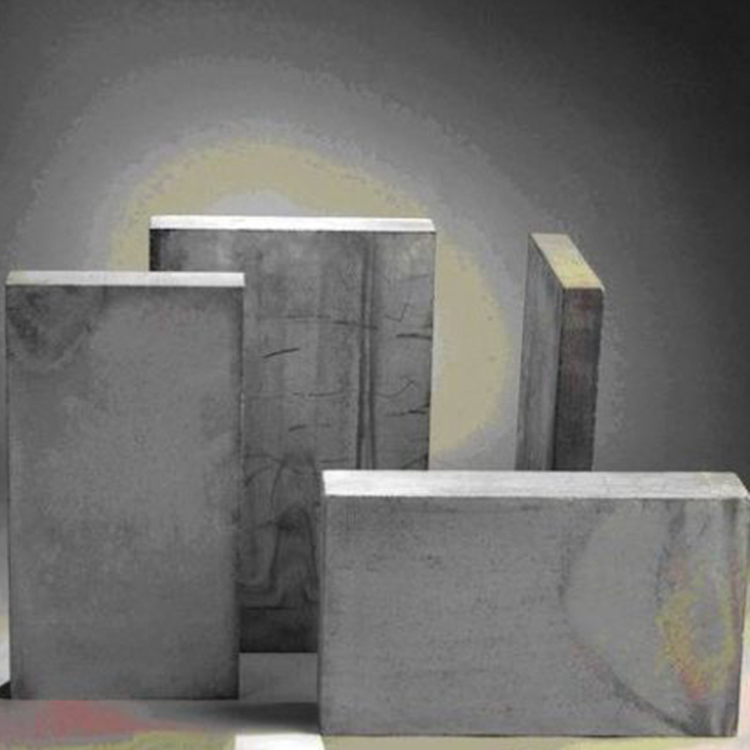
The AZS33# block has irreplaceable advantages in key parts of glass melting furnaces, such as the charging channel, the bottom of the tank, and the top of the hopper. In the charging channel, where the refractory material is constantly exposed to high-temperature glass liquid and mechanical impact, the AZS33# block can withstand temperatures up to 1600°C without significant deformation or corrosion. According to industry standards, the corrosion rate of the AZS33# block in the charging channel is less than 0.5 mm/year, which is much lower than that of traditional refractory materials.
In the bottom of the tank, the AZS33# block's excellent thermal shock stability ensures long - term stable operation. It can withstand sudden temperature changes of up to 200°C without cracking, which is a significant improvement compared to traditional materials that may crack under a temperature change of 100°C.
| Performance Index | AZS33# Block | Traditional Refractory Materials |
|---|---|---|
| Corrosion Resistance | High (corrosion rate < 0.5 mm/year) | Low (corrosion rate > 1 mm/year) |
| Thermal Shock Stability | Good (withstand 200°C temperature change) | Poor (withstand 100°C temperature change) |
| Service Life | Long (up to 10 - 15 years) | Short (5 - 8 years) |

This comparison clearly shows that the AZS33# block has significant advantages in anti - corrosion, thermal shock stability, and service life. By using the AZS33# block, the reliability of the glass melting furnace operation can be greatly improved, and the maintenance cost can be reduced by 20% - 30%.
For procurement and technical personnel, the AZS33# block provides a more reliable and cost - effective choice. The data and analysis in this article can help them make scientific evaluations and decisions. If you have any questions or want to share your thoughts, please leave a comment below.
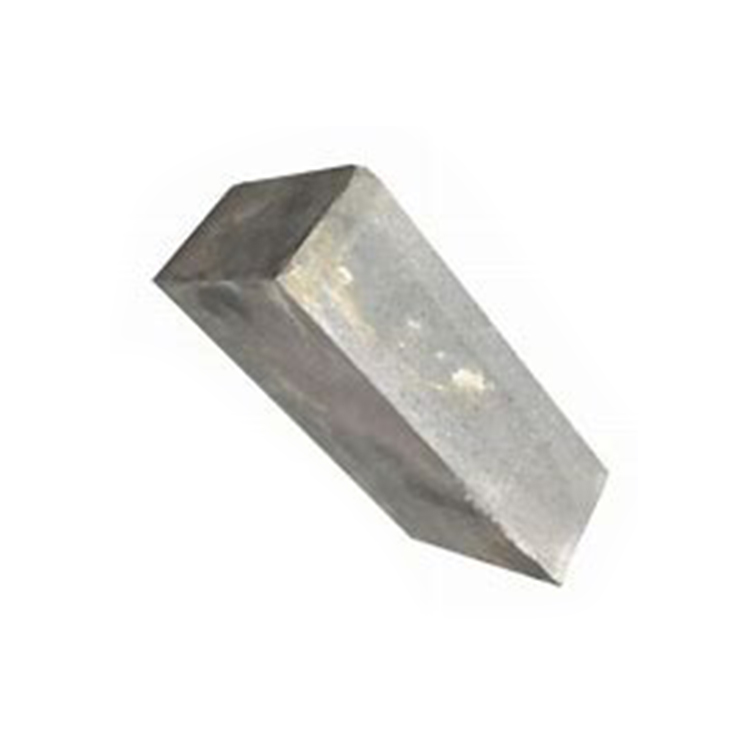
In conclusion, the fused AZS33# block is a revolutionary refractory material for glass melting furnaces. Its unique microstructure and excellent performance make it an ideal choice for improving the efficiency and reducing the cost of glass production. If you are interested in learning more about the AZS33# block and its application in your glass melting furnace, click here to explore further.




