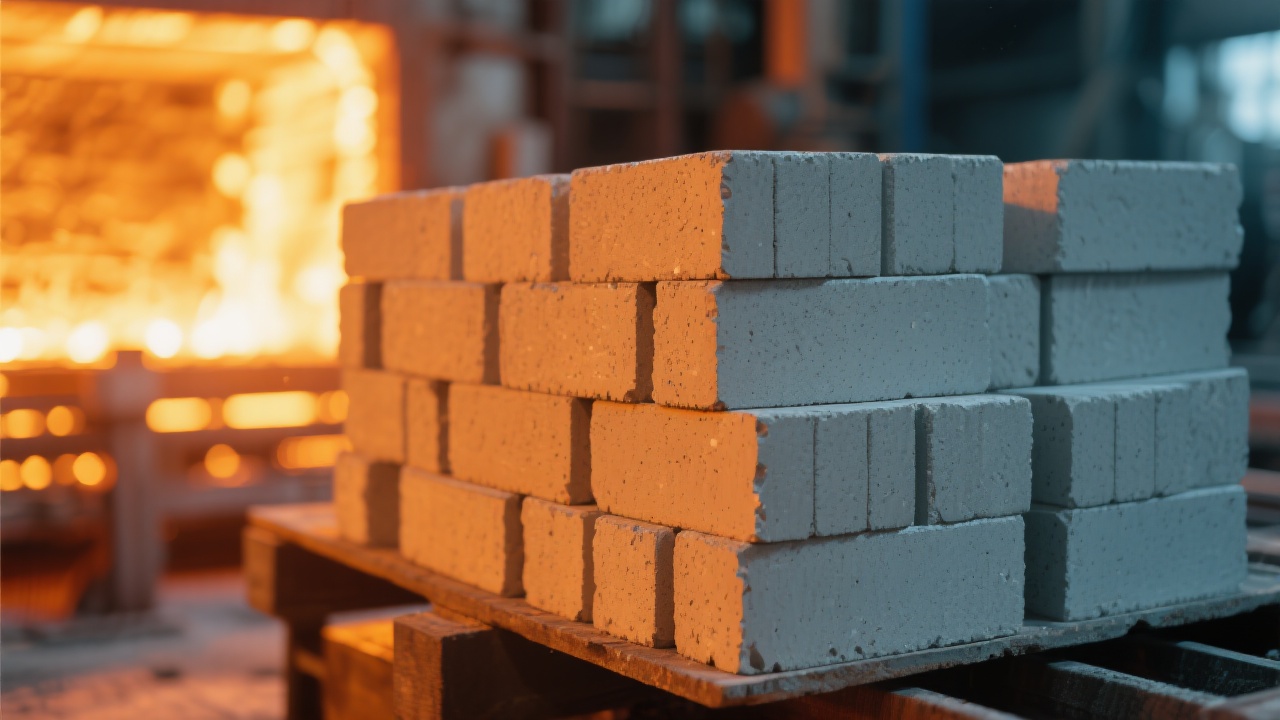
Common Issues of AZS Refractories in Glass Furnaces: Crystallization and Erosion Causes with Practical Solutions
2025-12-11
Application Tips
AZS refractories frequently face crystallization and erosion challenges in glass furnaces, impacting furnace efficiency and lifespan. This article provides an in-depth analysis of the manufacturing core of fused-cast AZS TY-AZS36D, highlighting critical control points from high-purity raw material blending to electric furnace melting and forming. It reveals how oxidation processes effectively reduce Na₂O and K₂O content to enhance glass phase stability, significantly improving thermal shock resistance and corrosion durability. Drawing on 30 years of production experience and international case studies, practical operation and maintenance strategies are shared to address short furnace service life and high maintenance costs.
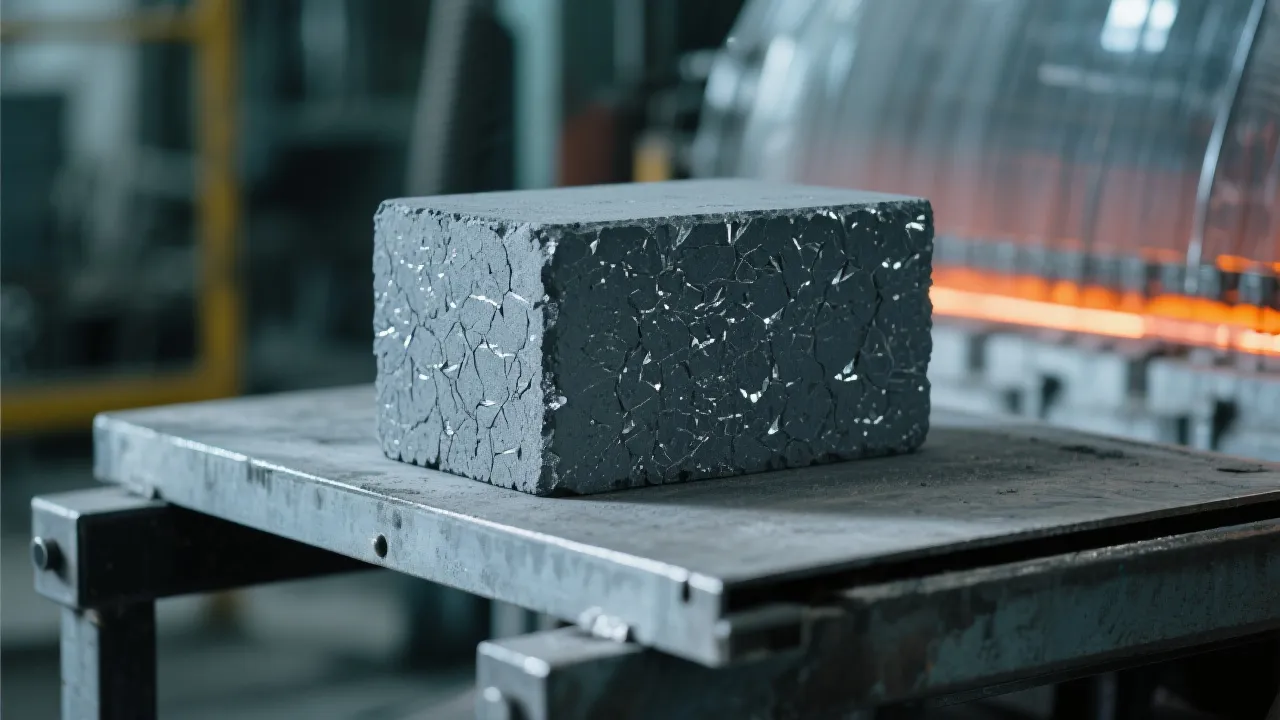
Unraveling the Challenges of Crystallization and Erosion in AZS Refractories for Glass Furnaces
In the glass manufacturing industry, the durability and efficiency of glass melting furnaces critically depend on the performance of refractory materials. Among these, fused cast AZS refractories—notably variants such as TY-AZS36D—remain the backbone of furnace lining due to their excellent resistance to corrosion and thermal shock. Yet, frequent crystallization and chemical erosion in the glass-contacting zones often shorten furnace life cycles and inflate maintenance costs. This article delves into the technical origins of these issues and discusses cutting-edge manufacturing controls and operational strategies to enhance refractory longevity and furnace uptime.
Industry Pain Points: Why AZS Refractories Face Rapid Crystallization and Corrosion
Traditional AZS refractories, especially in high-temperature zones exposed directly to molten glass, encounter rapid degradation primarily due to:
- Unstable glassy phase prone to crystallization, leading to volume changes and micro-cracking
- High alkali oxide content (Na₂O + K₂O), exacerbating chemical attack and erosion
- Insufficient control over cooling and solidification parameters during production
These factors cumulatively reduce the refractory’s ability to withstand thermal cycling and chemical penetration, resulting in premature failure.
Decoding the Fused Cast AZS Manufacturing Process: Key to Enhancing Performance
The robustness of TY-AZS36D fused cast refractories roots in meticulous control over each step of its fabrication:
- Raw Material Selection: High purity alumina, zirconia, and silica with controlled particle size distribution ensure homogeneous mixtures.
- Precise Batch Proportioning: The core formulation balances alumina (Al₂O₃), zirconia (ZrO₂), and silica (SiO₂) to stabilize the glass phase above 1400°C.
- Electric Furnace Melting: The electric fusion step melts the batch into a homogeneous liquid at approximately 2800°C, eliminating impurities.
- Liquid Casting & Cooling: Controlled pouring into molds followed by carefully regulated cooling gradients minimize internal stresses and suppress unwanted crystallization.
Data Insight: Advanced control over raw material purity and cooling rates raises the glass phase decomposition temperature above 1400°C, significantly suppressing the formation of detrimental crystalline phases.
Innovative Oxidation Control: Reducing Alkali Metal Oxides for Superior Stability
A major breakthrough in TY-AZS36D’s technology lies in its oxidation process that effectively reduces Na₂O and K₂O content. By optimizing oxygen partial pressures during fusion, alkali metal oxides are minimized, leading to:
- Improved structural integrity of the glassy phase
- Enhanced resistance to chemical attack from molten glass
- Marked increase in thermal shock tolerance
These adjustments ensure the refractory maintains intact microstructure longer, extending service life.
Operational Strategies: Mitigating Impact of Thermal and Atmospheric Fluctuations
Drawing from three decades of production experience and international deployments, practical recommendations have emerged:
- Temperature Management: Maintain stable furnace temperature profiles to avoid abrupt thermal shocks that promote micro-cracking.
- Atmosphere Control: Regulate oxidizing and reducing conditions to prevent enhanced alkali volatilization and aggressive chemical environments.
- Regular Inspection: Employ non-destructive testing methods to monitor early signs of crystallization and infiltration.
Implementing these controls leads to reduced downtime and optimized maintenance cycles.
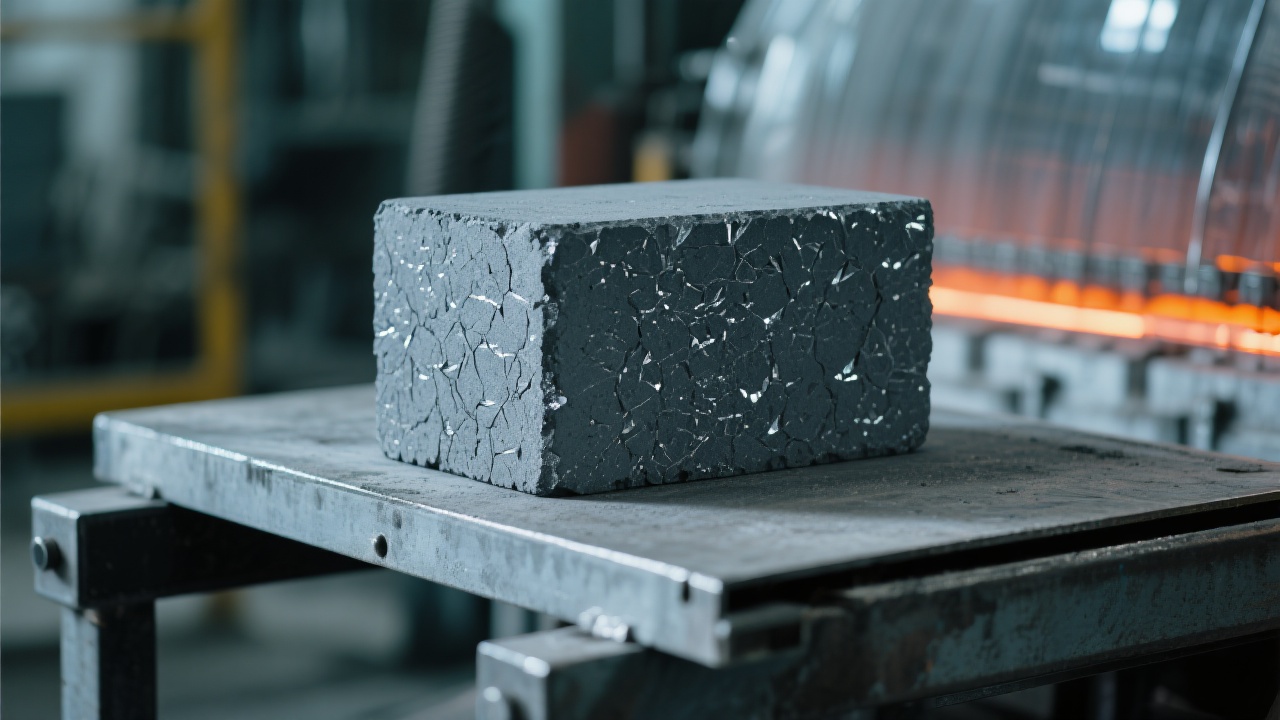
Quality Assurance: ISO Certification and Global Market Validation
TY-AZS36D products adhere to rigorous ISO 9001 quality management standards, ensuring consistent chemical compositions and mechanical properties across batches. Their proven reliability in diverse overseas glass manufacturing facilities—from Europe to Southeast Asia—provides clients confidence in long-term partnership and supply security.
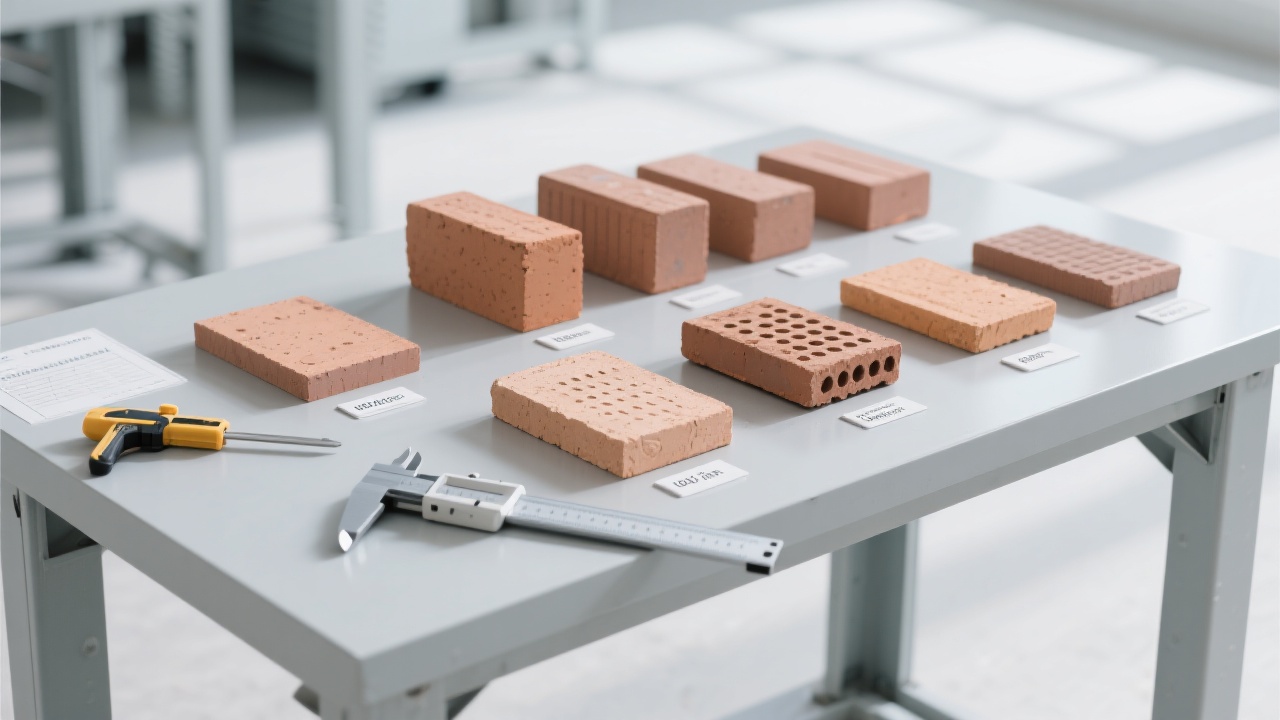
Unlocking Furnace Efficiency with Scientifically Engineered AZS Materials
In summary, the integrity and lifespan of glass furnace linings hinge on advanced manufacturing practices—especially those that control crystallization and alkali content within fused cast AZS refractories. Equipped with a deep understanding of electro-fusion processes and operational conditions, glassmakers can dramatically reduce refractory failures, cutting both downtime and operational expenses.