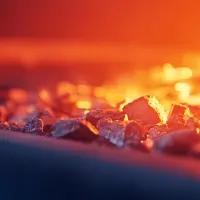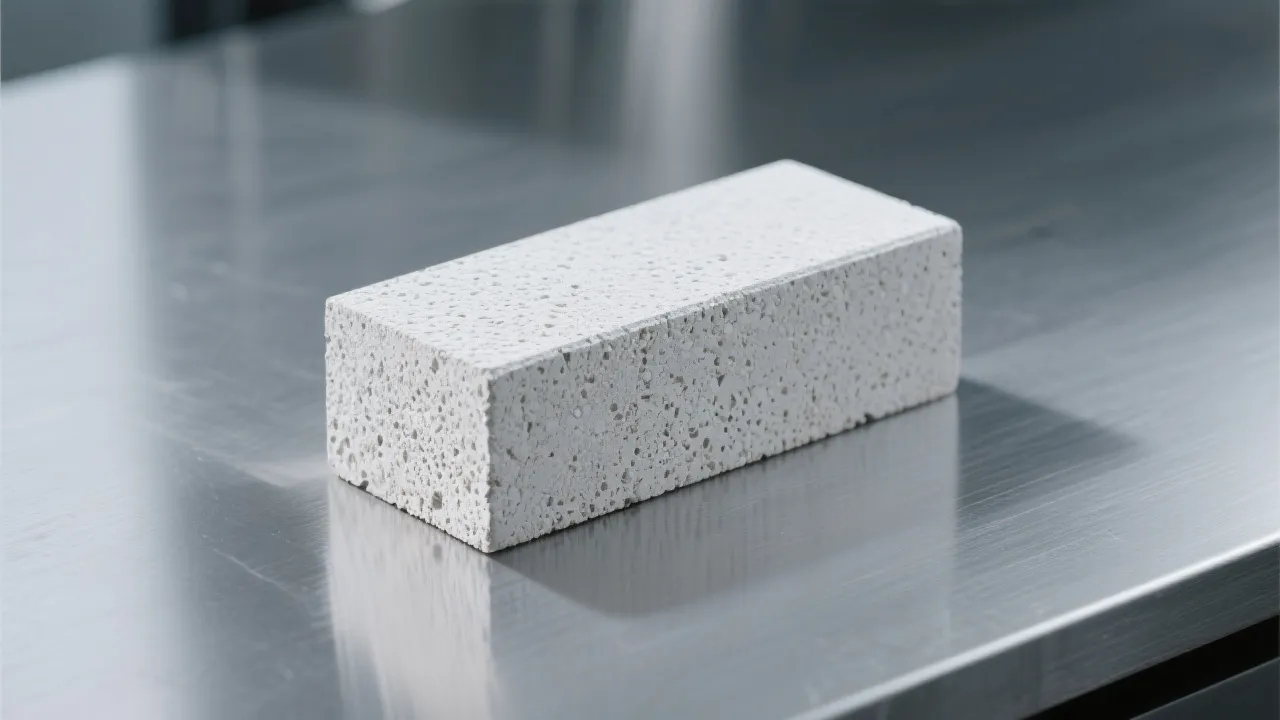
For over three decades, glass manufacturers have faced a persistent challenge: the premature crystallization of AZS (Alumina-Zirconia-Silica) refractory bricks in high-temperature zones of glass melting furnaces. This phenomenon not only shortens furnace life but also increases downtime and maintenance costs—often by up to 25% annually in poorly managed systems.
Electrofused AZS is more than just a material—it’s a precisely engineered system. The process begins with raw material selection: alumina (>99% purity), zircon sand (ZrSiO₄), and silica must be blended with strict stoichiometric control. Even minor deviations can lead to phase separation during cooling.
During electric melting at 1800–2000°C, the mixture forms a homogeneous liquid. However, it's the subsequent cooling phase that determines whether the glassy phase remains stable or crystallizes. A controlled cooling rate of approximately 1–2°C/hour—especially below 1400°C—is critical. Rapid cooling creates internal stresses and promotes nucleation sites for crystals like mullite or cordierite, which degrade performance under thermal shock.
Our proprietary oxidation step—conducted in a low-oxygen atmosphere at 1300–1450°C—reduces Na₂O content from typical levels of 12–15% down to 7–9%. This subtle change significantly enhances the viscosity and chemical stability of the glassy matrix, reducing interaction with molten glass and minimizing crystal growth over time.
Real-world data from a European flat glass producer shows that using our optimized AZS bricks reduced crystallization-related refractory wear by 40% over 18 months compared to standard-grade alternatives. That’s equivalent to extending furnace campaign life by 6–8 months per cycle—a direct impact on ROI.
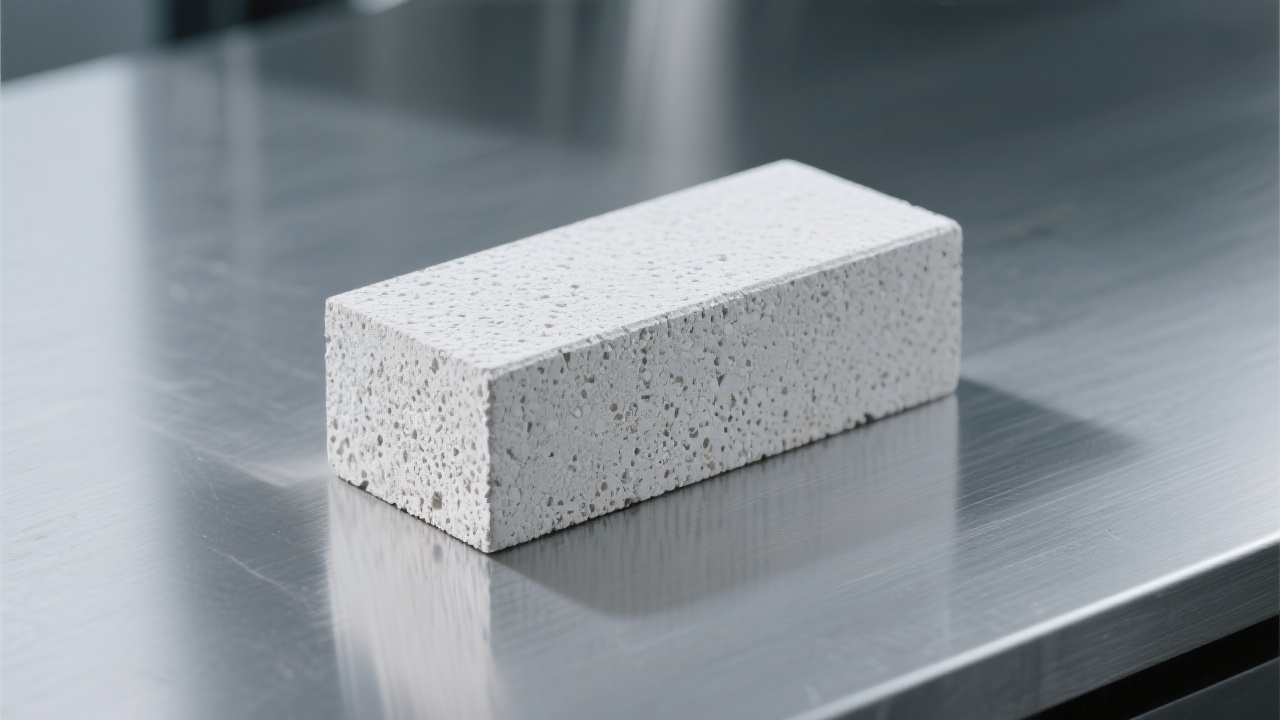
We’ve seen what works—and what doesn’t—in real-world operations. For example, one Middle Eastern client experienced frequent cracking after switching suppliers without verifying the cooling curve protocol. After implementing our standardized post-fusion cooling profile, their refractory failure rate dropped by 65% within six months.
Key takeaways for engineers and procurement teams:
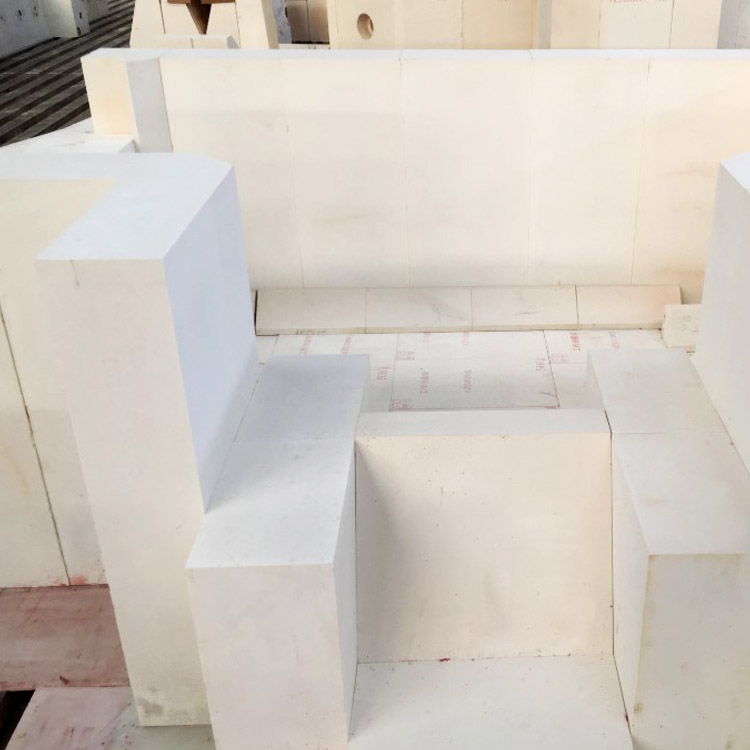
Understanding these nuances isn’t just academic—it directly impacts your production efficiency, safety, and long-term profitability. Whether you’re designing a new furnace or optimizing an existing one, choosing the right AZS refractory starts with knowing how it’s made—not just what it’s made of.
Explore real-world case studies, technical whitepapers, and expert insights in our Technical Resource Center.
Access Technical Guides Now →
 361
|
361
|
 electric fused AZS brick
glass furnace refractory lining
AZS brick longevity
energy saving in glass melting
refractory maintenance best practices
electric fused AZS brick
glass furnace refractory lining
AZS brick longevity
energy saving in glass melting
refractory maintenance best practices
 147
|
Fused AZS 33# blocks
Glass melting furnace refractory materials
Corrosion - resistant refractory bricks
Mullite brick comparison
High - temperature zone refractories
147
|
Fused AZS 33# blocks
Glass melting furnace refractory materials
Corrosion - resistant refractory bricks
Mullite brick comparison
High - temperature zone refractories
 378
|
High-Quality Glass
TY-Z95 Zirconia Blocks
Glass Manufacturing
Zirconia Advantages
Casting Technology
378
|
High-Quality Glass
TY-Z95 Zirconia Blocks
Glass Manufacturing
Zirconia Advantages
Casting Technology
 460
|
melting casting
α-alumina
market analysis
460
|
melting casting
α-alumina
market analysis
 185
|
AZS rotary tubes
glass production
refractory materials
185
|
AZS rotary tubes
glass production
refractory materials

.jpg?x-oss-process=image/resize,m_fill,h_200,w_200/format,webp)