https://shmuker.oss-accelerate.aliyuncs.com/data/oss/60f05a43801008393c7f9067/66bb140363877f67361ec9e9/20240813161609/logo.png

Analysis of Refractory Failure in Bottle Furnace Side Walls: Chemical Erosion and Mechanical Abrasion Protection Strategies

2025-12-15
Sunrise
Technical knowledge
The side walls of bottle furnaces are critical zones prone to chemical erosion, mechanical abrasion, and thermal stress cracking—factors that significantly impact furnace safety and efficiency. Based on real operational data and field cases, this article thoroughly examines the primary failure mechanisms of refractory materials in bottle furnace side walls. It highlights the superior performance of electro-fused AZSTY-AZS36D refractory material—featuring high ZrO₂ content, low porosity, and high compressive strength—and how these properties enhance resistance to degradation. Practical recommendations include optimized bricklaying structures and insulation layer design to extend service life. Insights from frontline engineers provide actionable maintenance tips for daily operations. This technical guide combines scientific rigor with hands-on applicability, offering valuable reference for both technical professionals and decision-makers in the glass industry.
https://shmuker.oss-accelerate.aliyuncs.com/data/oss/20250714/26c07482bfb594f4dbd4c88ae9b7acf8/fa63e61a-8697-4b89-bc95-b0e837270d9e.jpeg

Understanding the Failure Mechanisms of Refractory Materials in Bottle Furnace Side Walls

In glass manufacturing, the side walls of bottle furnaces are among the most critical and vulnerable zones due to intense thermal cycling, chemical attack, and mechanical erosion. According to industry data from a major European glass producer, over 60% of unplanned furnace downtime is linked to refractory degradation—especially in this area. This article breaks down the root causes behind such failures and offers actionable solutions based on real-world engineering insights.

Key Failure Modes: Chemical Attack, Mechanical Erosion & Thermal Stress

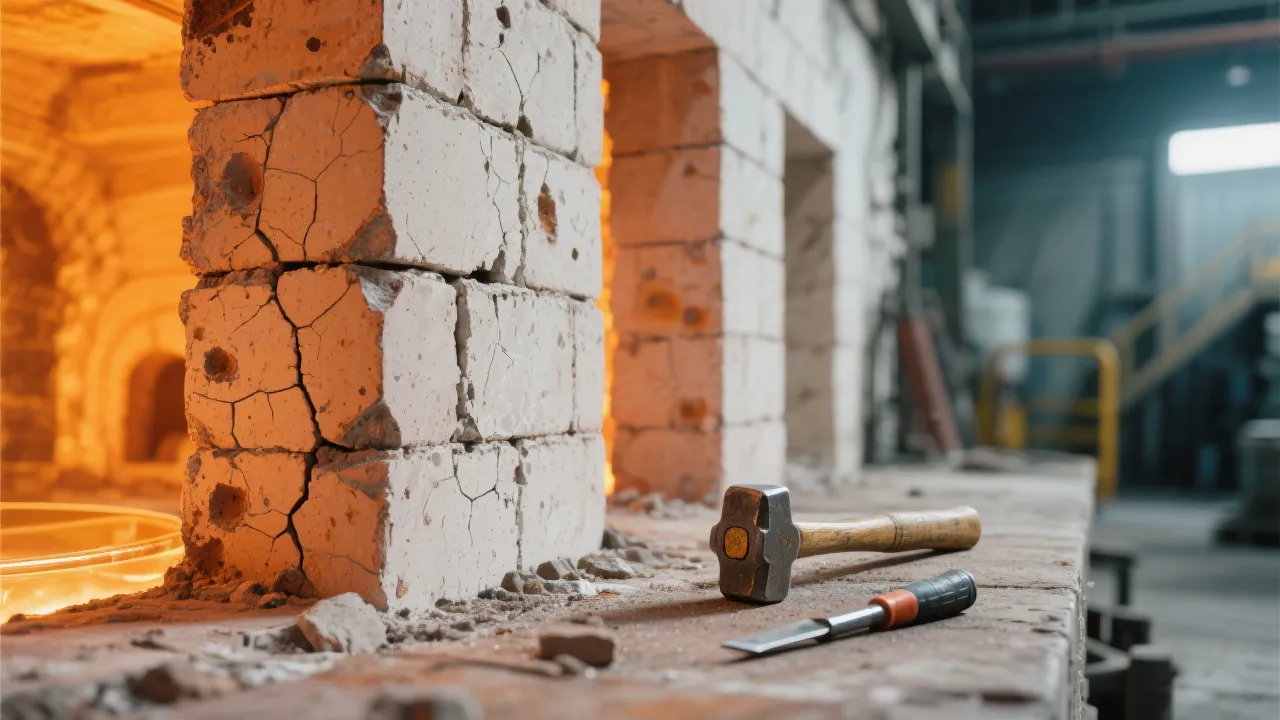
Chemical erosion occurs when molten glass or alkali vapors react with traditional refractories like fireclay or basic bricks. In one documented case at a Middle Eastern plant, a side wall lining failed after just 18 months due to Na₂O penetration—reducing compressive strength by up to 40%. Meanwhile, mechanical冲刷 (often overlooked) from high-velocity glass flow can cause surface spalling, especially near the burner zone where velocities exceed 2 m/s.

Thermal stress cracks form during rapid temperature changes—common in batch-fired furnaces. A study by the International Refractories Association found that materials with low thermal conductivity (>1.2 W/m·K) experienced up to 3x more micro-cracking than those with optimized heat dissipation properties.
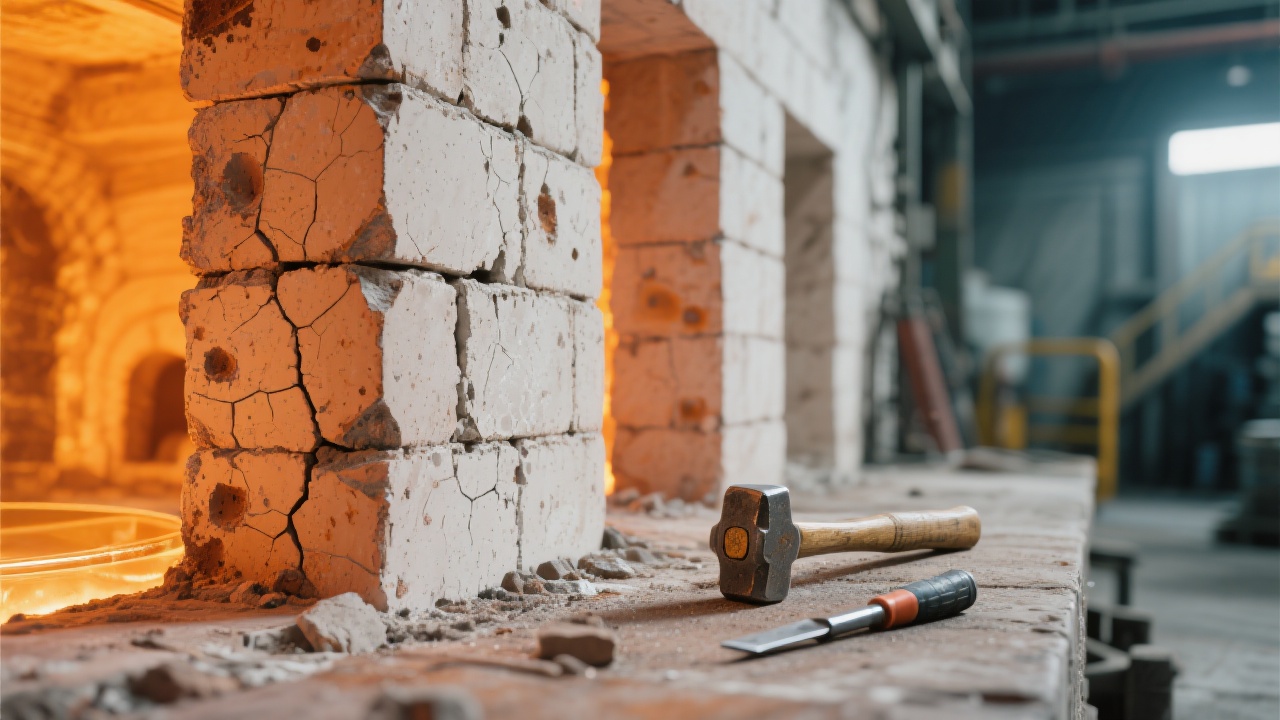
Cross-section showing chemical erosion patterns on bottle furnace side wall refractory

Why Electrically Fused AZS-36D Is the Smart Choice

The solution lies in material selection—and specifically, electrically fused AZS (alumina-zirconia-silica) with a ZrO₂ content of 36%. Compared to standard AZS-33, this grade shows:

  • Up to 25% higher resistance to alkali vapor corrosion (based on ISO 18877 testing)
  • Lower porosity (<12%) leading to reduced infiltration risk
  • Compressive strength exceeding 120 MPa at 1400°C—critical for structural integrity

But performance isn’t just about chemistry—it’s also design. Proper brick layout, including staggered joints and a well-insulated outer layer, can extend service life by 30–50%, as confirmed by field engineers at a U.S. container glass facility using our recommended installation method.
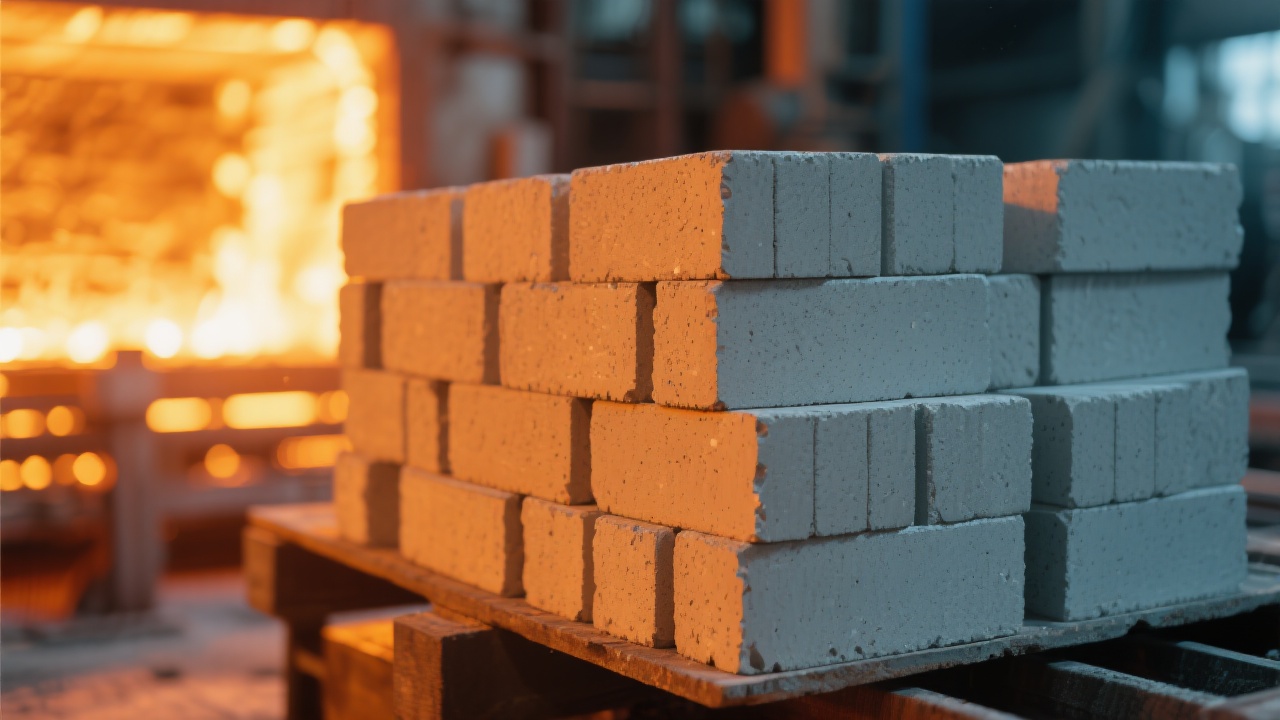
Engineer inspecting refractory lining during scheduled maintenance, highlighting wear patterns

Real Tips from the Field: Daily Practices That Prevent Catastrophic Failures

Our team interviewed five senior refractory technicians across three continents. Their shared advice? Monitor hot face temperatures daily—if they exceed 1350°C consistently, it’s time to re-evaluate insulation or firing schedules. Also, avoid sudden cooling after shutdowns—a common mistake that accelerates thermal shock damage.

One engineer noted: “We now use infrared thermography every two weeks instead of monthly inspections—we’ve caught early signs of delamination before it became a full failure.”

Want to reduce unexpected furnace downtime and improve your refractory lifespan?

Let us help you select the right material and implement best practices tailored to your specific process conditions.

Get Your Custom Refractory Assessment Today

Name *
Email *
Message*

Recommended Products

https://shmuker.oss-accelerate.aliyuncs.com/data/oss/60f05a43801008393c7f9067/66bb140363877f67361ec9e9/20240913100940/azs-crucible-blocks-2.png
Min.order:1 ton
https://shmuker.oss-accelerate.aliyuncs.com/data/oss/60f05a43801008393c7f9067/66bb140363877f67361ec9e9/20240913101912/azs-ramming-materials-3.png
Min.order:1 ton
https://shmuker.oss-accelerate.aliyuncs.com/data/oss/60f05a43801008393c7f9067/66bb140363877f67361ec9e9/20240913101421/azs-channel-blocks-1.png
Min.order:1 ton
Hot Products
https://shmuker.oss-accelerate.aliyuncs.com/tmp/temporary/60ec5bd7f8d5a86c84ef79f2/60ec5bdcf8d5a86c84ef7a9a/thumb-prev.png
TOP
Contact us
Contact us