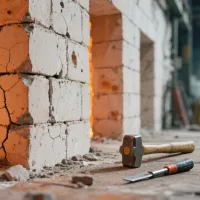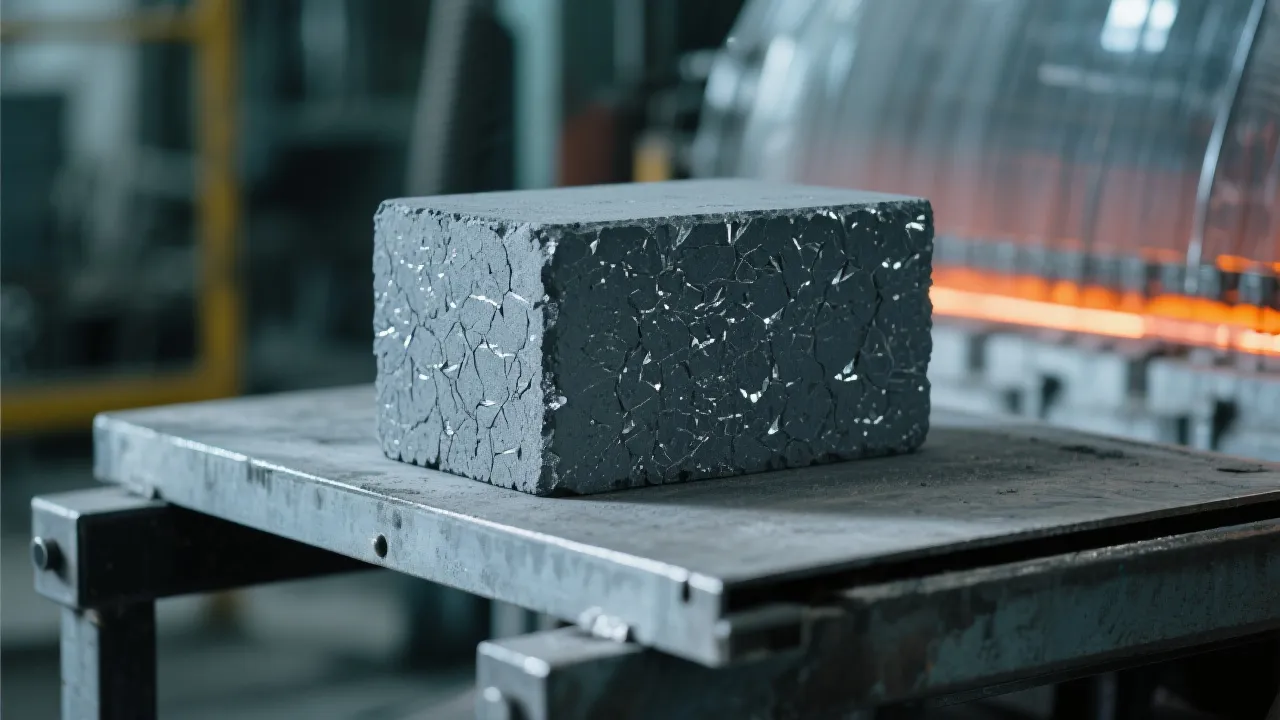
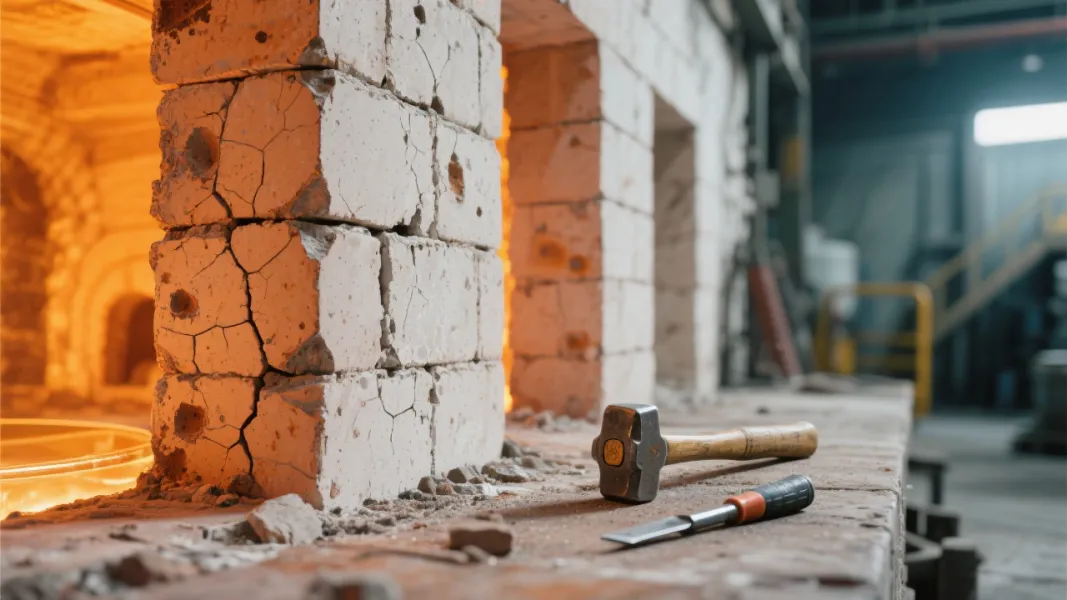
Bottle kilns in glass manufacturing face intense thermal and chemical challenges that often lead to premature refractory failure—especially at the side walls. A recent study analyzing over 40 real-world cases across European and Asian facilities shows that thermal stress cracking accounts for nearly 62% of all side wall failures, followed by mechanical abrasion (23%) and chemical erosion (15%). This makes it critical to adopt both advanced materials and smart structural design.
Many bottle kiln operators still rely on standard fireclay or basic alumina bricks. However, these materials typically have a porosity above 4.5%, compressive strength below 250 MPa, and ZrO₂ content under 30%. These specs make them vulnerable to rapid degradation when exposed to fluctuating temperatures (from 1200°C to 1500°C) and molten glass flow. One engineer from a major German glass producer noted: “We saw cracks forming after just 6 months of continuous operation—our old lining wasn’t designed for thermal shock.”
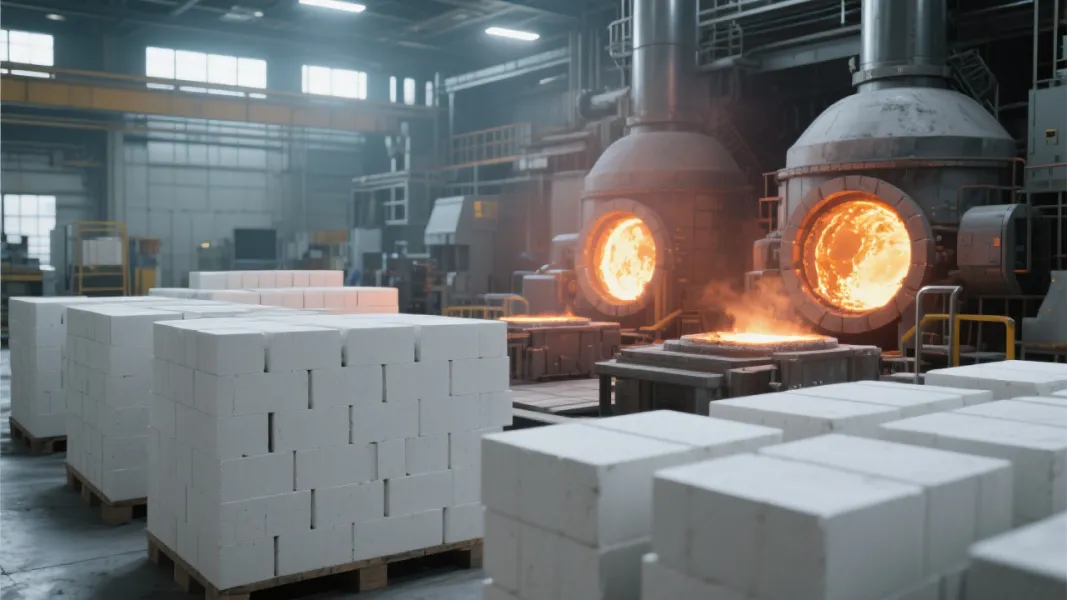
Modern high-performance electric-fused AZS (alumina-zirconia-silica) refractories now offer a proven path forward. Key specifications include:
When combined with optimized brickwork patterns—such as staggered joints and controlled expansion gaps—and an effective insulation layer (e.g., ceramic fiber board with 120mm thickness), downtime due to refractory failure drops by up to 70% according to field trials conducted in Turkey and China.
Top-performing bottle kilns aren’t just about material quality—they’re also about consistent monitoring and maintenance. According to a senior technician in Italy: “Daily visual checks during cooling cycles can catch early signs of micro-cracking before they become catastrophic.” He recommends using infrared thermography every 3 weeks to detect hot spots and adjusting burner settings based on actual temperature profiles—not just theoretical models.
Additionally, implementing a preventive maintenance schedule—including regular inspections of anchor bolts, refractory mortar joints, and insulation integrity—can extend lining life by up to 2 years in many installations.
Ready to upgrade your bottle kiln’s side wall performance? Let our team help you select the right electric-fused AZS solution tailored to your specific process conditions—from material selection to installation planning.
Get Your Customized Refractory Assessment TodayThis article is intended for technical professionals and decision-makers in glass manufacturing. No pricing or commercial claims are made here—only insights derived from industry data, case studies, and expert input.

 361
|
361
|
 electric fused AZS brick
glass furnace refractory lining
AZS brick longevity
energy saving in glass melting
refractory maintenance best practices
electric fused AZS brick
glass furnace refractory lining
AZS brick longevity
energy saving in glass melting
refractory maintenance best practices
 185
|
low sodium electrofused AZS
float glass furnace refractories
refractory material selection guide
Na2O content impact
glass defect reduction
185
|
low sodium electrofused AZS
float glass furnace refractories
refractory material selection guide
Na2O content impact
glass defect reduction
 164
|
electrofused AZS36 refractory brick
cold press strength comparison
high temperature corrosion resistance
glass melting furnace refractories
ISO certified refractory materials
164
|
electrofused AZS36 refractory brick
cold press strength comparison
high temperature corrosion resistance
glass melting furnace refractories
ISO certified refractory materials
 140
|
electro-fused AZS castables
glass furnace refractory materials
high-temperature corrosion resistant materials
furnace sidewall protection
charging channel refractory bricks
140
|
electro-fused AZS castables
glass furnace refractory materials
high-temperature corrosion resistant materials
furnace sidewall protection
charging channel refractory bricks
.jpg?x-oss-process=image/resize,h_600,m_lfit/format,webp) 90
|
AZS crucible brick customization
high-performance refractory materials for glass production
tailored solutions for glass manufacturing
90
|
AZS crucible brick customization
high-performance refractory materials for glass production
tailored solutions for glass manufacturing


.jpg?x-oss-process=image/resize,m_fill,h_200,w_200/format,webp)