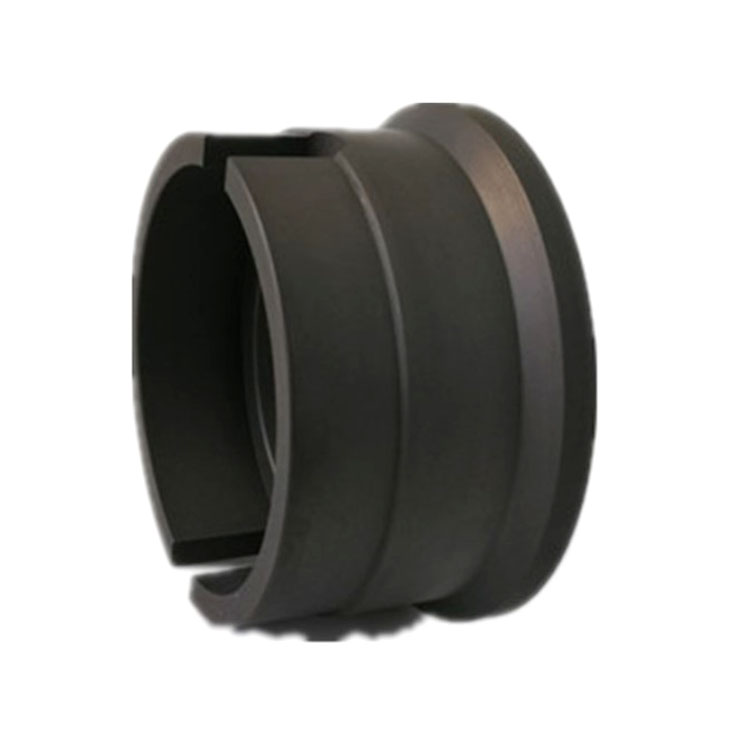
In the demanding environment of high-temperature glass melting furnaces, refractory lining materials play a vital role in ensuring operational stability and longevity. Among them, fused AZS bricks, particularly the TY-AZS36 grade, have emerged as a preferred choice for industry professionals. This article examines the critical performance parameters of TY-AZS36, highlighting its cold crushing strength of ≥300MPa and superior corrosion resistance under extreme thermal conditions, as compared to conventional AZS bricks. We also explore the significance of ISO international certifications supporting its quality assurance and suitability for strategic procurement decisions.
Glass melting furnaces operate at temperatures often exceeding 1500°C, where refractory bricks must endure intense thermal shock, chemical corrosion from molten glass, and mechanical stresses. Conventional AZS bricks sometimes fall short, showing reduced service life due to compromising microstructure and pore connectivity issues. This results in unpredictable maintenance cycles and increased operational costs. The TY-AZS36 grade fused AZS brick addresses these challenges by combining enhanced raw material purity and optimized structural parameters, thus offering procurement specialists and technical managers a robust solution for high-risk environments.
The key to TY-AZS36’s superiority lies in its carefully balanced chemical constituents and physical characteristics. The typical composition includes:
| Component | Content Range (wt%) | Role in Performance |
|---|---|---|
| Aluminum Oxide (Al₂O₃) | 41–43% | Contributes to high refractoriness and mechanical strength |
| Zirconium Oxide (ZrO₂) | 53–55% | Enhances corrosion resistance and thermal stability |
| Silicon Dioxide (SiO₂) | 3–5% | Improves raw material fusion and minimizes porosity |
| Apparent Porosity | ≤13% | Lower porosity reduces corrosion pathways |
| Bulk Density | 3.60–3.65 g/cm³ | Higher density correlates with mechanical robustness |
These parameters jointly contribute to the notably high cold crushing strength of ≥300MPa for TY-AZS36, substantially exceeding typical conventional AZS bricks, which commonly range between 150-220MPa. This improvement significantly enhances mechanical load tolerance and resistance to fracture under operational stress.
The TY-AZS36 fused AZS bricks conform to ISO 9001 quality management standards, which ensures rigorous control over raw materials, manufacturing processes, and final product testing. This certification provides procurement professionals with confidence in repeatability, traceability, and adherence to global benchmarks, a crucial factor for multinational glass manufacturers demanding consistent refractory performance across plants.
“ISO 9001 certification ensures that product specifications are maintained through a controlled system, reducing variability and enhancing reliability essential for industrial furnace applications.”
Performance testing under simulated glass furnace conditions reveals clear differentiation:
| Performance Metric | Fused AZS36 (TY-AZS36) | Conventional AZS Brick |
|---|---|---|
| Cold Crushing Strength (MPa) | ≥300 | 150–220 |
| High-Temperature Corrosion Rate (mm/24h) | ≤1.3 | 1.8–2.3 |
| Apparent Porosity (%) | ≤13 | 15–18 |
| Thermal Shock Resistance | Excellent (≥25 cycles to failure) | Moderate (15–20 cycles) |
The improved corrosion resistance minimizes material degradation caused by molten glass and aggressive furnace atmospheres, thereby extending service intervals and reducing unscheduled downtime risks that directly impact operational profitability.
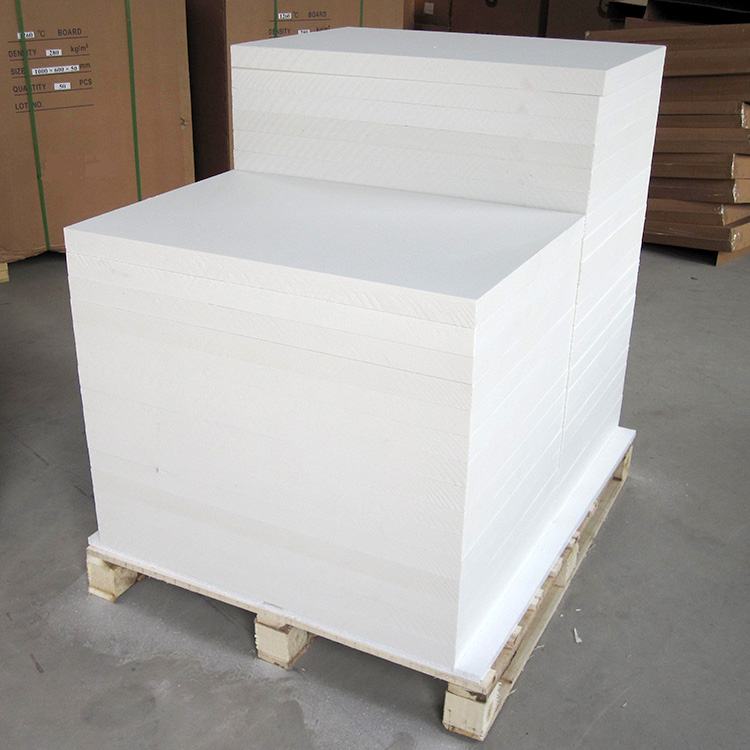
For procurement managers and technical engineers, integrating TY-AZS36 fused AZS bricks into project specifications involves evaluating:
Proactive engagement with refractory material experts is recommended to tailor solutions aligned with unique operational conditions, maximizing durability while safeguarding production consistency.
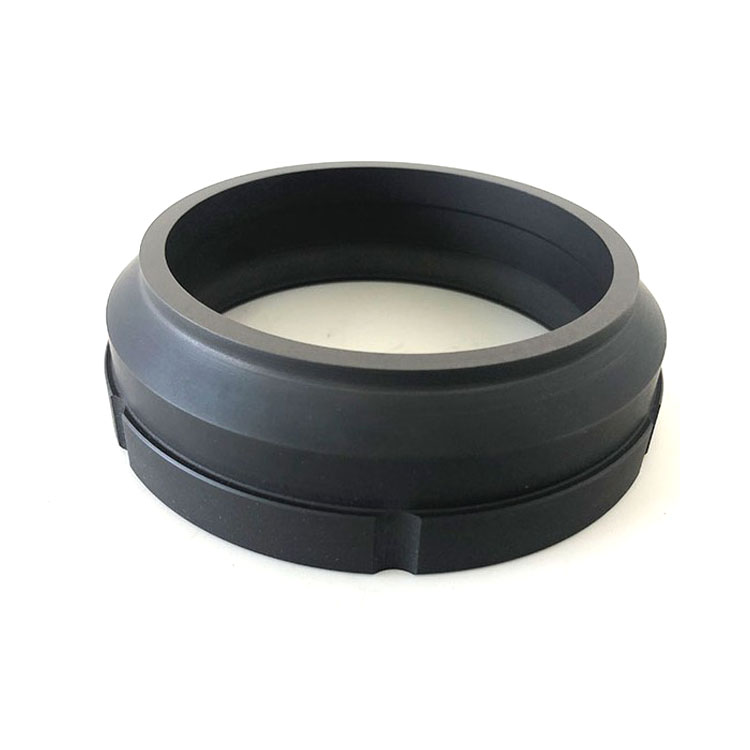
The selection of refractory bricks with verified cold crushing strength of ≥300MPa offers a decisive advantage when optimizing the thermal stability and mechanical durability of glass melting furnace linings. Leveraging detailed scientific data combined with internationally recognized certification metrics empowers industrial stakeholders to mitigate operational risks and invest confidently in high-performance refractory solutions.