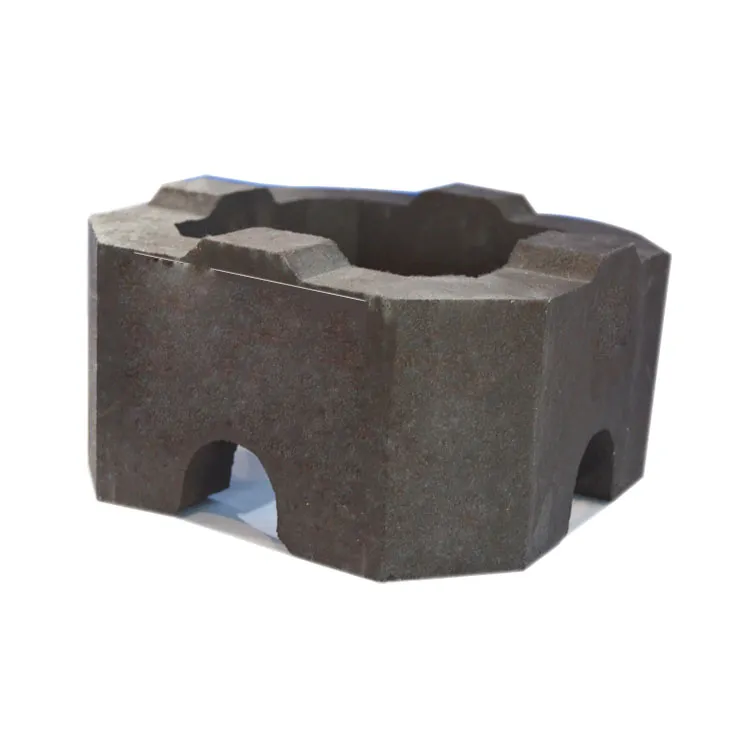
Glass melting furnaces operate under extreme conditions where refractory lining materials face severe thermal and chemical stresses. Among these materials, Electro-fused AZS (Alumina-Zirconia-Silica) bricks like the TY-AZS36 variant have emerged as industry benchmarks for durability and performance. This article delves into the intrinsic properties of TY-AZS36 bricks and offers a practical guide on routine inspection and maintenance techniques to optimize operational stability and cost-efficiency.
The exceptional performance of TY-AZS36 electro-fused bricks primarily derives from their elevated content of alumina (Al₂O₃) and zirconia (ZrO₂), typically exceeding 38% and 18% respectively. This composition fosters an intricate microstructure that significantly enhances corrosion resistance against molten glass and aggressive chemical vapors inside the furnace. Furthermore, the typical bulk density of these bricks approaches 3.25 g/cm³, while apparent porosity remains below 16%, underscoring their dense and low-porosity architecture — a critical factor mitigating infiltration and thermal spalling.
| Property | Value | Benefit |
|---|---|---|
| Al₂O₃ Content | ≥ 38% | Enhanced chemical resistance |
| ZrO₂ Content | ≥ 18% | Superior thermal shock resistance |
| Bulk Density | ~3.25 g/cm³ | High structural integrity |
| Apparent Porosity | ≤ 16% | Reduced penetration risks |
Despite the robustness of electro-fused AZS bricks, glass furnaces face persistent challenges during long-term operation. Typical issues include:
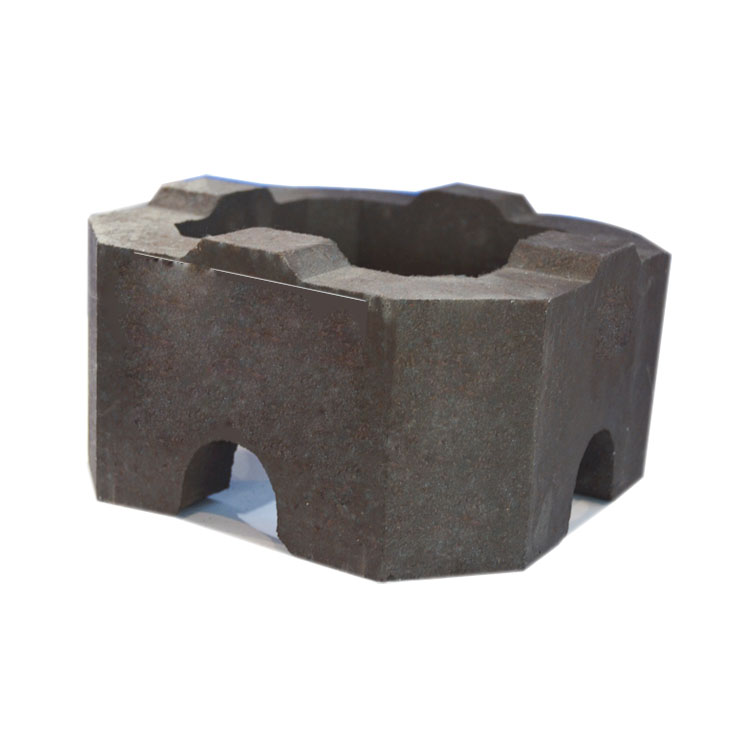
To maximize the service life of TY-AZS36 linings, operators should integrate the following approaches into their maintenance cycles:
In practice, numerous glass manufacturers adopting the TY-AZS36 bricks have reported a 25-30% extension in lining lifespan compared to conventional AZS materials. This improvement reduces downtime, maintenance labor, and refractory replacement costs substantially, translating directly into enhanced production uptime and lower operational expenditure.
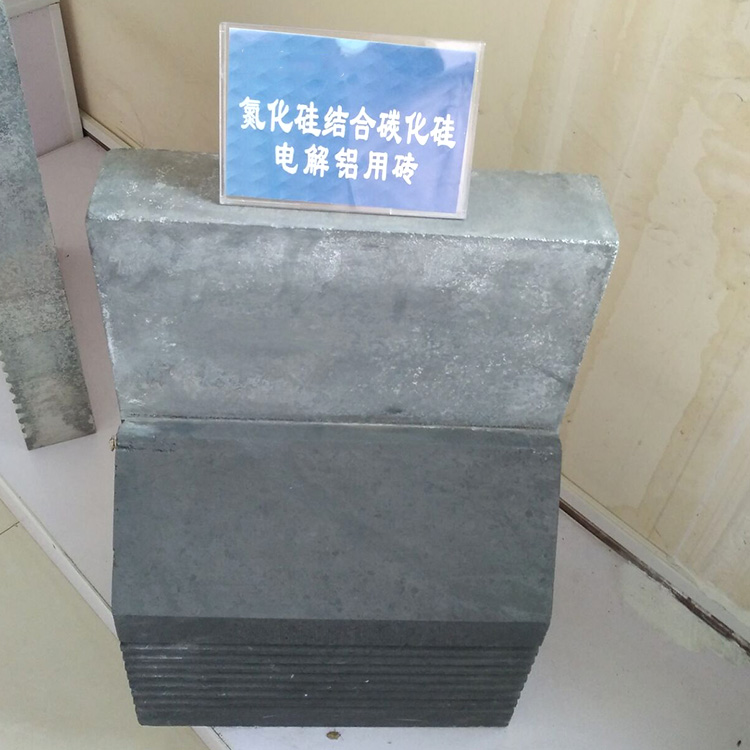
To equip technical teams at all levels, training should emphasize the interpretation of inspection data and safe handling procedures. Implementing standardized checklists and digital tracking can further enhance diagnostic accuracy and streamline decision-making processes.
“Precise maintenance guided by material science insights catalyzes operational efficiency — a commitment worth embedding across all glass melting operations.”
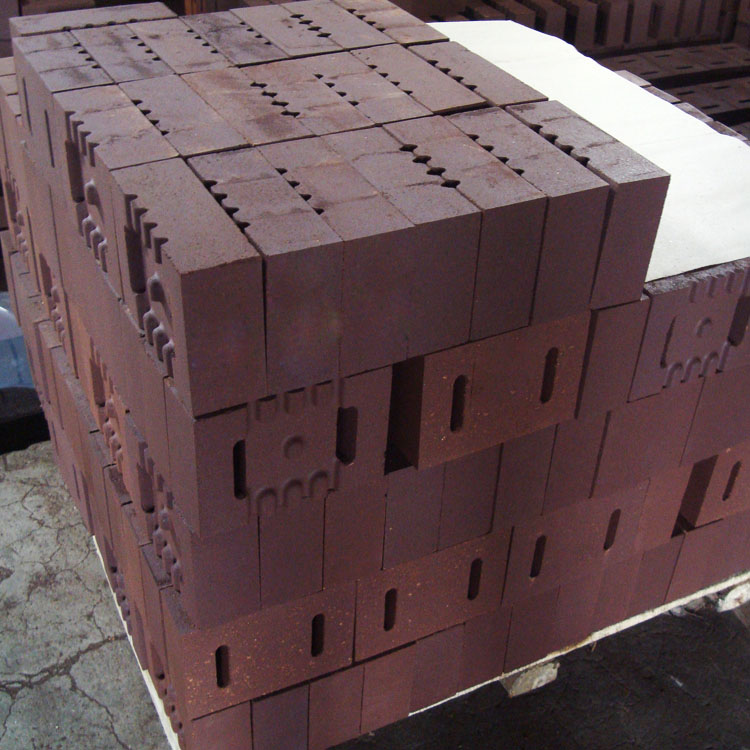
Explore how the advanced chemistry and proven durability of TY-AZS36 bricks can revolutionize your glass furnace’s reliability and maintenance efficiency. Unlock detailed technical specifications and tailored application strategies to boost your furnace's stable operation today.
We invite engineers and maintenance experts to share unique insights or questions below — your experience enriches this knowledge network.