In the glass manufacturing industry, the upper structure and key parts of glass melting furnaces often experience frequent failures. This has long troubled technical procurement decision - makers. Why do traditional refractory materials fall short in these demanding environments? The answer lies in the significant advantages of AZS33# fused blocks over traditional refractory bricks.
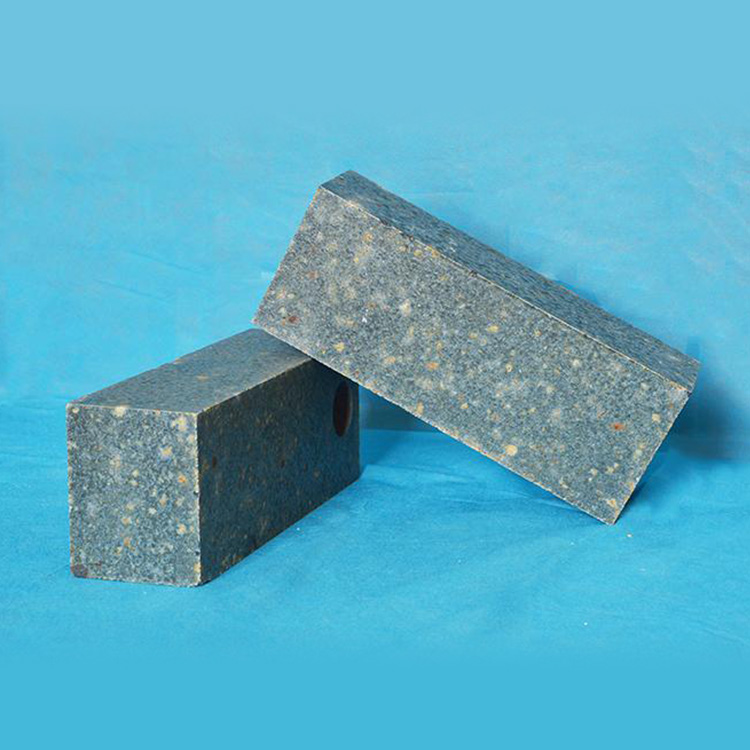
AZS33# fused blocks are made through a scientific proportioning of high - purity alumina and zirconia. The electric melting process is at the heart of its production. Different from the production of traditional refractory bricks like mullite bricks and high - alumina bricks, the electric melting process of AZS33# blocks creates a dense microstructure. This unique process ensures that the block has a high - density internal structure and excellent high - temperature chemical stability.
Laboratory test data shows that the density of AZS33# fused blocks can reach up to 3.8 g/cm³, while the density of traditional mullite bricks is only about 2.8 g/cm³. This high density is the key to its excellent performance.

The microscopic structure of AZS33# blocks is characterized by a uniform and dense arrangement of crystals. This structure gives it outstanding thermal shock stability. In high - temperature environments, traditional refractory bricks often crack or spall due to thermal stress, while AZS33# blocks can withstand repeated thermal cycling without significant damage.
In terms of corrosion resistance, the high - purity alumina and zirconia in AZS33# blocks form a stable chemical bond, which can effectively resist the erosion of molten glass and other corrosive substances. In contrast, traditional refractory bricks are more prone to chemical reactions with molten glass, resulting in a shorter service life.
In glass melting furnaces, different parts have different requirements for refractory materials. For example, in the charging channel, the material is constantly scoured by high - temperature glass raw materials. AZS33# blocks have a much lower erosion rate compared to traditional refractory bricks. The erosion rate of AZS33# blocks in the charging channel is only about 1/3 of that of traditional mullite bricks, which means a significantly longer service life.
At the bottom of the tank and the top of the hopper, AZS33# blocks also show excellent performance. Their low linear change rate ensures the dimensional stability of the furnace structure. The linear change rate of AZS33# blocks after long - term use is less than 0.5%, while that of traditional high - alumina bricks can reach up to 2%.
| Performance Index | AZS33# Blocks | Traditional Refractory Bricks |
|---|---|---|
| Corrosion Resistance | High (erosion rate 1/3 of traditional bricks) | Low |
| Linear Change Rate | Less than 0.5% | Up to 2% |
| Service Life | 3 - 5 years | 1 - 2 years |
Upgrading to AZS33# fused blocks is not just about replacing a product. It is a crucial step in reducing the cost of furnace shutdowns and improving the reliability of furnace operation. The longer service life of AZS33# blocks means fewer furnace shutdowns for maintenance and replacement, which can save a significant amount of time and cost for glass manufacturers.
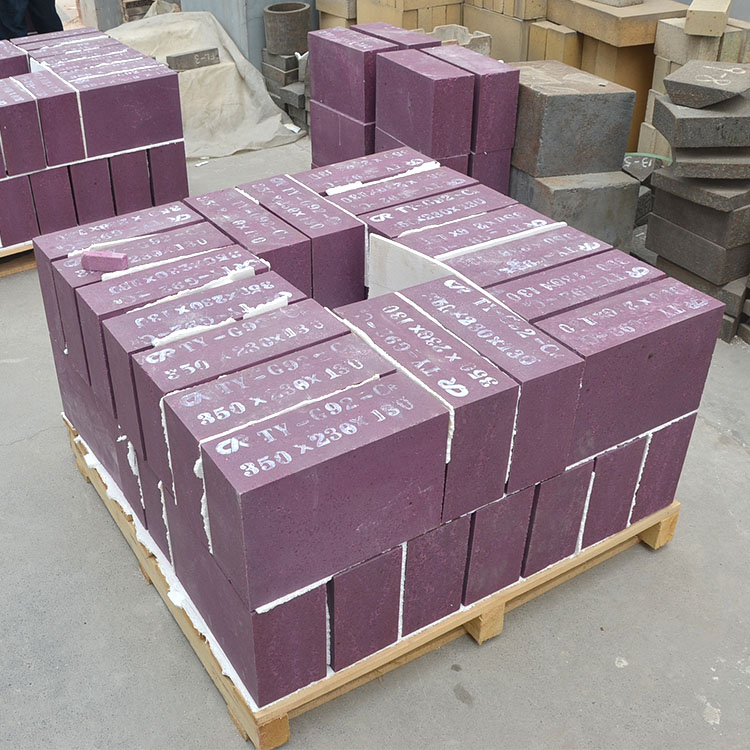
In conclusion, AZS33# fused blocks offer a comprehensive solution for glass melting furnaces. Their excellent performance in various aspects makes them an irreplaceable choice for key parts of glass melting furnaces. Are you ready to take the step of material upgrade to reduce your glass melting furnace's operating costs and improve reliability? Click here to learn more about AZS33# fused blocks and start your material upgrade journey.