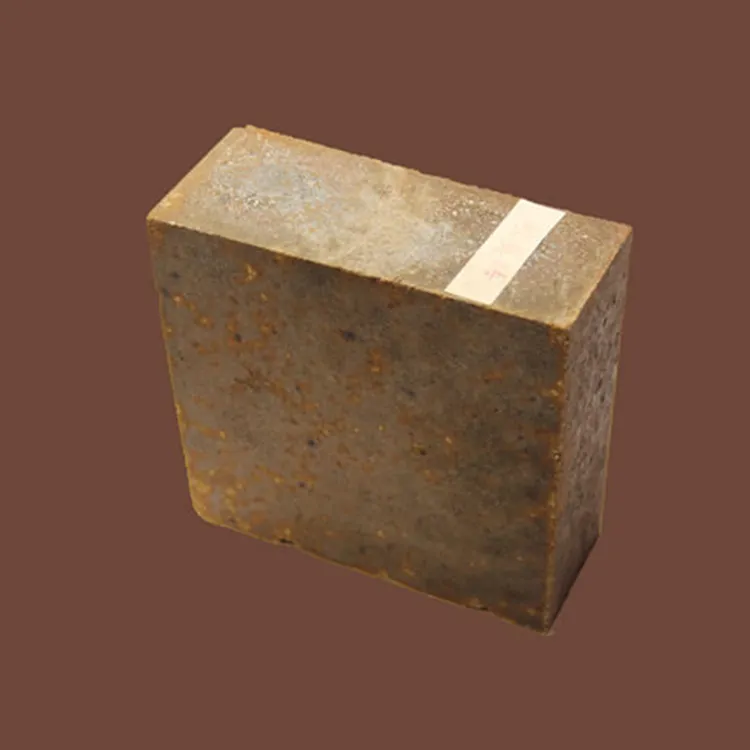
Glass melting furnaces encounter a multitude of operational challenges, with the durability and stability of refractory materials being a critical pain point. In the face of high - temperature, corrosive environments, and rapid temperature fluctuations, the demand for high - performance refractory materials is more urgent than ever. This article delves into the outstanding performance of fused AZS33# blocks in glass melting furnaces, comparing them with traditional refractory materials such as mullite high - alumina bricks.
The AZS33# block is formulated based on an Al₂O₃ - ZrO₂ - SiO₂ ratio. Through a precise electro - melting process, it forms a dense microstructure. The raw material ratio of AZS33# blocks is carefully designed. Generally, the Al₂O₃ content is around 33%, which provides high - temperature strength. ZrO₂, accounting for a certain proportion, enhances the corrosion resistance and thermal shock stability. The electro - melting process ensures that the atoms in the material are arranged in a more orderly manner, resulting in a dense structure. This structure significantly improves the high - temperature stability of the material. According to industry standards, the linear change rate of AZS33# blocks at high temperatures is less than 0.5%, which is far superior to many traditional refractory materials.
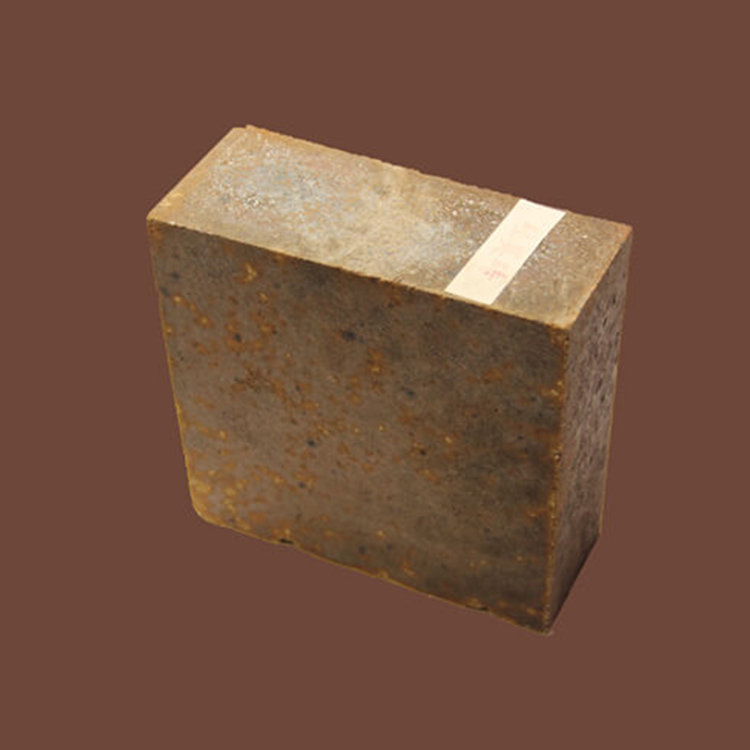
Corrosion is one of the most common problems in glass melting furnaces. The dense structure of AZS33# blocks effectively resists the erosion of molten glass and various corrosive substances. In laboratory tests, the corrosion rate of AZS33# blocks in contact with molten glass is only about 1 - 2 mm/year. In contrast, the corrosion rate of mullite high - alumina bricks can reach 3 - 5 mm/year. This shows that AZS33# blocks have much better corrosion resistance.
Thermal shock stability refers to the ability of a material to withstand rapid temperature changes without cracking or spalling. The thermal shock stability of AZS33# blocks is excellent. It can withstand temperature differences of up to 1000°C without significant damage. The anti - folding strength after multiple thermal shock cycles remains above 80% of the original value. For mullite high - alumina bricks, they can only withstand temperature differences of about 600 - 700°C, and the anti - folding strength after thermal shock cycles drops to about 60% of the original value.
| Material | Corrosion Rate (mm/year) | Thermal Shock Resistance (°C) | Anti - folding Strength Retention after Thermal Shock |
|---|---|---|---|
| AZS33# Block | 1 - 2 | 1000 | Above 80% |
| Mullite High - Alumina Brick | 3 - 5 | 600 - 700 | About 60% |
In key areas of glass melting furnaces such as the charging channel, the tank bottom, and the top of the hopper, AZS33# blocks show unique advantages. In the charging channel, the high corrosion resistance of AZS33# blocks ensures that it is not easily corroded by the flowing molten glass and raw materials. At the tank bottom, its high - temperature stability and thermal shock resistance prevent cracking and damage, which is crucial for the long - term operation of the furnace. At the top of the hopper, the dense structure effectively resists the erosion of dust and corrosive gases, reducing maintenance costs and improving the reliability of the furnace operation.
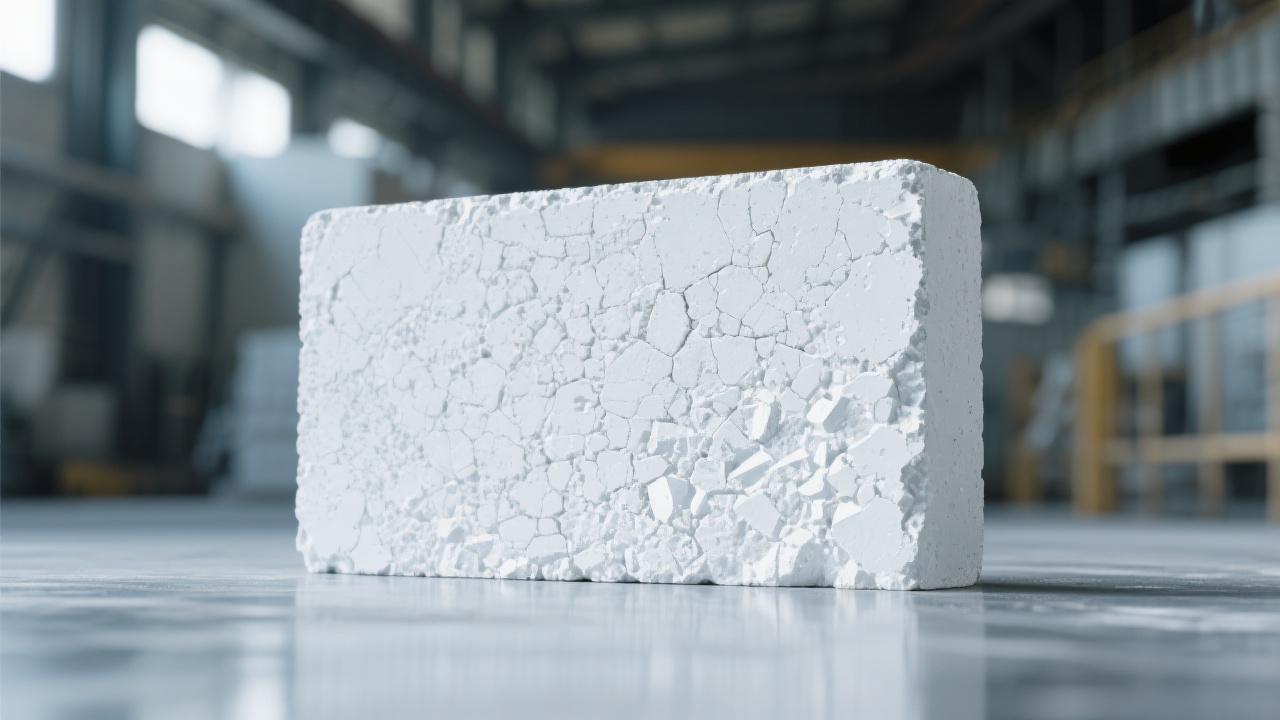
The application of AZS33# blocks in glass melting furnaces can significantly improve the reliability of furnace operation. Its long service life reduces the frequency of furnace repairs and replacements, thereby reducing maintenance costs. For glass manufacturers, this means lower production costs and higher production efficiency. The performance advantages of AZS33# blocks are also recognized by many industry experts. They believe that AZS33# blocks are the future development direction of glass melting furnace refractory materials.
We encourage you to share your thoughts and experiences on refractory materials in glass melting furnaces. Do you have any questions about the performance or application of AZS33# blocks? Leave your comments below, and let's discuss together!
If you want to learn more about the excellent performance and application value of AZS33# blocks, click here.