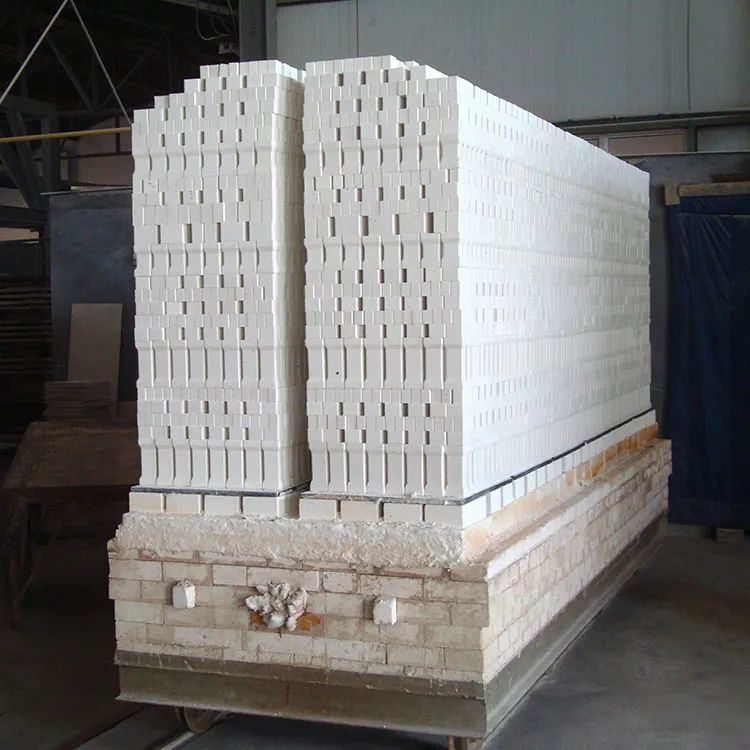
In the high - temperature zone of glass furnaces, refractory materials often face severe challenges. According to industry research, nearly 70% of glass furnace shutdowns are related to refractory material failures. The main pain points include corrosion caused by molten glass and chemicals, thermal shock due to rapid temperature changes, and mechanical wear. Traditional refractory materials, such as mullite bricks, often struggle to meet the long - term performance requirements in such harsh environments. They may experience significant erosion within 2 - 3 years of use, leading to increased maintenance costs and production interruptions.
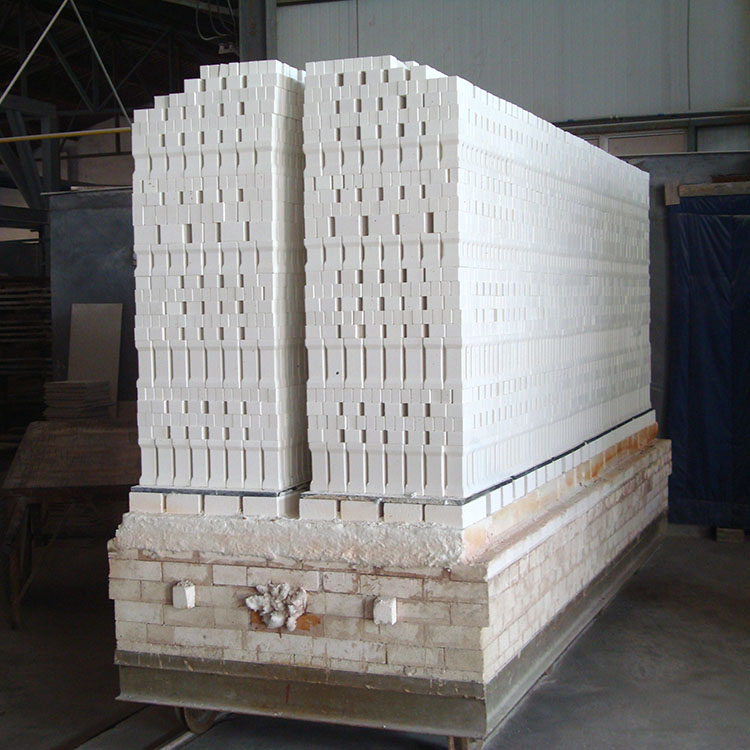
The electrofused AZS33# block is prepared through a precise electrofusion process. Its raw material ratio is carefully designed, typically containing 33% ZrO₂, along with Al₂O₃ and SiO₂. This unique ratio is crucial for its excellent performance. The electrofusion process involves melting the raw materials at extremely high temperatures (around 2000 - 2200°C) in an electric arc furnace. This high - temperature melting ensures a homogeneous structure, eliminating many of the internal defects found in traditional refractory materials.
The microstructure of the electrofused AZS33# block plays a vital role in its high - temperature chemical stability. Under a microscope, its dense and uniform structure can be observed. The ZrO₂ crystals are evenly distributed in the matrix, which can effectively resist the penetration and corrosion of molten glass. According to laboratory tests, the corrosion rate of the electrofused AZS33# block in contact with molten glass at 1500°C is only about 1/3 of that of traditional mullite bricks.
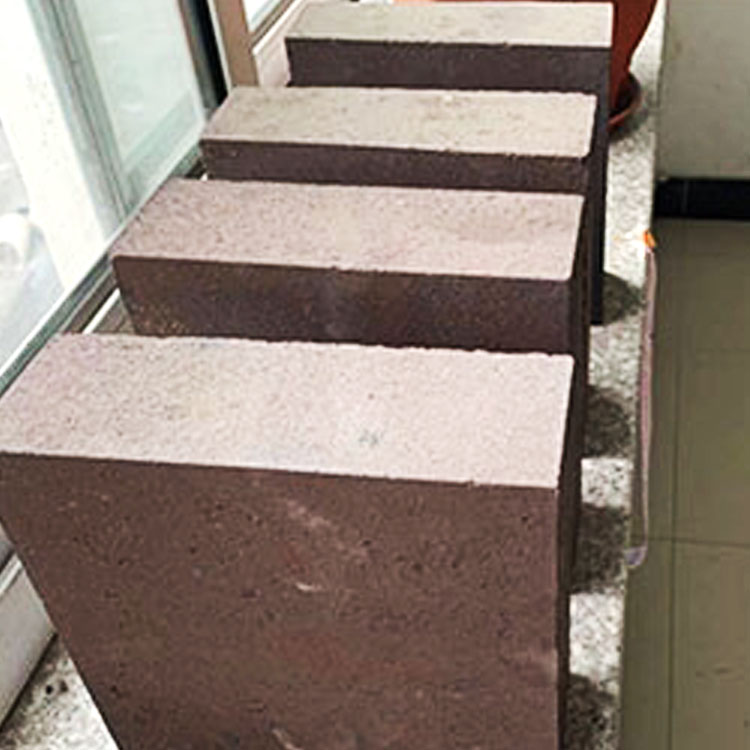
In the feeding channel, the electrofused AZS33# block shows excellent resistance to abrasion and corrosion. The high - speed flow of raw materials can cause severe wear on traditional refractory materials. However, the electrofused AZS33# block can withstand such harsh conditions. It can extend the service life of the feeding channel from about 1 - 2 years with traditional materials to more than 5 years.
At the trough bottom, where it is in direct contact with molten glass, the electrofused AZS33# block's corrosion resistance is crucial. Its dense structure prevents the molten glass from penetrating and eroding the material. This not only reduces the risk of leakage but also maintains the stability of the furnace operation. Compared with mullite bricks, the electrofused AZS33# block can reduce the maintenance frequency of the trough bottom by up to 60%.
The hopper top is subject to both thermal shock and corrosion. The electrofused AZS33# block's high thermal shock resistance and corrosion resistance make it an ideal choice. It can maintain its integrity even under rapid temperature changes, ensuring the continuous and stable operation of the feeding system.
| Performance Indicators | Electrofused AZS33# Block | Mullite Bricks |
|---|---|---|
| Corrosion Resistance | High (corrosion rate at 1500°C: about 1/3 of mullite bricks) | Low |
| Thermal Shock Resistance | Excellent (can withstand rapid temperature changes) | Fair |
| Service Life | More than 5 years in key parts | 2 - 3 years |
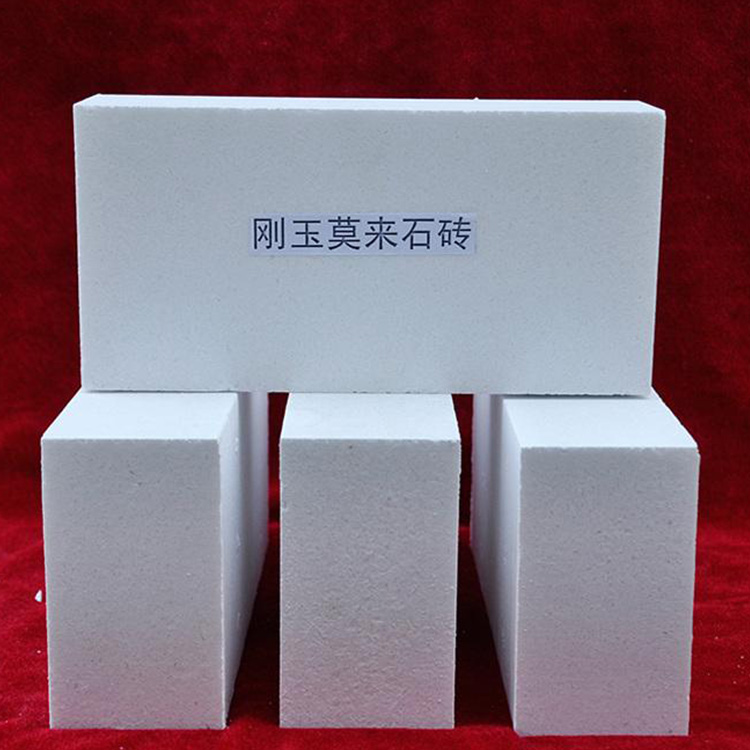
Based on industry standards and numerous experimental data, the electrofused AZS33# block clearly outperforms mullite bricks and other traditional refractory materials in terms of corrosion resistance, thermal shock stability, and service life.
Are you still struggling with the selection of refractory materials for your glass furnace? The electrofused AZS33# block offers a reliable and cost - effective solution. Click here to learn more about its performance and application cases, and contact our technical experts for in - depth consultation!
What are the most challenging refractory problems you have encountered in your glass furnace operation? Share your experiences in the comments below!