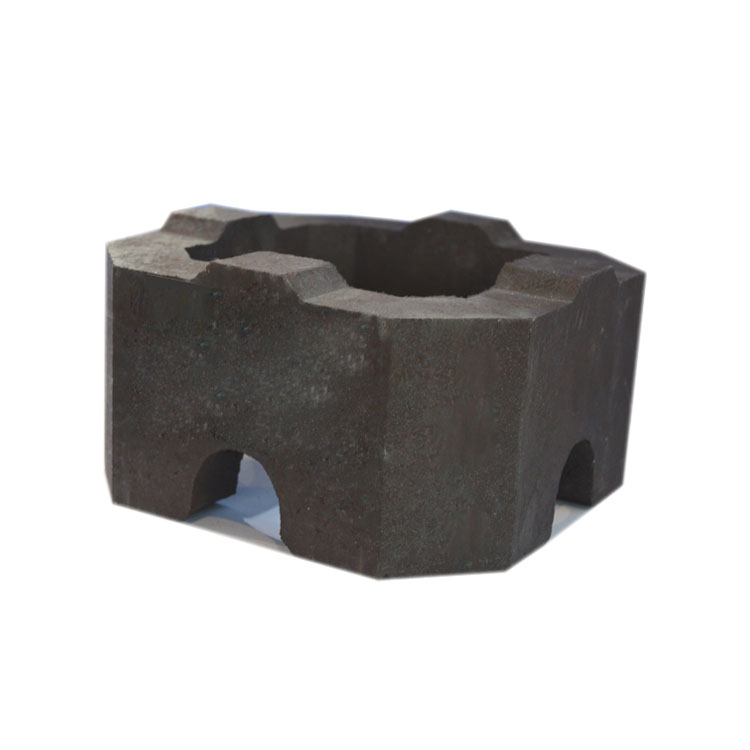
Frequent failure of glass furnace side walls has long posed serious operational challenges across the glass manufacturing industry. Premature wear, chemical corrosion, and mechanical stresses contribute to costly downtime and increased maintenance cycles. In this technical examination, we delve into how the Fusible AZS36 Refractory Brick (TY-AZS36) emerges as a trusted solution through its superior material composition and physical characteristics tailored to withstand harsh glass melting environments.
The effectiveness of TY-AZS36 is grounded in its carefully engineered chemical composition, where the alumina content (Al₂O₃) ≥ 49% and zirconia (ZrO₂) ≥ 35.5% play pivotal roles. This blend optimizes crystallization and corrosion resistance against aggressive molten glass and slag infiltration. Complementing this, a high volume density of ≥ 3.85 g/cm³ and an impressively low apparent porosity of ≤ 1% confer excellent mechanical integrity and minimal pathways for corrosive agents.
Adherence to ISO standards fortifies the reliability of Fusible AZS36 bricks in industrial applications. This certification guarantees stringent manufacturing controls and consistent batch-to-batch material performance, crucial for technical managers prioritizing risk mitigation. ISO compliance also supports traceability and enhances supplier credibility in global supply chains.
| Property | Fusible AZS36 (TY-AZS36) | Standard AZS Brick | Industry Benchmark |
|---|---|---|---|
| Cold Crushing Strength | ≥ 300 MPa | 180 - 220 MPa | ≥ 250 MPa |
| High-Temperature Corrosion Rate | ≤ 1.3 mm / 24h | 2.0 - 3.5 mm / 24h | ≤ 1.5 mm / 24h |
TY-AZS36 consistently exceeds typical performance ranges, reflected in its cold crushing strength beyond 300 MPa and superior resistance to high-temperature corrosion (≤ 1.3 mm loss every 24 hours). This mechanical robustness mitigates brick spalling and mechanical degradation during thermal cycling, directly translating to extended furnace lining lifespan.
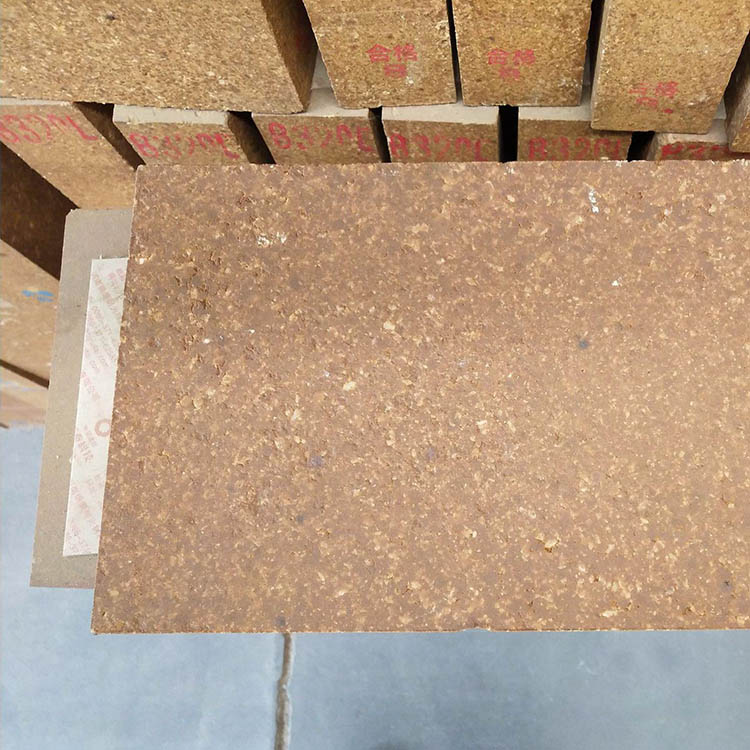
Beyond laboratory metrics, TY-AZS36’s low porosity and optimal chemical makeup significantly reduce gas bubble formation in molten glass, preserving product quality. In operational furnace environments, users report notably fewer interruptions due to refractory failures, confirming its role as a key enabler in boosting overall kiln efficiency.
By maintaining structural integrity under corrosive and thermal stress, this brick supports uninterrupted high-temperature cycles, offering glass producers a dependable material choice that reduces unplanned downtime and maintenance costs—a compelling proposition for procurement and technical teams balancing performance with lifecycle cost.
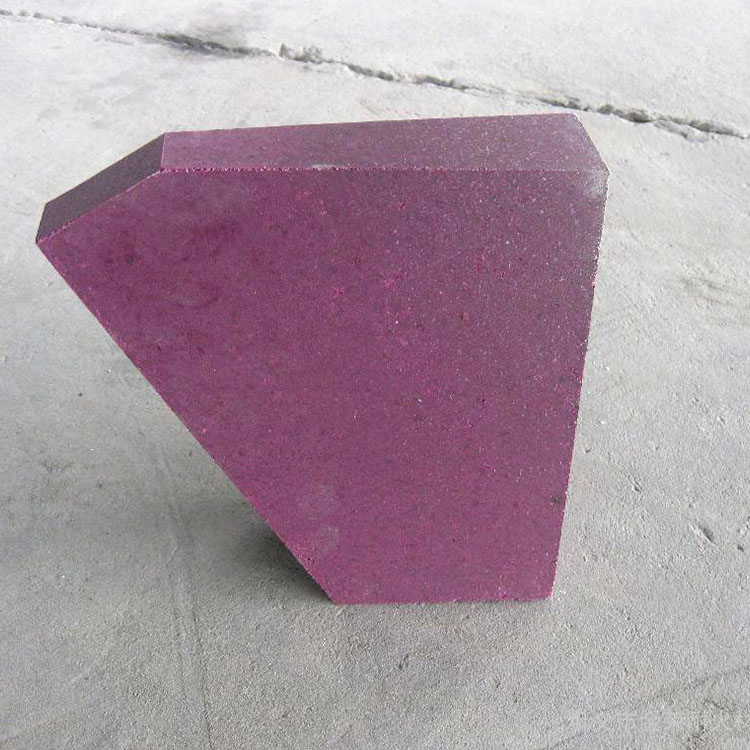
For decision-makers, uniform product quality backed by international standards and quantifiable physical metrics are critical. The Fusible AZS36 brick offers a solution that diminishes risk through proven performance, supported by documented lab and field testing. Leveraging such data reduces uncertainties inherent in refractory material selection amid evolving demands in glass production.
Partnering with suppliers providing comprehensive technical handbooks and dedicated expert consultation further enhances confidence and optimizes application outcomes, positioning the TY-AZS36 brick as a reliable technical choice poised to advance glass furnace durability.