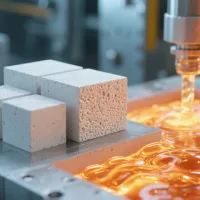
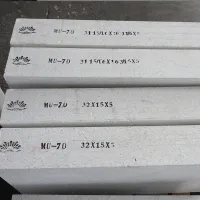
In the demanding environment of glass manufacturing, especially in bottle kilns, side wall refractory linings face extreme thermal cycling, chemical attack, and mechanical wear. According to a 2023 industry report by the International Refractories Association (IRA), over 68% of unplanned furnace shutdowns are linked to premature refractory failure—most commonly in the sidewall area where molten glass interacts directly with the lining.
The primary degradation mechanisms include:
Our electric-fused AZS product, TY-AZS36D, is engineered for this exact challenge. With a minimum ZrO₂ content of 36%, it delivers superior resistance to alkali vapor and molten glass penetration. Field data from a major European bottle manufacturer shows:
| Parameter | TY-AZS36D | Standard AZS |
|---|---|---|
| ZrO₂ Content (%) | ≥36% | ≤30% |
| Average Porosity (%) | ≤10% | 12–15% |
| Compressive Strength (MPa) | ≥120 MPa | 80–100 MPa |
These specs translate into real-world benefits: an average service life increase of 30–45% compared to conventional materials, as validated by independent testing labs like SGS and Intertek.
Even the best refractory fails without proper installation. Key recommendations from our field engineers:
One client in Egypt reported a 22% reduction in downtime after adopting these practices—proof that smart design + expert execution = long-term reliability.
If you're looking to reduce maintenance costs, extend refractory life, and improve production continuity—TY-AZS36D could be your next strategic upgrade.
Get Technical Specifications & Case Studies
 406
|
406
|
 Electric-Fused AZS Brick
Glass Melting Furnace Refractory Materials
High-Temperature Performance AZS36
Electric-Fused AZS Brick
Glass Melting Furnace Refractory Materials
High-Temperature Performance AZS36
 51
|
AZS Cross Tile
Fused Cast AZS Block
AZS Brick for Glass Furnace
AZS Block High Temperature Resistance
AZS Material for Thermal Chamber
AZS Corrosion Resistant Brick
Fused Cast AZS Durable Tile
Glass Kiln AZS Refractory
High Purity AZS Material
51
|
AZS Cross Tile
Fused Cast AZS Block
AZS Brick for Glass Furnace
AZS Block High Temperature Resistance
AZS Material for Thermal Chamber
AZS Corrosion Resistant Brick
Fused Cast AZS Durable Tile
Glass Kiln AZS Refractory
High Purity AZS Material
.jpg?x-oss-process=image/resize,h_600,m_lfit/format,webp) 490
|
AZS rotary tubes
refractory materials for glass industry
ISO-certified high-performance refractories
490
|
AZS rotary tubes
refractory materials for glass industry
ISO-certified high-performance refractories
.jpg?x-oss-process=image/resize,h_600,m_lfit/format,webp) 262
|
ISO-certified electrofused AZS brick TY-AZS36
high-temperature industrial kiln lining upgrade
AZS brick performance advantages
262
|
ISO-certified electrofused AZS brick TY-AZS36
high-temperature industrial kiln lining upgrade
AZS brick performance advantages
.jpg?x-oss-process=image/resize,h_600,m_lfit/format,webp) 43
|
AZS cast block
electrofused AZS 33# block
glass furnace stability
43
|
AZS cast block
electrofused AZS 33# block
glass furnace stability


.jpg?x-oss-process=image/resize,m_fill,h_200,w_200/format,webp)