In the glass - making industry, the glass contact area of kilns often faces a series of challenges. For example, crystallization and rapid erosion are common issues that can significantly affect the quality of glass production and the service life of kilns. Crystallization can lead to uneven glass thickness and surface defects, while rapid erosion may cause the kiln to need more frequent repairs or replacements. These problems not only increase production costs but also reduce production efficiency. So, how to solve these problems has become a top priority for glass industry engineers, procurement decision - makers, and kiln maintenance personnel.
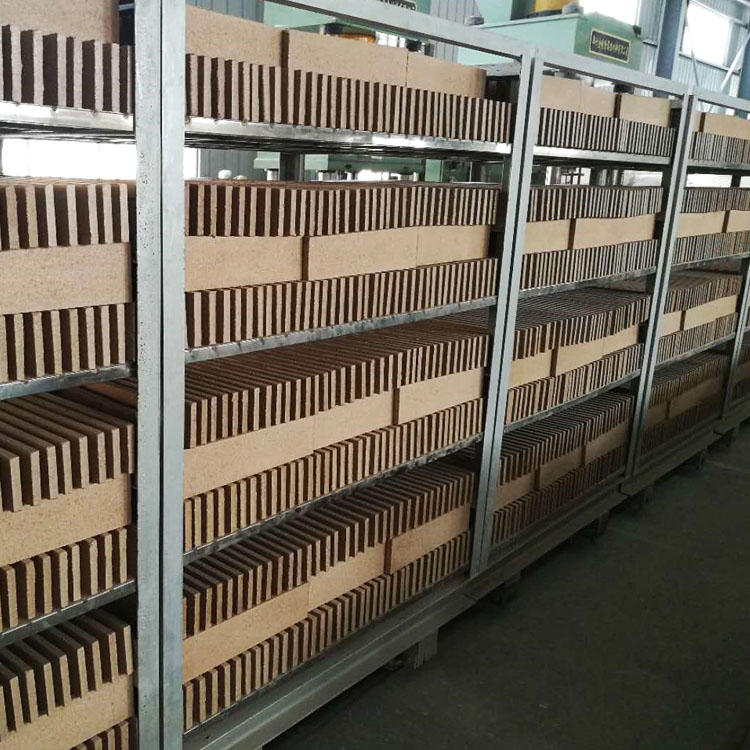
The production of high - quality electro - fused AZS refractory bricks starts with careful raw material screening. Only high - purity raw materials can lay a solid foundation for the final product's performance. For example, the content of key elements such as aluminum oxide, zirconia, and silica needs to meet strict standards. Usually, the aluminum oxide content should be above 95%, and the zirconia content should be around 30% - 40% for some types of AZS refractory bricks, which can ensure the high - temperature resistance and corrosion - resistance of the products.
After raw material screening, precise proportioning is crucial. Different proportions of raw materials can affect the physical and chemical properties of electro - fused AZS refractory bricks. Through 30 years of practical experience, experts have developed the optimal proportioning formulas for different application scenarios. For instance, in some glass kilns, a specific proportion of additives can adjust the crystallization speed and the melting point of the refractory bricks to better adapt to the working environment of the kiln.
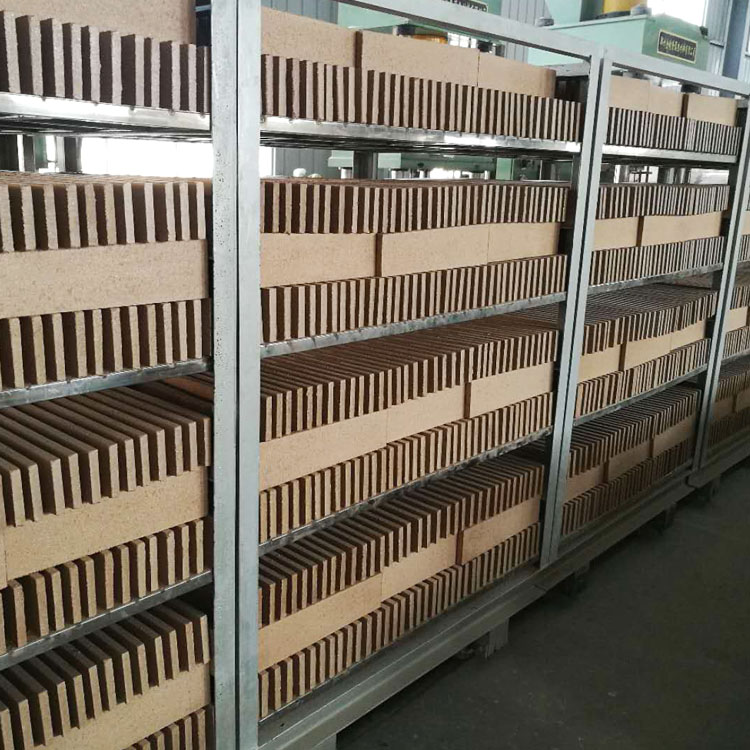
The electric furnace melting process is the core step in the production of electro - fused AZS refractory bricks. Inside the electric furnace, raw materials are heated to extremely high temperatures, generally above 2000°C, until they are completely melted into a liquid state. This high - temperature melting process can eliminate internal defects in the raw materials and make the chemical composition of the refractory bricks more uniform. During this process, strict temperature control is required to ensure the quality of the molten liquid.
Once the raw materials are melted into a liquid state, they need to be poured into specific molds promptly. The pouring speed and the way of pouring can affect the internal structure of the refractory bricks. For example, a too - fast pouring speed may cause air bubbles to be trapped inside the bricks, thereby reducing their density and strength. Therefore, operators need to have rich experience and skills to ensure a smooth pouring process.
After pouring, the cooling process of the refractory bricks is also very important. A reasonable cooling system can prevent the formation of internal stress in the bricks, thereby improving their crack resistance. Generally, the cooling rate is gradually reduced during the cooling process, and the cooling time may take several days to ensure that the refractory bricks reach a stable state.
In the production of electro - fused AZS refractory bricks, the oxidation process plays a crucial role in optimizing alkali metal oxides such as Na₂O and K₂O. Through the oxidation process, the content of Na₂O can be effectively reduced, improving the stability of the glass phase. The glass phase is an important part of electro - fused AZS refractory bricks, and its stability is directly related to the anti - corrosion and anti - crystallization abilities of the bricks. When the content of Na₂O is reduced, the glass phase precipitation temperature can be increased to above 1400°C, which can significantly enhance the performance of the refractory bricks in high - temperature environments.
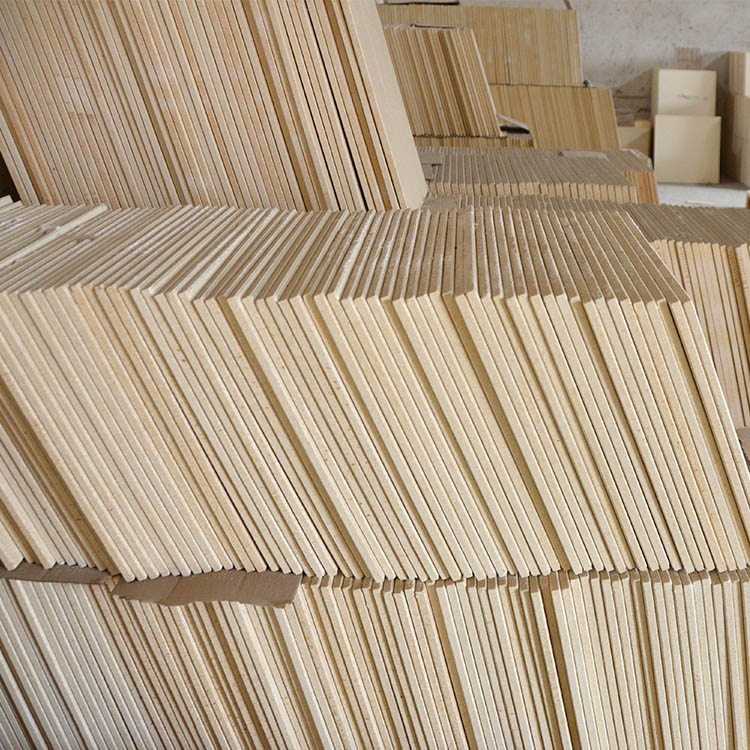
Based on 30 years of practical experience, experts have summarized a series of response strategies to key influencing factors in kiln operation. For example, when temperature fluctuations occur in the kiln, it is necessary to adjust the input power of the electric furnace in time to ensure the stability of the fire brick temperature. In the face of changes in the kiln atmosphere, proper ventilation and gas - flow control measures need to be taken to maintain the best working environment for the refractory bricks.
TY - AZS36D has demonstrated excellent long - term service performance and reliability in typical scenarios such as float glass kilns and bottle kiln sidewalls. In long - term actual use, TY - AZS36D can effectively resist the erosion of high - temperature glass liquid and reduce the occurrence of crystallization, thereby greatly extending the service life of the kiln and improving the quality of glass production.
To learn more about application cases and process details of electro - fused AZS refractory bricks, please visit our official website's technical column.