When it comes to the electrode sealing area of glass furnaces, selecting the right refractory material is crucial. This area is exposed to extreme conditions, including high temperatures and corrosive environments, which can significantly impact the furnace's performance and lifespan. In this article, we will explore why fused AZS brick TY - AZS36 is an ideal choice for this critical application.
The fused AZS brick TY - AZS36 has a high - purity chemical composition. It contains at least 49% Al₂O₃ and 35.5% ZrO₂. These high - content elements play a vital role in enhancing the brick's performance. Aluminum oxide (Al₂O₃) provides excellent refractoriness and mechanical strength, while zirconium oxide (ZrO₂) significantly improves the brick's resistance to corrosion and thermal shock.
Physically, the brick has a volume density of at least 3.85g/cm³ and an apparent porosity of no more than 1%. A low apparent porosity means a more compact structure, which is beneficial for reducing heat transfer and increasing the brick's resistance to chemical attack. Additionally, the cold - crushing strength of TY - AZS36 is ≥300MPa, and the high - temperature corrosion resistance rate is ≤1.3mm/24h. These data clearly demonstrate its robustness in harsh environments.
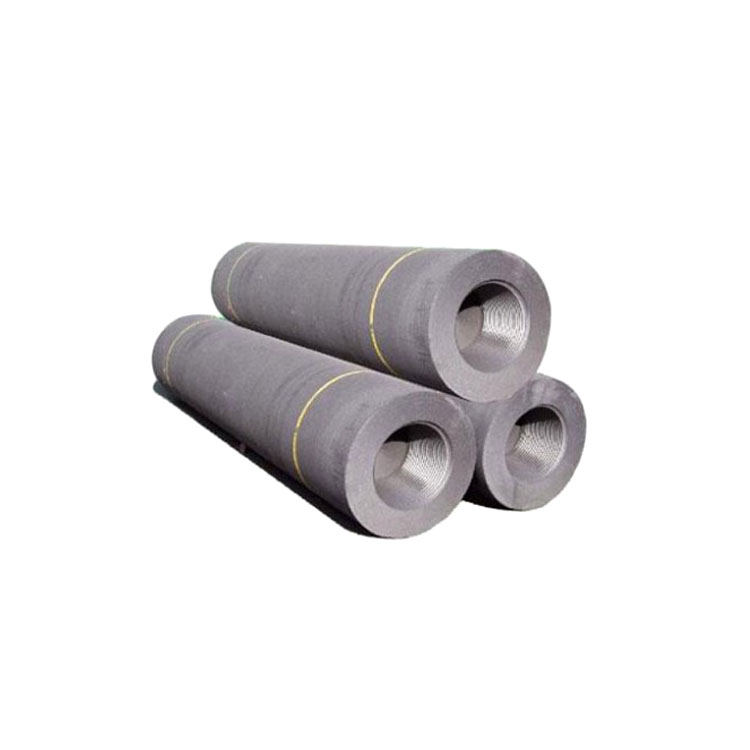
The high content of aluminum and zirconium oxides in TY - AZS36 greatly enhances its erosion resistance. In the high - temperature and corrosive environment of glass furnaces, these elements form a stable protective layer on the surface of the brick, preventing the penetration of corrosive substances. For example, compared with ordinary AZS bricks, TY - AZS36 can withstand more severe chemical attacks, which is why it has a longer service life in actual use.
The low apparent porosity also contributes to the brick's thermal shock stability. When the temperature in the furnace changes rapidly, a brick with low porosity is less likely to crack due to thermal stress. This property ensures the continuous and stable operation of the furnace in different working conditions.
In actual use, there are significant differences in lifespan and failure modes between ordinary AZS bricks and fused AZS brick TY - AZS36. Ordinary AZS bricks may experience faster erosion and more severe cracking under high - temperature and corrosive conditions. In contrast, TY - AZS36 maintains its structural integrity for a longer time, reducing the frequency of furnace repairs and replacements. For instance, the service life of TY - AZS36 can be up to 3 - 5 years, while ordinary AZS bricks may need to be replaced every 1 - 2 years.
| Brick Type | Service Life | Failure Mode |
|---|---|---|
| Ordinary AZS Brick | 1 - 2 years | Severe erosion, cracking |
| Fused AZS Brick TY - AZS36 | 3 - 5 years | Slow and uniform erosion |
To ensure the long - term performance of TY - AZS36 in the electrode sealing area, proper maintenance is essential. Here are some practical maintenance tips:

TY - AZS36 is produced in accordance with ISO standards. ISO certification ensures that the product meets international quality and safety requirements. This not only provides a guarantee for the quality of the product but also reflects the manufacturer's commitment to environmental protection and sustainable development. In today's era of increasing emphasis on green manufacturing, using TY - AZS36 means choosing a more environmentally friendly and sustainable solution for your glass furnace.
Are you struggling with the frequent damage in the electrode sealing area of your furnace? Why is TY - AZS36 more erosion - resistant than ordinary AZS bricks? The answer lies in its unique chemical composition, excellent physical properties, and strict production standards. If you want to extend the lifespan of your glass furnace, reduce downtime costs, and ensure stable production, then fused AZS brick TY - AZS36 is your best choice. Click here to learn more about TY - AZS36