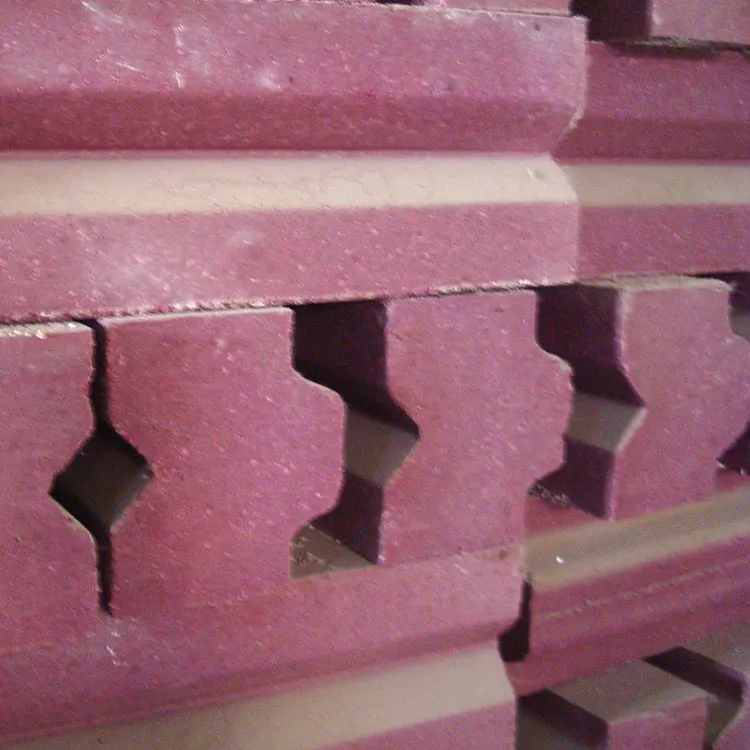
For technical buyers, procurement managers, and furnace engineers in the glass, steel, and ceramics industries, selecting the right refractory brick is not just about material cost—it’s about long-term performance under extreme conditions. Electro-fused AZS 36 (Alumina-Zirconia-Silica) bricks are widely recognized for their exceptional thermal stability and corrosion resistance, but understanding what makes them superior requires diving into core physical and chemical parameters.
AZS 36 refers to a specific formulation with approximately:
This precise ratio ensures minimal phase transformation at temperatures above 1600°C—a critical factor in maintaining structural integrity during prolonged operation in molten glass tanks or high-temperature kilns. Unlike lower-grade alternatives that may crack due to thermal shock, AZS 36 maintains dimensional stability even after repeated heating cycles.
| Property | Typical Value (AZS 36) | Why It Matters |
|---|---|---|
| Volume Density | ≥ 3.0 g/cm³ | Higher density = better mechanical strength and lower permeability to molten glass or slag. |
| Apparent Porosity | ≤ 16% | Low porosity reduces infiltration risk—key for preventing premature failure in aggressive environments. |
Think of volume density like the "muscle mass" of the brick—if it's too light, it won’t withstand pressure. And low apparent porosity? That’s your firewall against chemical attack from molten materials. Together, these specs make AZS 36 ideal for applications where reliability directly impacts production uptime.
Reputable manufacturers of electro-fused AZS 36 bricks comply with ISO 9001:2015 quality management standards. This means every batch undergoes rigorous testing—not only for composition but also for cold crushing strength (typically > 120 MPa), thermal shock resistance, and linear change after firing.
When you choose an ISO-certified supplier, you’re not just buying a product—you’re gaining access to consistent performance across orders, reduced risk of furnace downtime, and easier compliance with international environmental regulations.
“The difference between a good refractory and a great one often lies in how well its properties are controlled—not just claimed.”
Whether you're specifying materials for a new furnace build or optimizing existing operations, understanding these metrics empowers smarter decisions—and fewer costly surprises down the line.