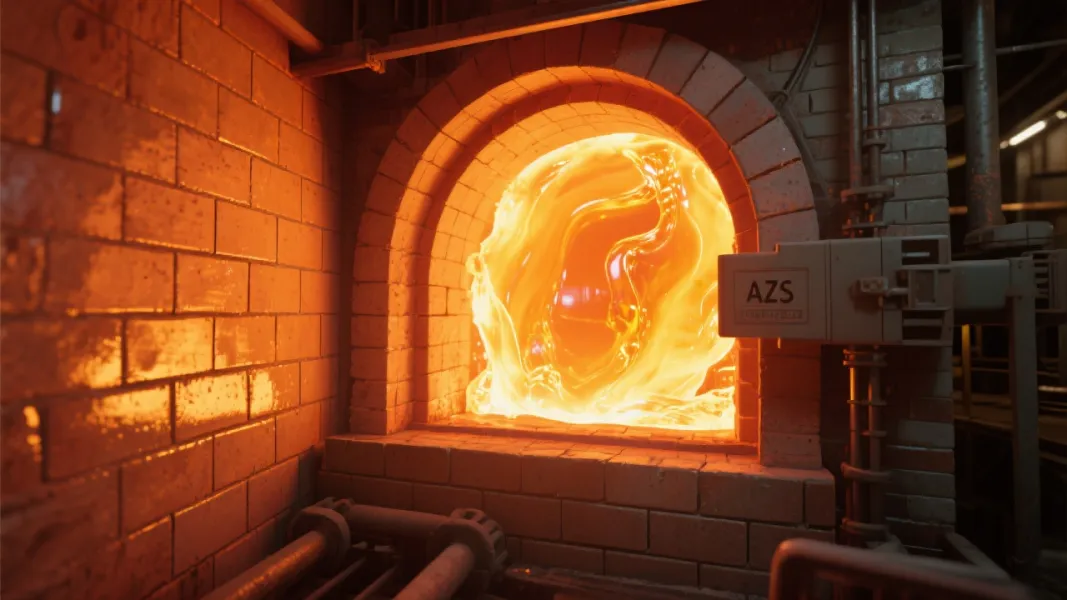
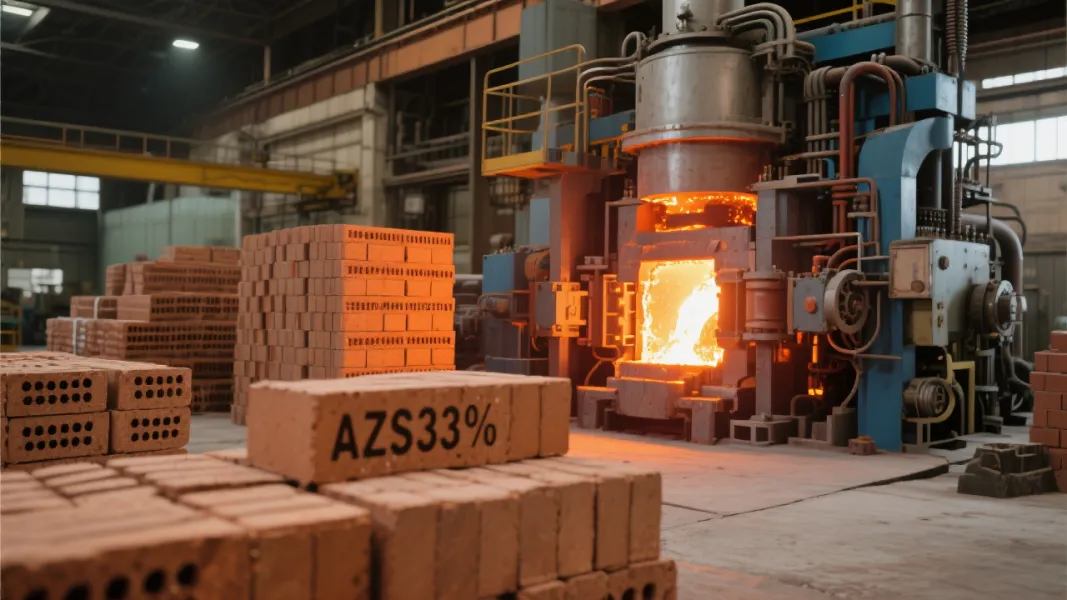
In the demanding environment of float glass production, refractory materials must endure extreme temperatures, chemical attack, and thermal cycling. The key to long-term furnace stability often lies not just in material selection—but in the precise control of every manufacturing step. For example, our TY-AZS36D electrofused AZS brick achieves exceptional resistance to glass corrosion through a scientifically optimized formulation and controlled melting process.
High-purity alumina (Al₂O₃), zirconia (ZrO₂), and silica (SiO₂) are the foundation of any premium electrofused AZS brick. At our facility, we source raw materials with Al₂O₃ content exceeding 99%, ensuring minimal impurities that could form low-melting-point phases during service. This precision reduces Na₂O + K₂O levels to under 1.35%—a critical threshold for enhancing glass phase stability above 1400°C.
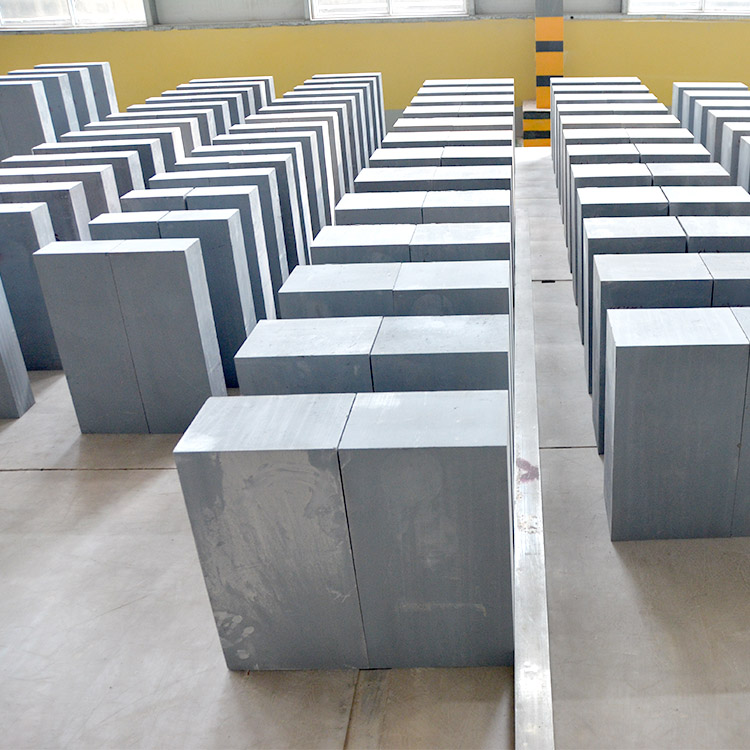
The oxidation stage is where chemistry meets engineering. By carefully managing oxygen partial pressure in the electric arc furnace, we minimize the formation of volatile alkali oxides like Na₂O and K₂O. This isn’t just theoretical—it’s proven: bricks processed this way show up to 30% less crystallization at 1300°C compared to conventional methods, significantly improving thermal shock resistance.
Think of it like ceramic sintering in kilns: too much flux, and the structure becomes weak. Too little control, and you get unpredictable behavior. We apply the same discipline here—not just for consistency, but for performance under real-world conditions.
After casting, cooling rate directly impacts microstructure. Rapid cooling can cause internal stresses, while slow cooling may allow undesirable crystal growth. Our patented two-stage cooling protocol ensures a homogeneous, fine-grained structure—a factor linked to >25% longer service life in actual glass tank applications.
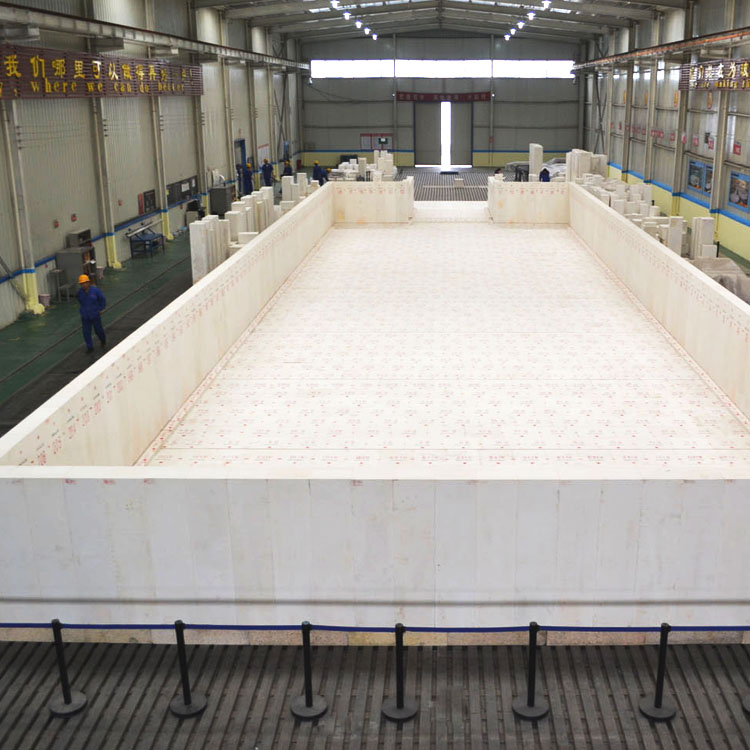
From temperature fluctuations to atmosphere changes in the melting zone, engineers face constant variables. Our team has developed dynamic adjustment protocols based on decades of field data—such as maintaining a ±5°C tolerance in melt temperature and using nitrogen purge systems to stabilize the crucible environment. These aren't just best practices—they're battle-tested solutions.
Discover how our TY-AZS series bricks combine science, experience, and real-world validation to deliver reliable performance in your glass production line.
Learn More in Our Technical Corner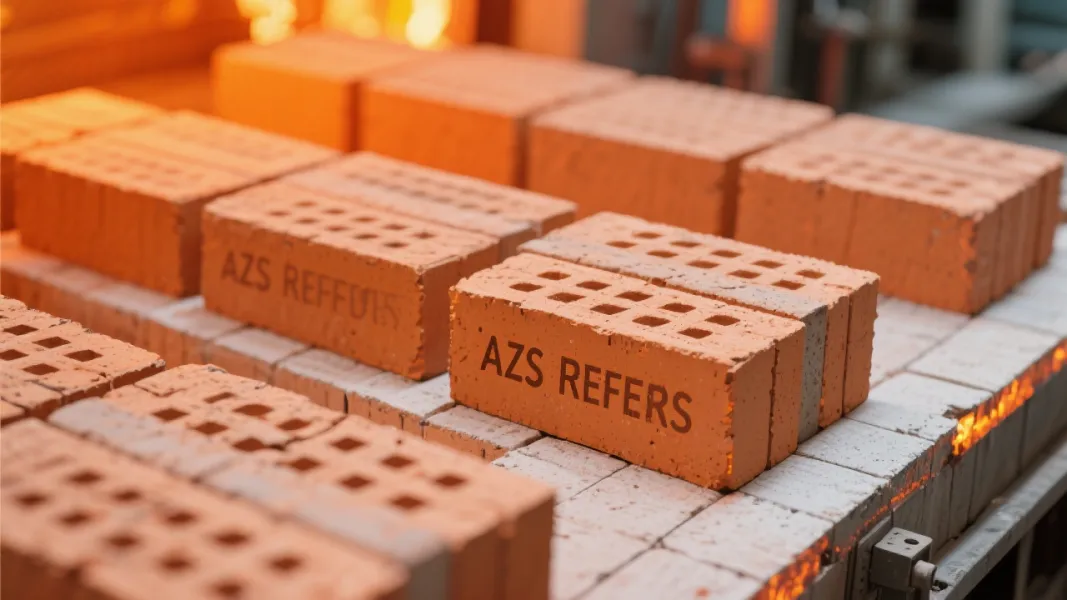
 199
|
199
|
 AZS cross brick
glass furnace refractory
high temperature耐火材料
regenerator chamber
energy efficient glass production
AZS cross brick
glass furnace refractory
high temperature耐火材料
regenerator chamber
energy efficient glass production
.jpg?x-oss-process=image/resize,h_600,m_lfit/format,webp) 302
|
AZS bricks
high-temperature applications
refractory materials
fused alumina-zirconia-silicate
manufacturing process
quality standards
ISO certification
real-life cases
302
|
AZS bricks
high-temperature applications
refractory materials
fused alumina-zirconia-silicate
manufacturing process
quality standards
ISO certification
real-life cases
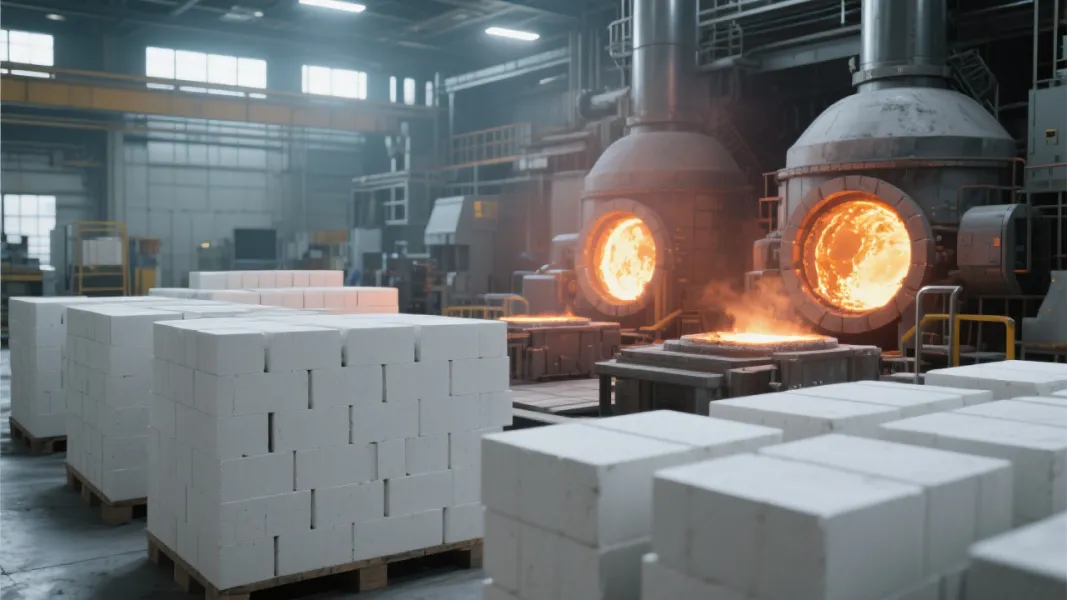 156
|
float glass furnace refractories
low Na2O refractory materials
electric fused AZS36D
glass phase stability
refractory corrosion resistance
156
|
float glass furnace refractories
low Na2O refractory materials
electric fused AZS36D
glass phase stability
refractory corrosion resistance
 473
|
Refractory material selection
Fused AZS block application
Glass melting furnace maintenance
Furnace temperature distribution
AZS cast block layout
473
|
Refractory material selection
Fused AZS block application
Glass melting furnace maintenance
Furnace temperature distribution
AZS cast block layout
 111
|
electrically fused AZS blocks
Al2O3-ZrO2-SiO2 ratio
glass melting furnace refractory
corrosion-resistant refractory materials
high-temperature ceramic durability
111
|
electrically fused AZS blocks
Al2O3-ZrO2-SiO2 ratio
glass melting furnace refractory
corrosion-resistant refractory materials
high-temperature ceramic durability