
In the high-stakes world of float glass production, even minor variations in refractory performance can lead to costly downtime or quality defects. That’s why understanding how raw material composition directly impacts glass phase stability in electrofused AZS (alumina-zirconia-silica) bricks is no longer optional—it’s essential for technical teams and procurement leaders alike.
Traditional AZS bricks often suffer from premature crystallization due to unstable glass phases—especially when exposed to Na₂O and K₂O-rich environments common in soda-lime glass melts. Studies show that uncontrolled alkali oxide content increases crystallization rates by up to 40% over a 6-month period in typical float glass furnaces. This leads to microcracking, erosion, and reduced service life.
Our proprietary oxidation process—developed through more than 30 years of continuous refinement—reduces Na₂O and K₂O levels by an average of 25–30%, significantly enhancing both thermal shock resistance and chemical durability. In real-world applications across European and Middle Eastern float lines, this translates to extended brick lifespans of 12–18 months versus industry-standard 8–10 months.
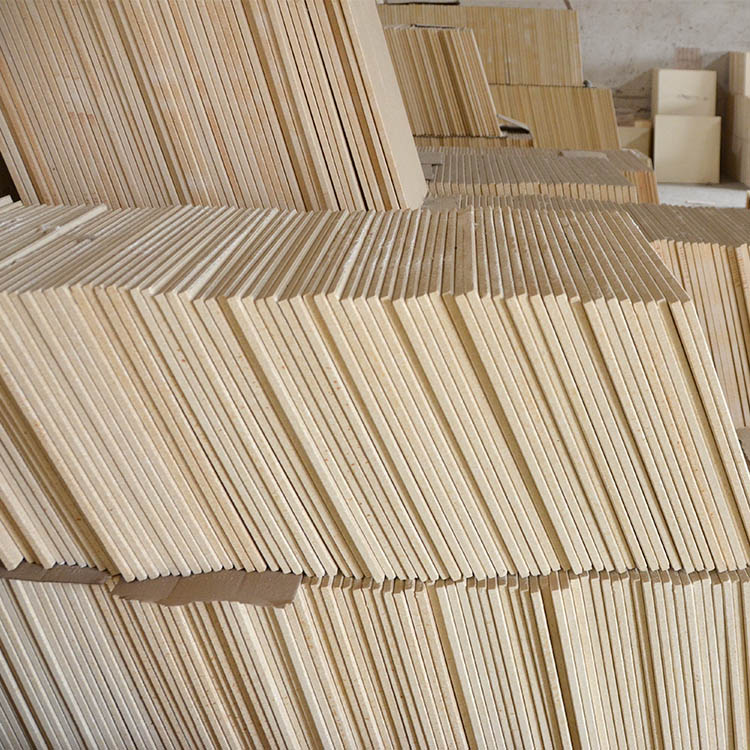
The journey begins with high-purity alumina (>99.5%), zircon sand (<0.5% Fe₂O₃), and silica sources carefully blended using AI-assisted batching systems. Each batch undergoes XRF analysis before entering the electric arc furnace at 1950°C. The controlled oxidation step—performed under precise oxygen partial pressure—is where the magic happens. It selectively volatilizes alkali oxides without compromising structural integrity.
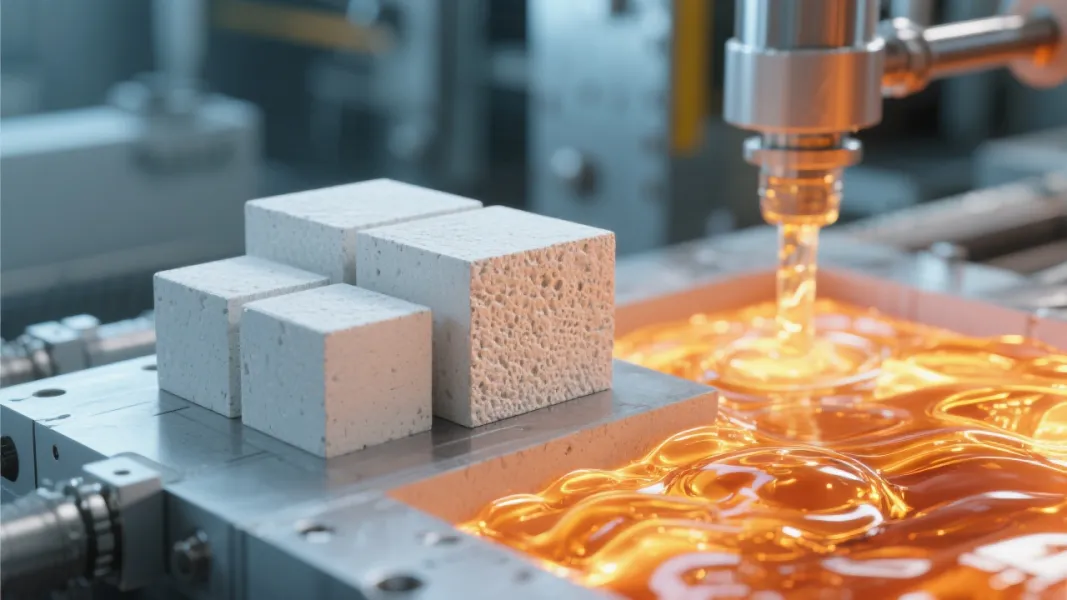
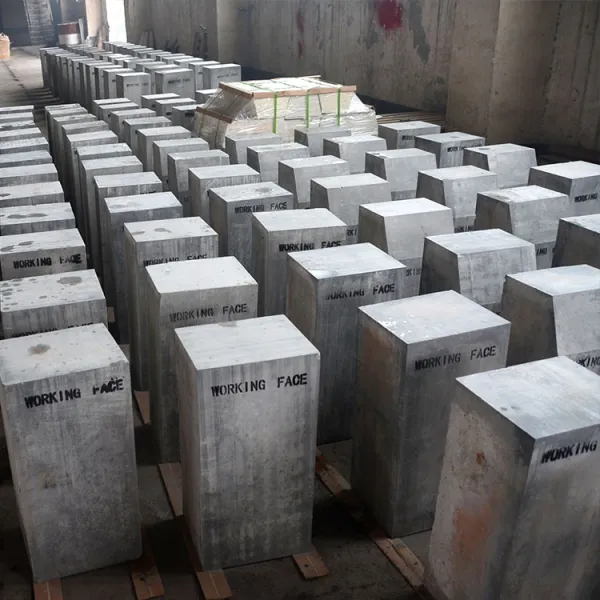
This refined melt is then poured into molds and cooled slowly in a temperature-controlled chamber. Our cooling curve design ensures uniform grain growth and minimizes internal stresses—a key factor in preventing spalling during thermal cycling.
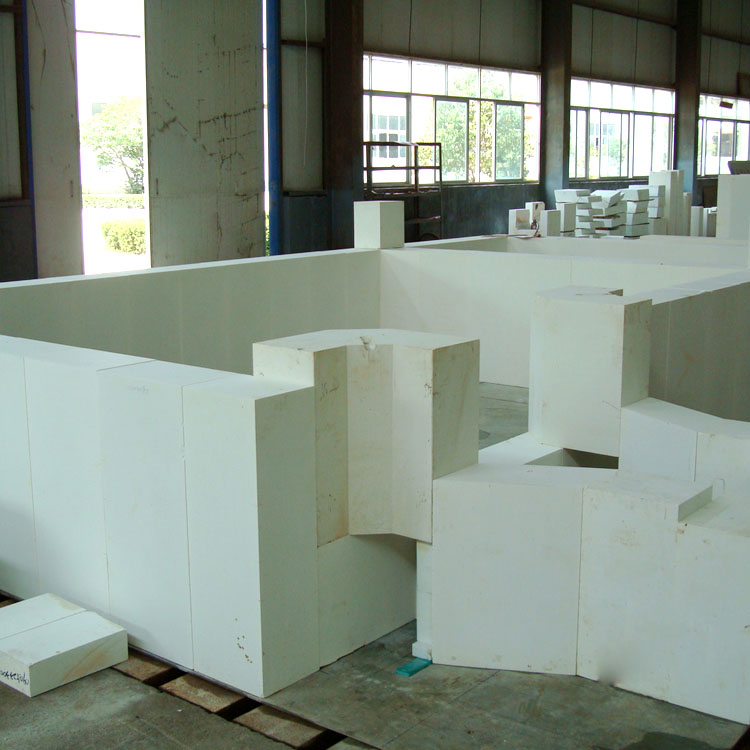
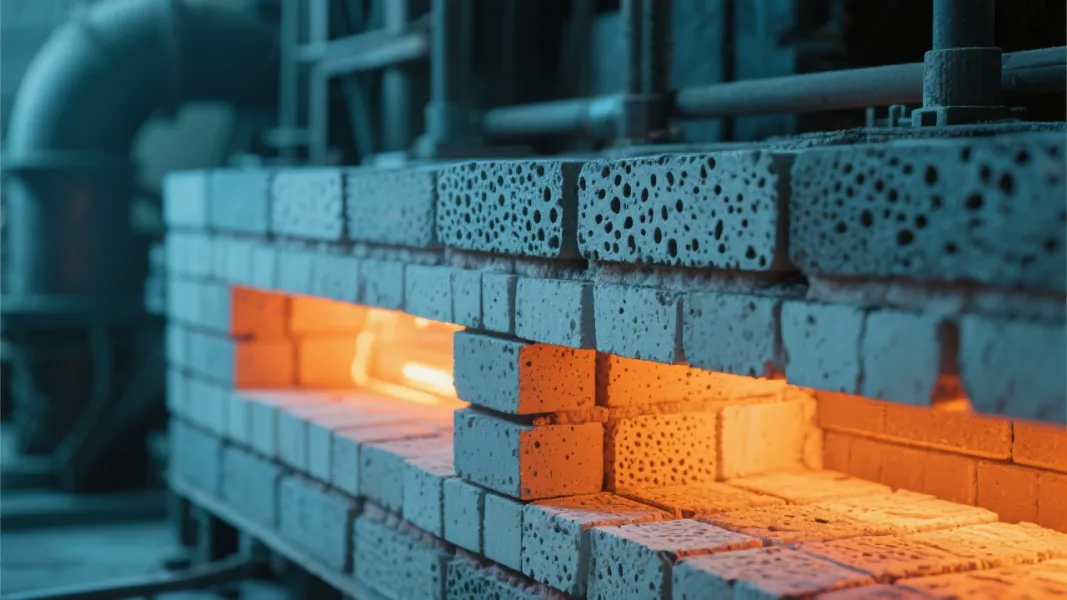
What sets our approach apart isn’t just the science—it’s how we apply it. For example, in bottle kiln side walls where temperature gradients are extreme, our optimized glass phase has demonstrated a 35% lower erosion rate compared to conventional materials after 1000 hours of operation.
If you're evaluating refractories for your next furnace upgrade, consider asking suppliers not only about bulk density or cold crushing strength—but also about their ability to control glass phase chemistry. Ask for lab reports on Na₂O/K₂O levels post-oxidation. Request field performance data from similar applications—not just theoretical specs.
Remember: stable glass phase = fewer cracks = less maintenance = higher uptime = better ROI.
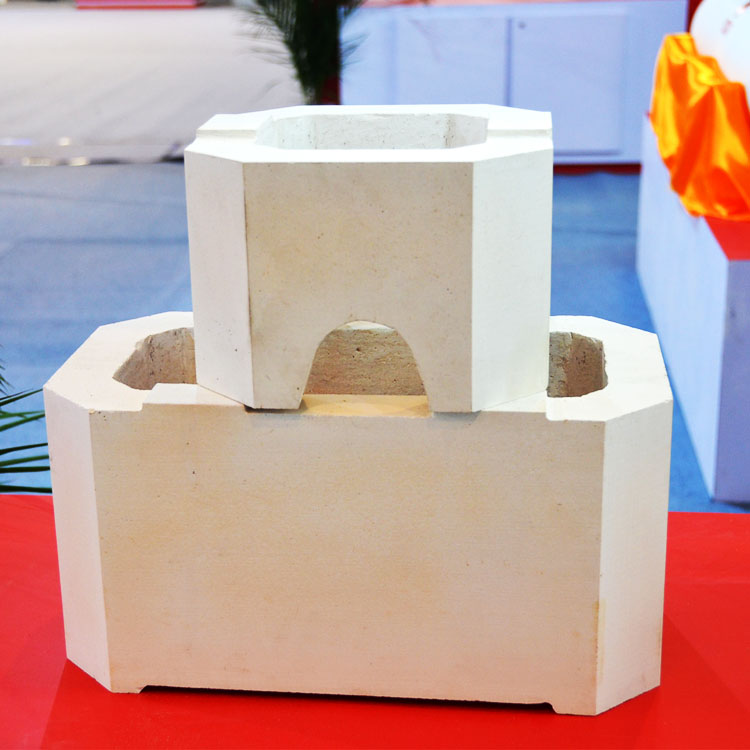
Want to dive deeper into the science behind our innovations? Explore our Technical Insights Hub—where engineers meet results.
 185
|
185
|
 Low-sodium electro-fused AZS refractories
Float glass furnace material selection
Refractory corrosion resistance
Glass phase stability
Furnace life extension
Low-sodium electro-fused AZS refractories
Float glass furnace material selection
Refractory corrosion resistance
Glass phase stability
Furnace life extension
 344
|
float glass furnace refractory
low Na2O fused AZS
refractory material selection
glass phase stability
furnace lining materials
344
|
float glass furnace refractory
low Na2O fused AZS
refractory material selection
glass phase stability
furnace lining materials
.jpg?x-oss-process=image/resize,h_600,m_lfit/format,webp) 50
|
AZS rotary tubular bricks
refractory materials for glass production
ISO certified high-performance bricks
50
|
AZS rotary tubular bricks
refractory materials for glass production
ISO certified high-performance bricks
 257
|
Refractory material selection
Fused AZS block application
Glass furnace maintenance
High - temperature furnace refractory materials
Cast block performance
257
|
Refractory material selection
Fused AZS block application
Glass furnace maintenance
High - temperature furnace refractory materials
Cast block performance
 432
|
fused AZS cast blocks
glass melting furnace wear materials
high-temperature corrosion-resistant materials
melting furnace maintenance
glass furnace feeding channel materials
432
|
fused AZS cast blocks
glass melting furnace wear materials
high-temperature corrosion-resistant materials
melting furnace maintenance
glass furnace feeding channel materials

.jpg?x-oss-process=image/resize,m_fill,h_200,w_200/format,webp)



.jpg?x-oss-process=image/resize,m_fill,h_200,w_200/format,webp)
.jpg?x-oss-process=image/resize,m_fill,h_200,w_200/format,webp)




