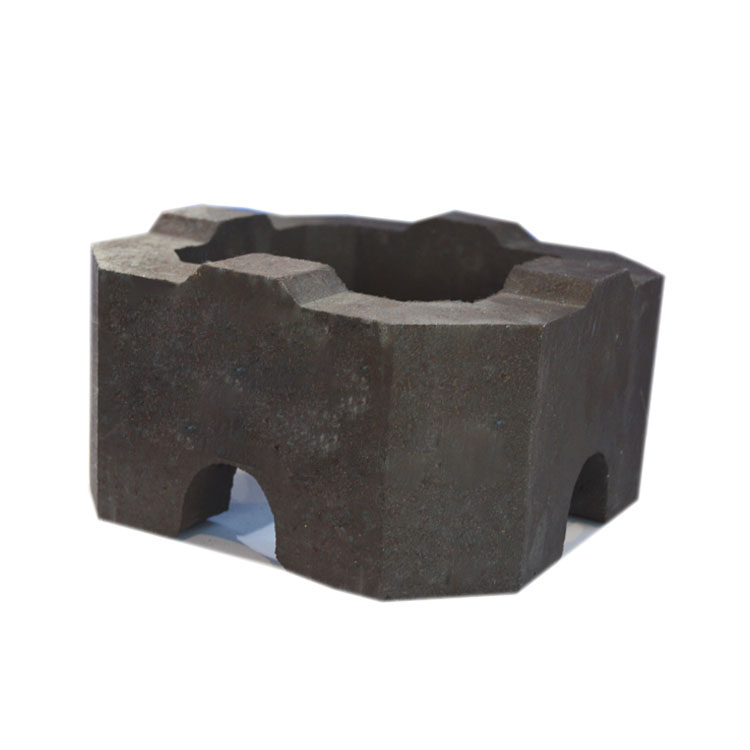
As a glass furnace operator, you’re undoubtedly aware that refractory bricks form the backbone of the melting furnace’s durability and efficiency. Among them, Fused AZS refractory bricks (TY-AZS36) stand out with their superior chemical composition and dense microstructure, delivering unmatched resistance against corrosion and thermal shock. But even the best AZS bricks need timely inspection and maintenance to ensure they serve their optimal lifespan, preventing costly unplanned shutdowns.
Frequent breakage and short lifespan of sidewall, throat, and electrode seal bricks are common headaches in glass furnace maintenance. These failures mainly arise from high-temperature corrosion, thermal cycling, and mechanical stress. Without consistent monitoring, subtle damages accelerate, severely impacting production continuity and repair costs.
TY-AZS36 stands apart due to its high purity alumina (Al₂O₃ ≥ 49%) and zirconia (ZrO₂ ≥ 35.5%) content coupled with a notably dense microstructure. This composition ensures:
These features boost the brick’s resistance to alkali attack and thermal shock, which commonly degrade furnace linings especially in sidewalls, throat areas, and electrode seals.
To maximize TY-AZS36 bricks’ longevity, incorporate the following inspection and maintenance best practices into your daily operations:
| Routine Check | Description | Target Metric & Frequency |
|---|---|---|
| Temperature Gradient Monitoring | Use infrared thermography or embedded sensors to track temperature distribution and spot hot spots. | Daily checks; maintain gradients within ±20°C |
| Thickness Measurement | Ultrasonic or laser measurement of brick thickness detecting erosion. | Weekly; report thickness loss ≤1.3 mm per 24h |
| Marking & Monitoring Abnormal Zones | Physically mark areas with cracks, spalling, or discoloration for prioritized inspection. | Ongoing; update maintenance log |
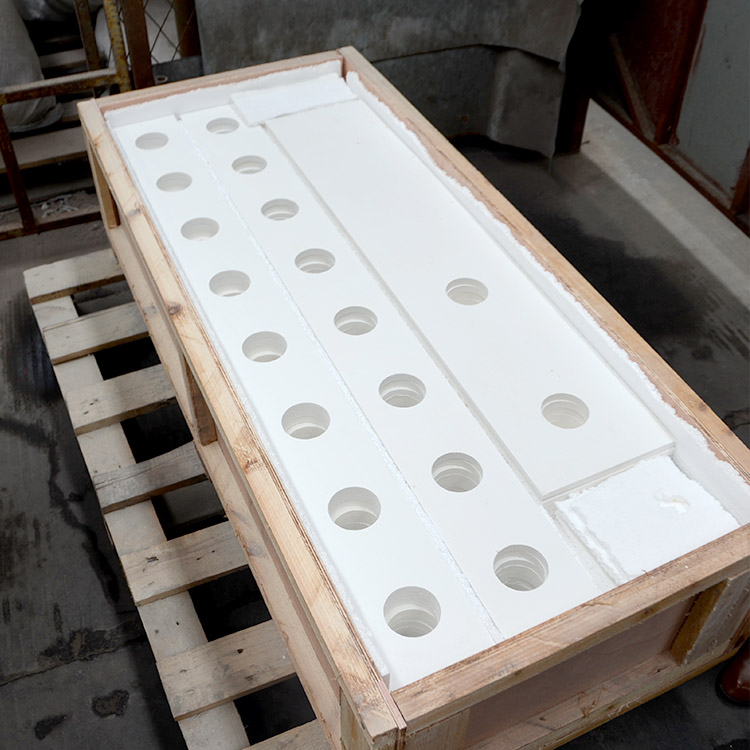
Implementing systematic data collection on brick erosion rate, temperature fluctuations, and failure incidents helps you predict maintenance windows and optimize replacement schedules. With documented high-temperature erosion rates typically below 1.3 mm per 24 hours for TY-AZS36 bricks, you can confidently plan operations around reliable refractory performance.
Aligning your maintenance process with internationally recognized standards such as ISO 9001 quality management and embracing green manufacturing protocols not only improves operational safety but enhances your supplier credibility and environmental compliance.
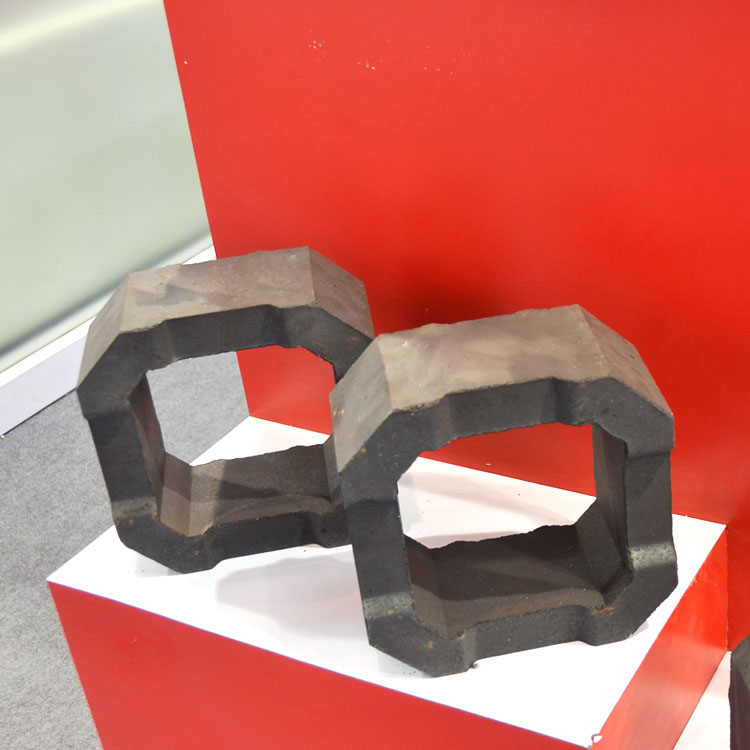
Integrating the high-performance TY-AZS36 fused AZS bricks with disciplined, data-backed daily maintenance empowers your glass melting operations to run longer and safer. This strategy slashes emergency repairs and extends furnace campaigns — ultimately saving costs and boosting throughput.
Remember: your periodic inspections and proactive care directly translate to a durable furnace lining and smoother glass production. Achieving this balance is not just technical diligence but strategic asset management.