
In the operation of float glass furnaces, the corrosion resistance of refractory materials is a critical factor that directly impacts production efficiency and glass quality. The choice of appropriate refractory materials can significantly reduce the risk of furnace shutdowns and maintenance costs. This guide aims to provide a scientific approach to the selection of refractory materials for float glass furnaces, focusing on the role of Na₂O content in enhancing corrosion resistance.
Na₂O plays a complex role in the glass phase of fused AZS refractory materials. When present in high concentrations, it can disrupt the stability of the glass - phase structure. In the glass phase, Na₂O weakens the chemical bonds between the components, making the material more susceptible to corrosion. As the temperature in the float glass furnace fluctuates, the presence of excessive Na₂O can lead to the crystallization of the glass phase, which in turn affects the overall structure of the refractory material.
For example, when Na₂O content is high, the glass phase becomes less viscous. This reduced viscosity allows corrosive substances in the furnace, such as molten glass and various gases, to penetrate the material more easily, causing damage to the refractory structure. A high - Na₂O glass phase also has a lower melting point, which means it can flow more readily at the operating temperature of the furnace, leading to the loss of material and the formation of glass defects.

Traditional AZS refractory materials have a relatively high Na₂O content. In contrast, TY - AZS36D features a low - sodium formula, with Na₂O + K₂O ≤ 1.35%. This low - sodium formulation brings about significant performance improvements.
In terms of anti - crystallization ability, TY - AZS36D outperforms traditional AZS. The low - sodium glass phase in TY - AZS36D is more stable, with a higher resistance to crystallization. This means that during the long - term operation of the furnace, the structure of TY - AZS36D remains intact, reducing the risk of material failure due to crystallization.
The service life of the furnace is also extended when using TY - AZS36D. Traditional AZS may need to be replaced more frequently due to corrosion and crystallization, while TY - AZS36D can withstand the harsh environment of the float glass furnace for a longer time. According to some industry data, the use of TY - AZS36D can increase the furnace lining's service life by up to 20% compared to traditional AZS.
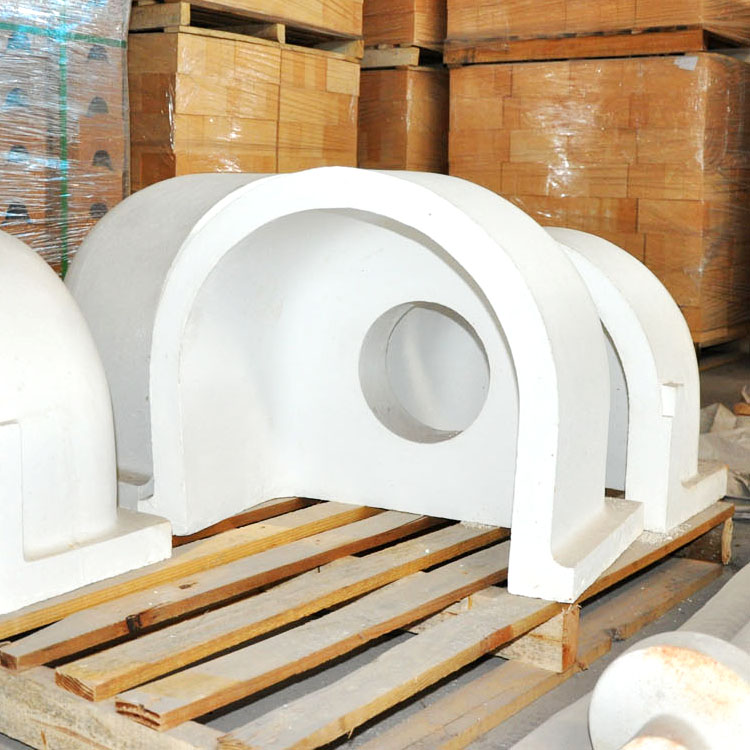
In a large - scale glass manufacturing plant, the replacement of traditional AZS with TY - AZS36D in the furnace lining led to a significant reduction in glass defects. Before the replacement, the defect rate of the glass products was around 5%. After using TY - AZS36D for a certain period, the defect rate dropped to less than 2%.
Another case involved a glass factory that was facing frequent furnace shutdowns due to refractory material failure. After switching to TY - AZS36D, the number of unplanned shutdowns decreased by 30% over a one - year period. This not only saved the cost of shutdown and maintenance but also improved the overall production efficiency of the factory.
When selecting refractory materials for float glass furnaces, it is essential to consider multiple factors, including the glass composition, temperature gradient, and operating cycle of the furnace.
For glass compositions with high alkali content, a refractory material with an even lower Na₂O content may be required. In terms of temperature gradient, different parts of the furnace have different temperature profiles. Areas with higher temperatures need refractory materials with better heat resistance and anti - corrosion properties. The operating cycle of the furnace also affects the choice of refractory materials. For long - term continuous operation, a more durable material like TY - AZS36D is recommended.
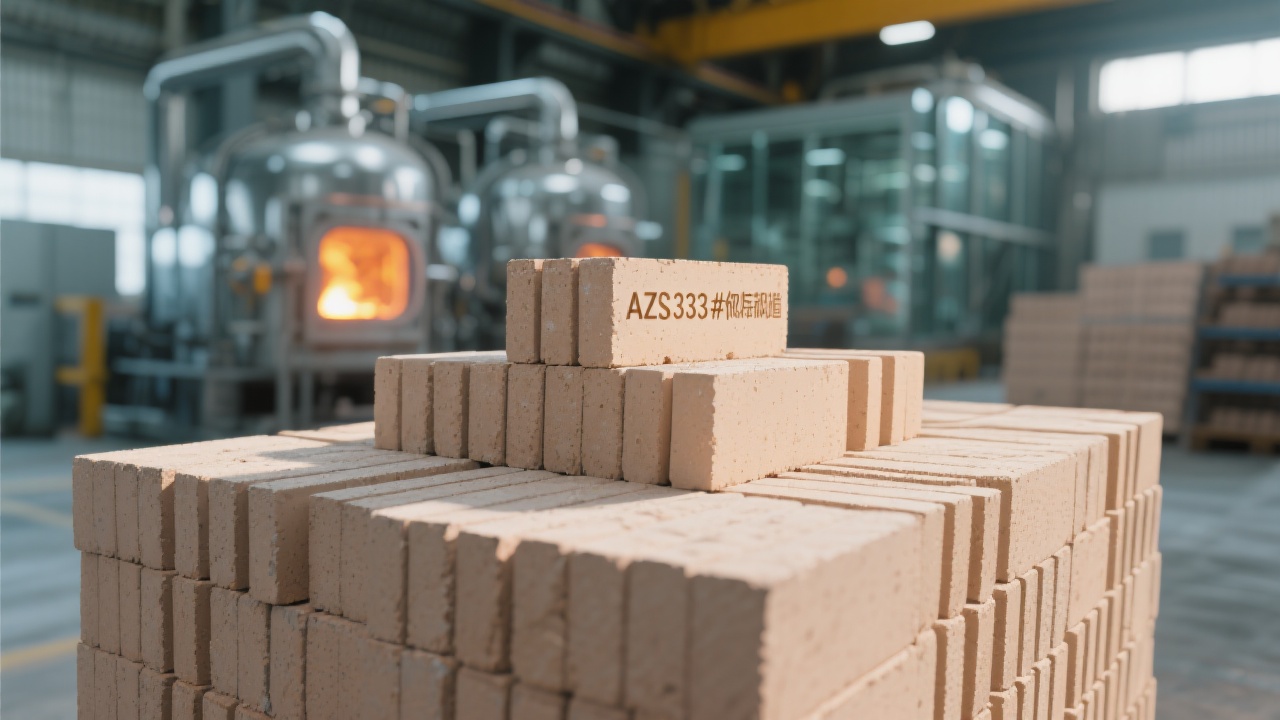
In conclusion, the selection of refractory materials for float glass furnaces is a technical decision that requires a deep understanding of the material properties and the furnace operating conditions. The role of Na₂O content in enhancing corrosion resistance cannot be underestimated. By choosing low - sodium refractory materials like TY - AZS36D, glass manufacturers can significantly improve the performance of their furnaces, reduce the risk of shutdowns, and enhance the quality of their glass products.
Choose TY - AZS36D and experience less furnace downtime and higher product yields!

 444
|
444
|
 AZS33# block
glass melting furnace refractories
electrofused zirconia-alumina brick
feed channel refractory
zirconia-alumina brick application
AZS33# block
glass melting furnace refractories
electrofused zirconia-alumina brick
feed channel refractory
zirconia-alumina brick application
 181
|
Fused AZS TY - AZS33
glass melting furnace solutions
AZS cast block performance advantages
181
|
Fused AZS TY - AZS33
glass melting furnace solutions
AZS cast block performance advantages
 260
|
refractory material selection
fused AZS block application
glass melting furnace maintenance
crystallization prevention techniques
thermal cracking mitigation
260
|
refractory material selection
fused AZS block application
glass melting furnace maintenance
crystallization prevention techniques
thermal cracking mitigation
 425
|
Fused AZS 36 refractory bricks
High-temperature industrial furnace refractories
AZS brick performance parameters
Cold crushing strength
High-temperature corrosion resistance rate
425
|
Fused AZS 36 refractory bricks
High-temperature industrial furnace refractories
AZS brick performance parameters
Cold crushing strength
High-temperature corrosion resistance rate
 395
|
Fused AZS cast blocks
Wear-resistant materials for glass melting furnaces
High-temperature corrosion-resistant materials
Application cases of cast blocks
Maintenance of glass melting furnaces
395
|
Fused AZS cast blocks
Wear-resistant materials for glass melting furnaces
High-temperature corrosion-resistant materials
Application cases of cast blocks
Maintenance of glass melting furnaces





.jpg?x-oss-process=image/resize,m_fill,h_200,w_200/format,webp)
.jpg?x-oss-process=image/resize,m_fill,h_200,w_200/format,webp)