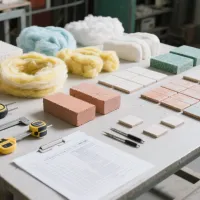
In the float glass industry, the selection of refractory materials for glass furnaces is a critical decision that significantly impacts production quality and equipment lifespan. These materials line the interior of the furnace, protecting it from the extreme temperatures and chemical reactions involved in glass manufacturing. This article aims to provide a comprehensive guide on how to select the most suitable refractory materials, with a particular focus on the role of low Na₂O content in enhancing corrosion resistance and extending furnace life.
The lining materials of float glass furnaces play a vital role in ensuring the smooth operation of the production process. They not only withstand high temperatures but also resist chemical corrosion from molten glass and other substances. A high - quality refractory lining can improve the overall efficiency of the furnace, reduce the risk of downtime, and enhance the quality of the produced glass. For instance, a well - selected refractory material can prevent impurities from entering the glass, resulting in clearer and more consistent glass products.
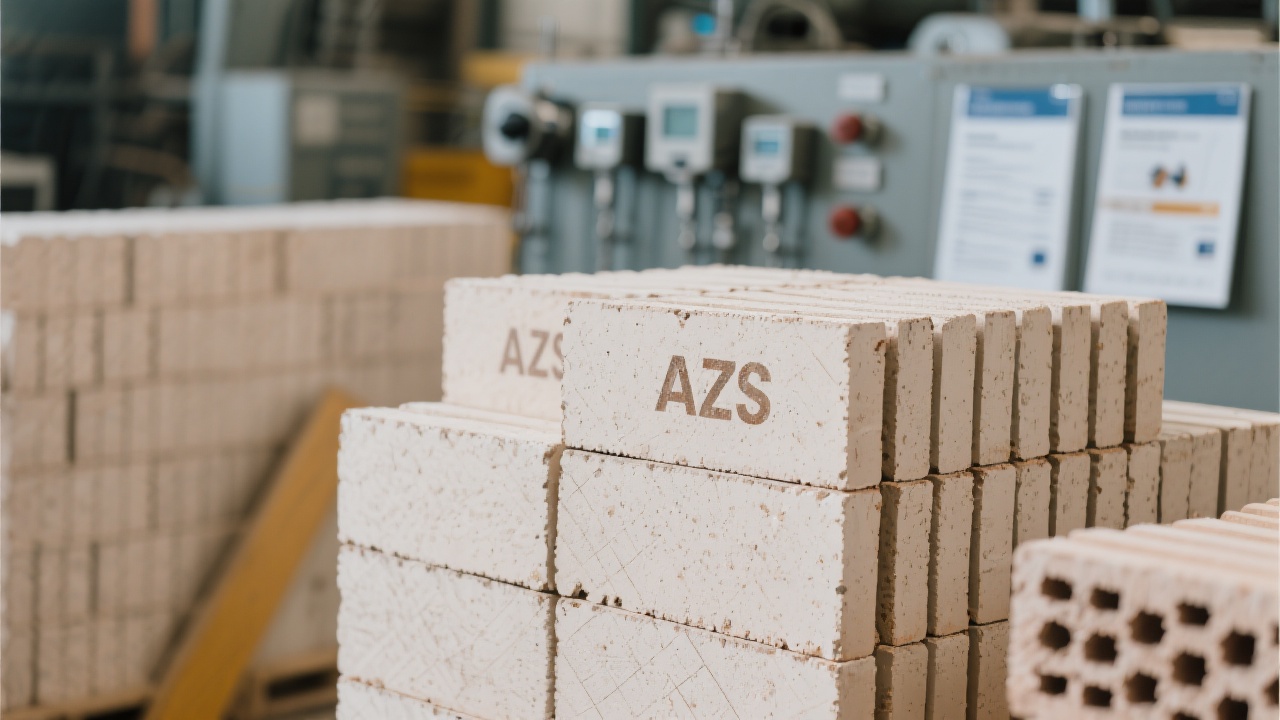
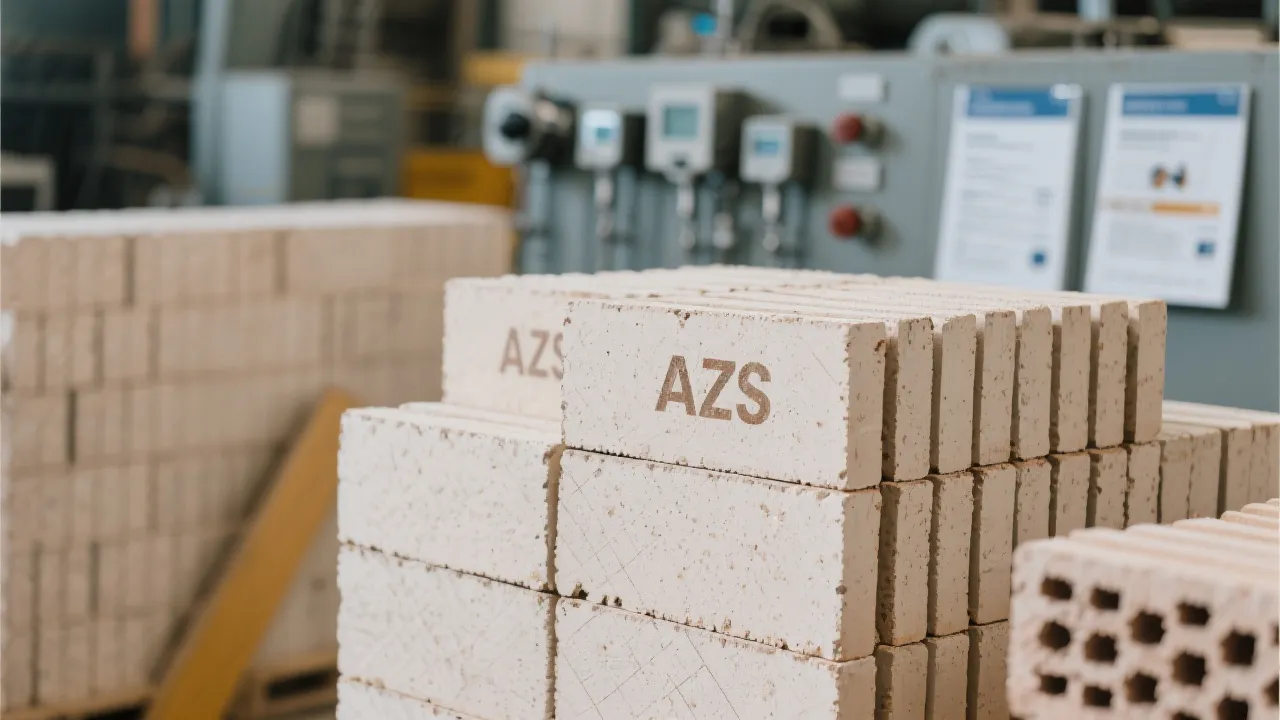
Among the various refractory materials, fused AZS (alumina - zirconia - silica) is widely used in float glass furnaces. The Na₂O content in AZS refractory materials has a profound influence on the stability of the glass phase and the anti - crystallization performance. When the Na₂O content is high, it can lead to a less stable glass phase, which is more prone to crystallization. This crystallization can cause the material to crack and lose its protective properties, reducing the overall corrosion resistance of the refractory material.
Research has shown that by reducing the Na₂O content to ≤1.35%, the stability of the glass phase can be significantly improved. A lower Na₂O content makes the glass phase more resistant to crystallization, thereby enhancing the material's ability to withstand chemical corrosion. This improvement in corrosion resistance directly translates into a longer lifespan for the furnace lining.
Low - sodium formulations of AZS refractory materials offer several advantages. From a chemical and physical property perspective, these formulations have better thermal shock resistance and mechanical strength. They can maintain their structural integrity under the harsh conditions inside the furnace, such as rapid temperature changes and high - pressure environments.
In terms of practical applications, low - Na₂O content materials have been proven to reduce glass defects. For example, in a large - scale float glass production plant, after switching to low - Na₂O AZS refractory bricks, the incidence of glass defects such as bubbles and inclusions decreased by 30%. This not only improved the quality of the glass products but also reduced the production losses caused by defective products.
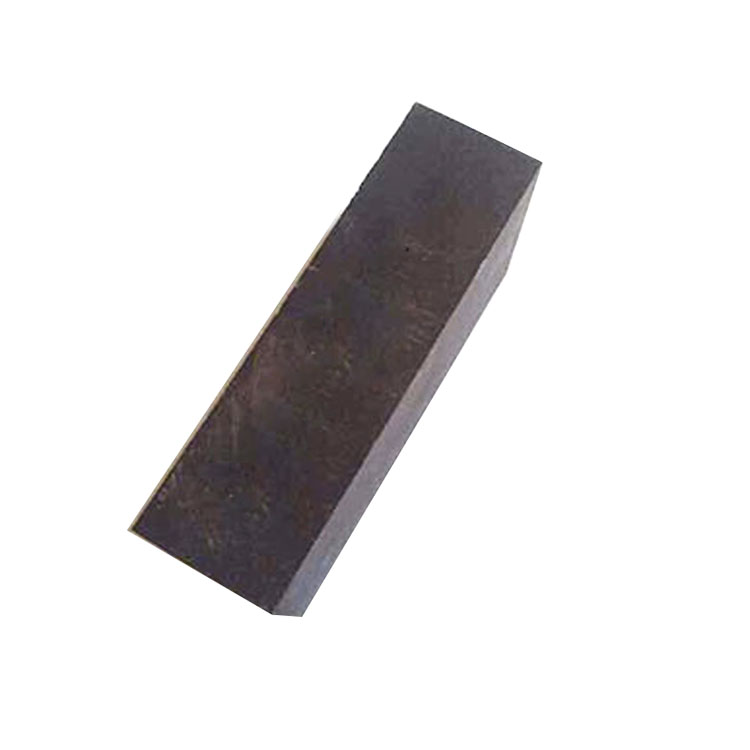
Selecting the right refractory materials requires a comprehensive consideration of various factors, including the glass composition, temperature gradient, and operating cycle of the furnace. Different glass compositions have different chemical properties, which means they may react differently with refractory materials. For example, glasses with high alkaline content may require more corrosion - resistant refractory materials.
The temperature gradient inside the furnace also affects the selection of refractory materials. Areas with higher temperatures need materials with better heat resistance, while areas with lower temperatures may be able to use relatively less heat - resistant but more cost - effective materials. By analyzing these factors, a scientific and reasonable selection strategy can be developed.
Reasonable material selection can bring many benefits to float glass manufacturers. Firstly, it can reduce the risk of furnace shutdown. A well - selected refractory material can withstand the harsh conditions inside the furnace for a longer time, reducing the frequency of unplanned shutdowns for repairs. Secondly, it can optimize the maintenance cycle. Instead of frequent and costly maintenance, the furnace can operate for a longer period before maintenance is required, saving both time and money.
Finally, it can lower the overall operating costs. By reducing the frequency of furnace shutdowns and maintenance, as well as improving the quality of glass products, manufacturers can achieve significant cost savings in the long run.
To ensure the quality and performance of refractory materials, it is recommended to choose products with relevant certifications. Many high - quality refractory materials have been certified by international standards organizations, which provide assurance of their quality and compliance with industry requirements. In addition, reliable technical support is also crucial. Professional technical teams can help manufacturers accurately select the right materials based on their specific needs and provide continuous technical upgrades.
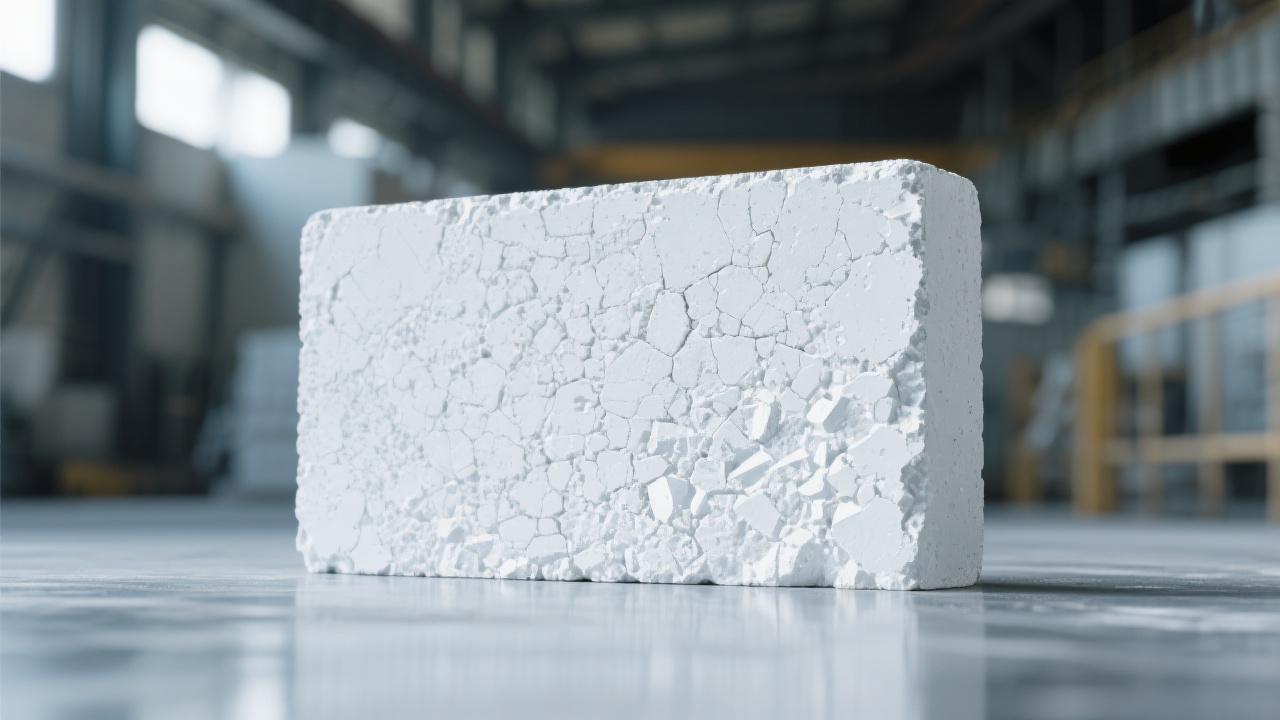
In conclusion, the selection of refractory materials for float glass furnaces is a complex but crucial task. By understanding the role of low Na₂O content in enhancing corrosion resistance and considering various factors such as glass composition and operating conditions, manufacturers can make more informed decisions. If you are looking for high - quality refractory materials and professional technical support to optimize your float glass production process, click here to learn more and get in touch with our experts.
 487
|
487
|
 glass melting furnace refractory bricks
fused AZS brick applications
furnace lining maintenance
high - temperature corrosion protection
extending AZS brick service life
glass melting furnace refractory bricks
fused AZS brick applications
furnace lining maintenance
high - temperature corrosion protection
extending AZS brick service life
 444
|
AZS33# block
glass melting furnace refractories
electrofused zirconia-alumina brick
feed channel refractory
zirconia-alumina brick application
444
|
AZS33# block
glass melting furnace refractories
electrofused zirconia-alumina brick
feed channel refractory
zirconia-alumina brick application
 351
|
bottle furnace side wall refractories
high zirconia refractory bricks
electric fused AZS refractory
glass furnace corrosion resistance
refractory material selection guide
351
|
bottle furnace side wall refractories
high zirconia refractory bricks
electric fused AZS refractory
glass furnace corrosion resistance
refractory material selection guide
 444
|
Glass furnace lining materials
High - temperature corrosion resistance
Fused AZS brick
TY - AZS36
Refractory material performance analysis
444
|
Glass furnace lining materials
High - temperature corrosion resistance
Fused AZS brick
TY - AZS36
Refractory material performance analysis
 311
|
AZS 33# blocks
Glass melting furnace refractory materials
Fused zirconia - corundum bricks
Charging channel refractories
Corrosion resistance and thermal shock resistance
311
|
AZS 33# blocks
Glass melting furnace refractory materials
Fused zirconia - corundum bricks
Charging channel refractories
Corrosion resistance and thermal shock resistance


.jpg?x-oss-process=image/resize,m_fill,h_200,w_200/format,webp)