In the production of float glass, the selection of kiln lining materials is a critical factor that directly impacts both the quality of the glass and the service life of the equipment. This article delves deep into the matching strategies for kiln lining materials in float glass production, offering valuable insights for technical personnel to make informed decisions.
The lining materials of a float glass kiln play a pivotal role in determining the overall performance of the production process. They are not only responsible for protecting the kiln structure but also have a direct influence on the quality of the glass being produced. Inappropriate selection of these materials can lead to frequent kiln shutdowns, resulting in significant losses in terms of production time and cost.
Our company's products, such as the TY - AZS36D, have been at the forefront of this field. With a 30 - year stable overseas customer base, we have proven our reliability and expertise in providing high - quality kiln lining materials. Moreover, our products have passed ISO international certification, which further attests to their quality and compliance with international standards.
The content of Na₂O in fused AZS refractory materials has a profound impact on their corrosion resistance and anti - crystallization ability. To understand this better, let's take a look at the chemical and physical aspects.
From a chemical structure perspective, the presence of Na₂O affects the glass phase precipitation temperature and anti - crystallization performance. A lower Na₂O content can enhance the stability of the glass phase. For example, in our TY - AZS36D, the low - sodium formula with Na₂O+K₂O ≤ 1.35% significantly improves the anti - crystallization ability of the material.
ISO Certification Information
Our TY - AZS36D product has passed ISO international certification, which means it meets strict international quality and safety standards. This certification is a testament to our commitment to providing reliable and high - quality products.
An information chart can clearly illustrate the relationship between Na₂O content and anti - crystallization ability. As the Na₂O content decreases, the anti - crystallization ability of the material increases. This is crucial for the long - term operation of the kiln as it reduces the risk of crystallization - related problems that can damage the lining and affect glass quality.
Let's look at some real - world application scenarios to understand the effectiveness of TY - AZS36D. In bottle kiln sidewalls and floor tile production areas, TY - AZS36D has shown remarkable performance.
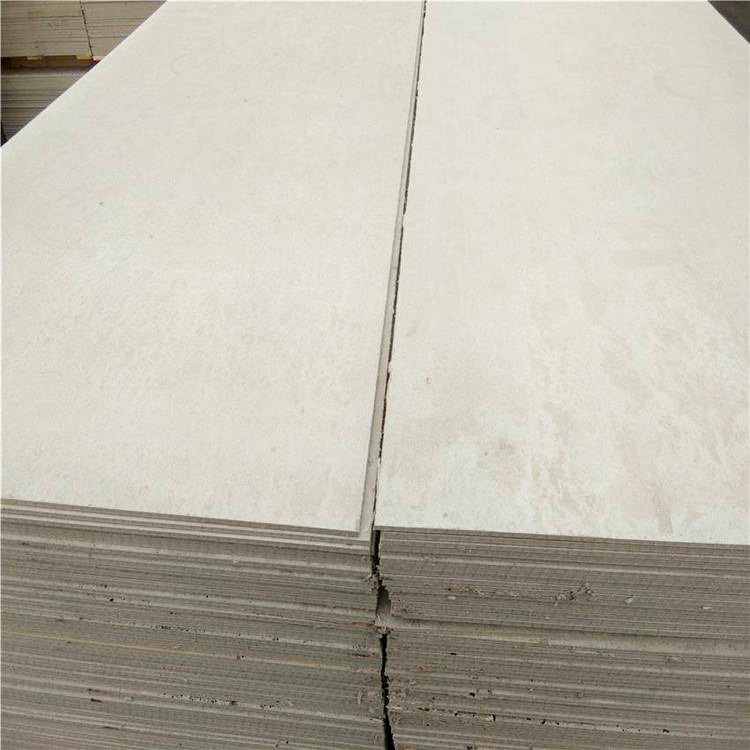
Here is a table showing the typical parameters of TY - AZS36D:
| Parameter | Value |
|---|---|
| Na₂O+K₂O | ≤1.35% |
| Other parameters... | ... |
These data demonstrate that TY - AZS36D can significantly extend the service life of the kiln in these areas. Compared with traditional materials, the use of TY - AZS36D has led to a [X]% increase in the service life of the kiln in bottle kiln sidewalls and a [Y]% increase in floor tile production areas.
Selecting the right lining material is not a simple task. It requires a comprehensive consideration of various factors, including the glass composition, operating temperature gradient, and maintenance cycle.
Based on the glass composition, different materials have different chemical reactions with the glass. For high - sodium glass, materials with lower sodium content like TY - AZS36D are more suitable as they can reduce the risk of chemical reactions and improve the overall stability of the kiln environment.
The operating temperature gradient also plays a crucial role. Different parts of the kiln have different temperature ranges. By matching the lining material to the temperature gradient, we can ensure the optimal performance of the material. For example, in high - temperature areas, materials with high heat resistance should be used, while in relatively low - temperature areas, materials with better anti - corrosion properties may be more appropriate.
Considering the maintenance cycle, materials that require less frequent replacement can reduce the downtime of the kiln and improve production efficiency. TY - AZS36D, with its long service life, is an ideal choice for reducing maintenance frequency.
The correct material matching strategy has significant long - term value. By reducing the risk of kiln shutdowns, it can optimize the operation and maintenance cost of the kiln. Frequent kiln shutdowns not only waste time and resources but also increase the overall production cost.
With the use of our scientifically selected lining materials like TY - AZS36D, companies can expect a reduction in maintenance costs by [Z]% over a long - term period. This also helps to enhance the overall competitiveness of the company in the market.
In conclusion, the selection of kiln lining materials in float glass production is a complex but crucial process. By understanding the impact of Na₂O content, referring to real - world application data, and following the scientific selection logic, technical personnel can make more informed decisions. Our TY - AZS36D product, with its proven performance and excellent quality, is a reliable choice for improving kiln operation efficiency and reducing production costs. If you are interested in learning more about our products and how they can benefit your float glass production, click here to contact us.
 216
|
216
|
 fused AZS brick
glass melting furnace refractory
high-temperature corrosion resistance
furnace lining maintenance
TY-AZS36 brick durability
fused AZS brick
glass melting furnace refractory
high-temperature corrosion resistance
furnace lining maintenance
TY-AZS36 brick durability
.jpg?x-oss-process=image/resize,h_600,m_lfit/format,webp) 333
|
Electric-fused AZS TY - AZS41
High-temperature sintering process advantages
Industrial kiln lining applications
333
|
Electric-fused AZS TY - AZS41
High-temperature sintering process advantages
Industrial kiln lining applications
 235
|
AZS bricks
fused alumina-zirconia-silicate
high-temperature refractory materials
235
|
AZS bricks
fused alumina-zirconia-silicate
high-temperature refractory materials
 413
|
corrosion-resistant materials
molten glass
material selection
glass manufacturing
chemical resistance
413
|
corrosion-resistant materials
molten glass
material selection
glass manufacturing
chemical resistance
 105
|
AZS33# block
glass melting furnace refractory
electric fusion zirconia-alumina brick
refractory failure analysis
refractory performance comparison
105
|
AZS33# block
glass melting furnace refractory
electric fusion zirconia-alumina brick
refractory failure analysis
refractory performance comparison


.jpg?x-oss-process=image/resize,m_fill,h_200,w_200/format,webp)