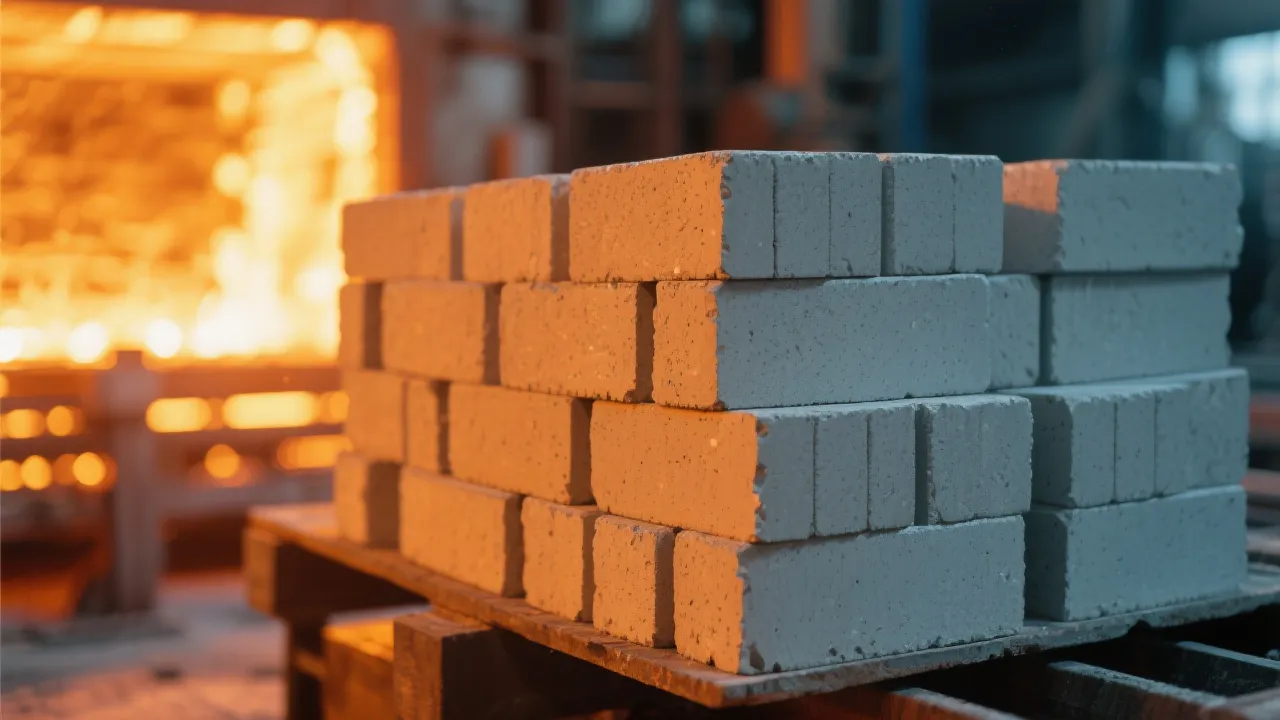
In the production of float glass, the lining materials of the furnace play a crucial role in determining the quality of the final product and the lifespan of the equipment. High - quality refractory materials can significantly enhance the stability of the production process, reduce defects in glass products, and extend the service life of the furnace. This article aims to provide in - depth insights into the failure causes of refractory materials in float glass production and offer practical solutions for technical personnel, equipment maintenance engineers, and procurement decision - makers.
One of the main reasons for the failure of furnace refractory materials in float glass production is the crystallization problem caused by excessive Na₂O content in the glass phase. Chemically and physically, high Na₂O content can reduce the stability of the glass phase and the anti - crystallization ability of refractory materials. Research shows that when the Na₂O content in fused AZS refractory materials exceeds a certain level, the corrosion resistance and anti - crystallization ability of the materials decrease significantly.
In contrast, low - sodium formulations (Na₂O content ≤ 1.35%) have obvious advantages. According to industry data, refractory materials with a low - sodium formulation can increase the anti - corrosion performance by 30% and the anti - crystallization ability by 25% compared with those with a high - sodium formulation. This improvement can effectively enhance the durability of the furnace lining and reduce the occurrence of glass product defects.
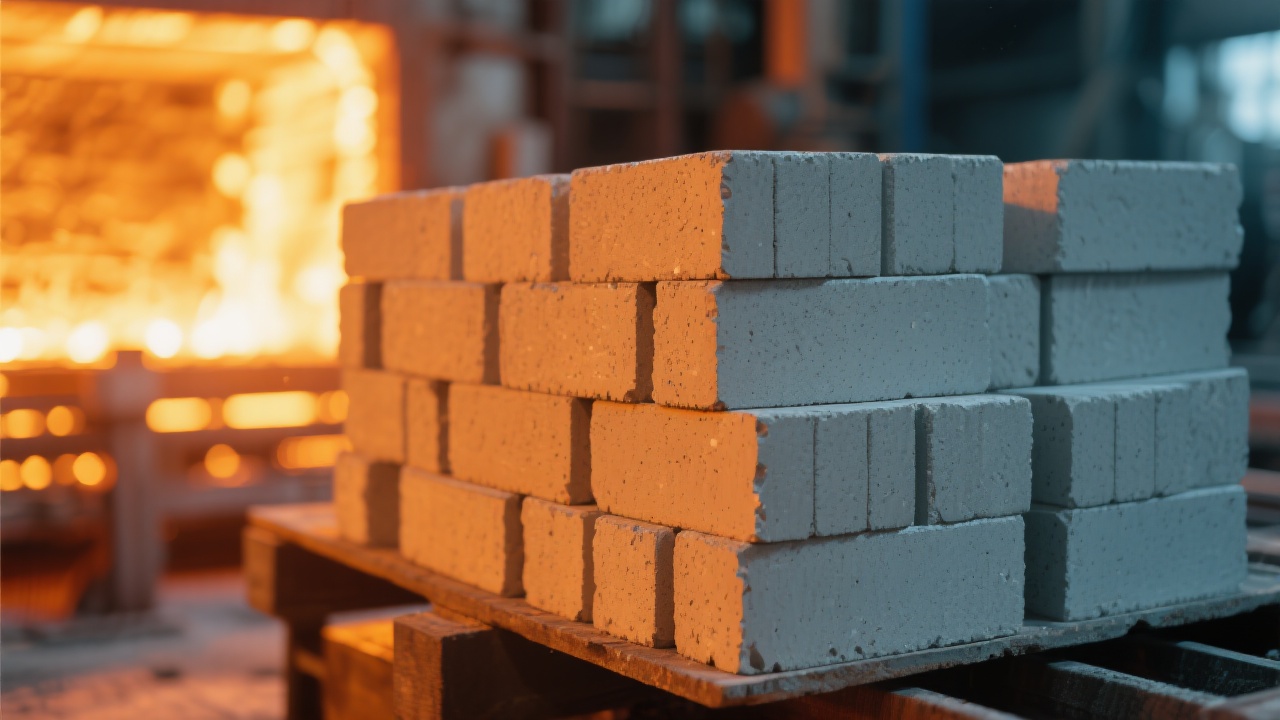
Let's take a look at some real - world examples. A float glass manufacturing plant in [Location] used high - sodium refractory materials in their furnace initially. The furnace needed to be repaired every 2 - 3 years, and the defect rate of glass products was around 8%. After switching to low - sodium refractory materials (Na₂O content ≤ 1.35%), the furnace's service life was extended to 5 - 6 years, and the defect rate of glass products dropped to less than 3%.
Another case is a company in [Another Location]. By adopting low - sodium refractory materials, they reduced the maintenance frequency of the furnace from 4 times a year to 1 - 2 times a year, which not only saved a large amount of maintenance costs but also improved the overall production efficiency.
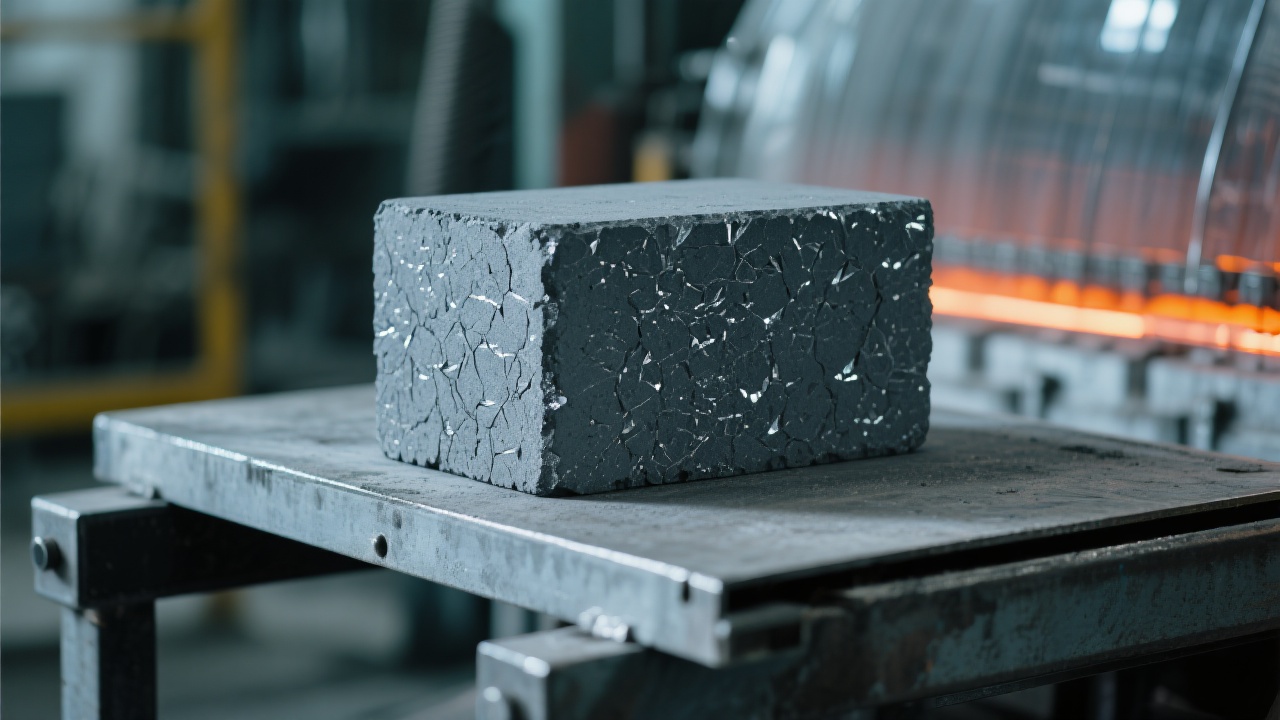
Selecting the right refractory materials is crucial for the efficient operation of float glass furnaces. When choosing refractory materials, several factors need to be considered, such as the glass composition, temperature gradient, and periodic maintenance requirements.
For glass with a high alkaline content, low - sodium refractory materials are more suitable because they can better resist the corrosion of alkaline substances. When the temperature gradient in the furnace is large, materials with good thermal shock resistance should be selected. In addition, materials that are easy to maintain and replace can reduce the maintenance time and cost.
| Glass Composition | Recommended Refractory Material |
|---|---|
| High alkaline content | Low - sodium fused AZS |
| High silica content | Silica - based refractory materials |
In conclusion, the selection of refractory materials has a significant impact on reducing the risk of furnace shutdown and optimizing operation and maintenance costs. By choosing the right refractory materials, companies can not only extend the service life of the furnace but also improve the quality of glass products, thereby enhancing their market competitiveness.
Our company offers a wide range of high - quality refractory materials for float glass furnaces, which are certified by [Certification Name]. Our products have been widely used in many float glass manufacturing plants around the world. If you are a technical professional, equipment maintenance engineer, or procurement decision - maker in the float glass industry, we invite you to explore our products and technical support services to achieve efficient equipment maintenance and cost optimization.