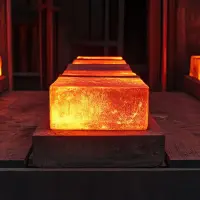
In the high-stakes world of float glass manufacturing, even a single kiln shutdown can cost thousands in lost production and quality control. One often overlooked but critical factor? The refractory lining — especially how well it matches your glass chemistry and thermal profile.
When sodium oxide (Na₂O) content in your glass exceeds 1.35% (combined with K₂O), it begins to destabilize traditional fused cast AZS refractories. Studies show that at Na₂O+K₂O levels above 1.5%, the glass phase starts forming crystals below 1400°C — leading to accelerated erosion, bubbling defects, and shortened furnace life.
This isn’t just theory. A case study from a major European float plant revealed that switching to low-sodium AZS like TY-AZS36D reduced side wall wear by 40% over six months compared to conventional materials. That’s not just performance — it’s operational resilience.
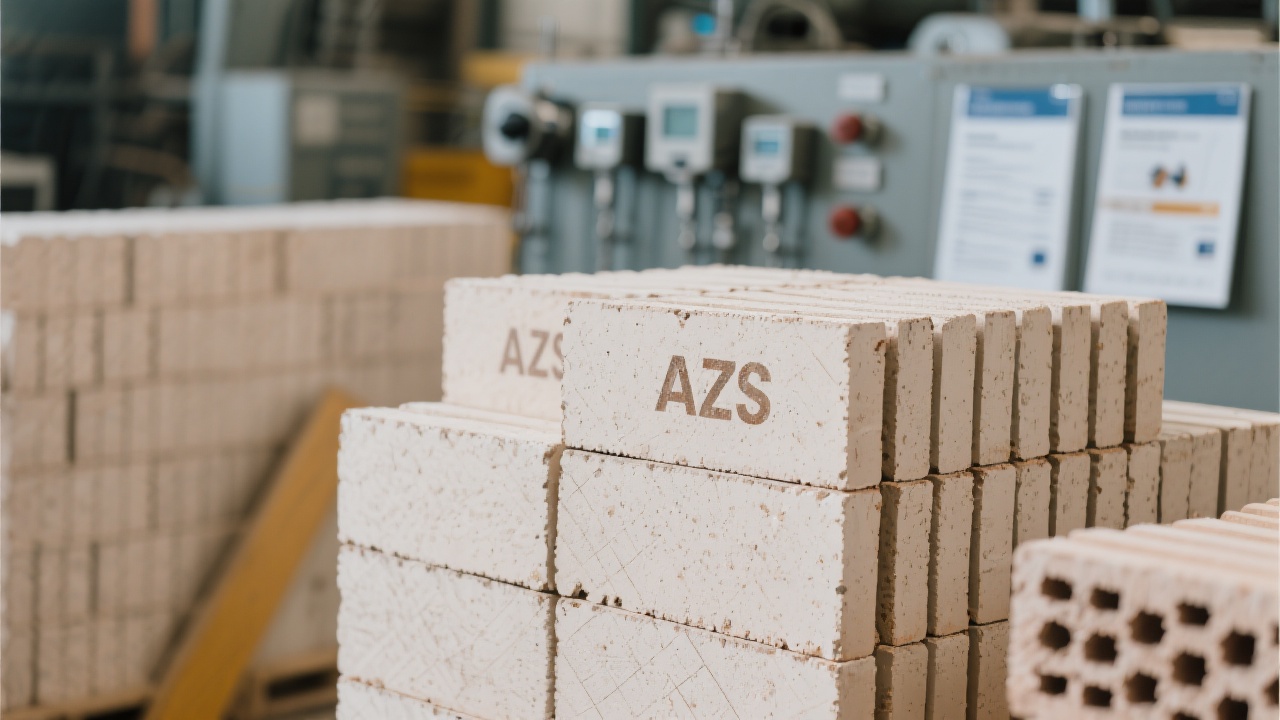
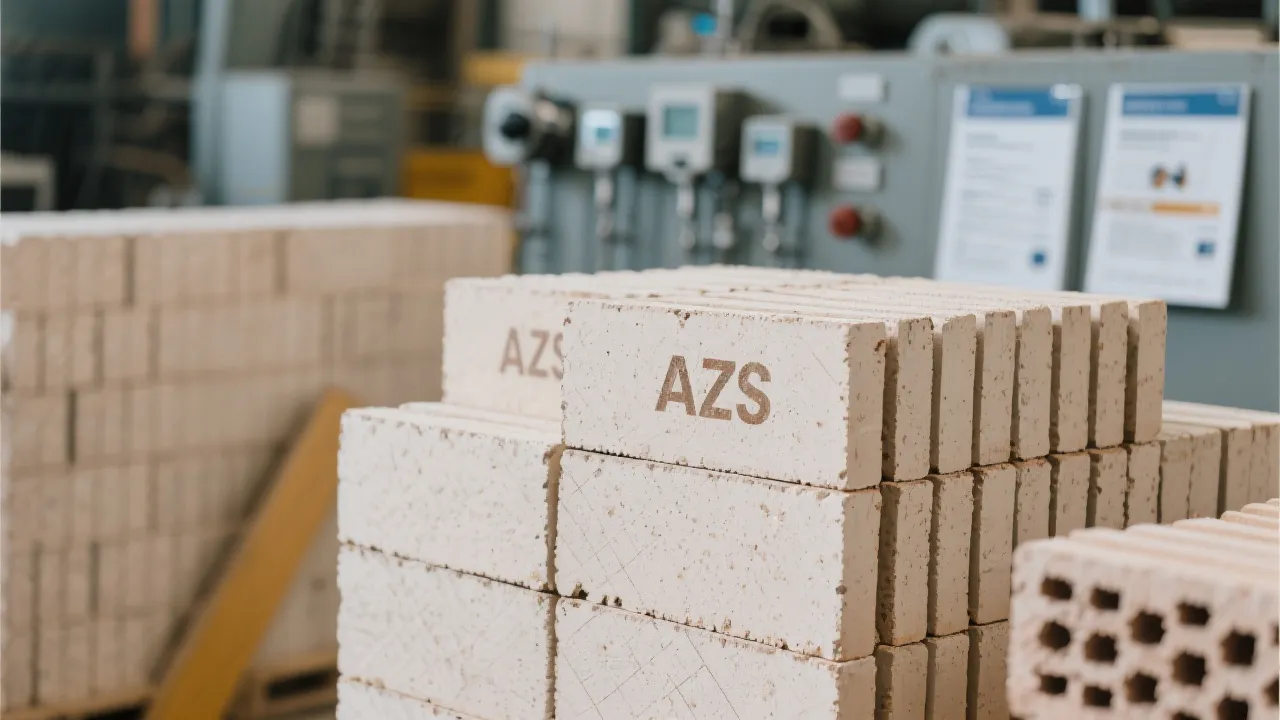
Not all AZS are created equal. Here’s what separates premium options like TY-AZS36D:
These specs aren’t arbitrary — they’re based on real-world testing across more than 30 countries. Our clients report up to 25% longer run cycles when using these optimized materials, directly translating into fewer unplanned outages and lower maintenance costs.
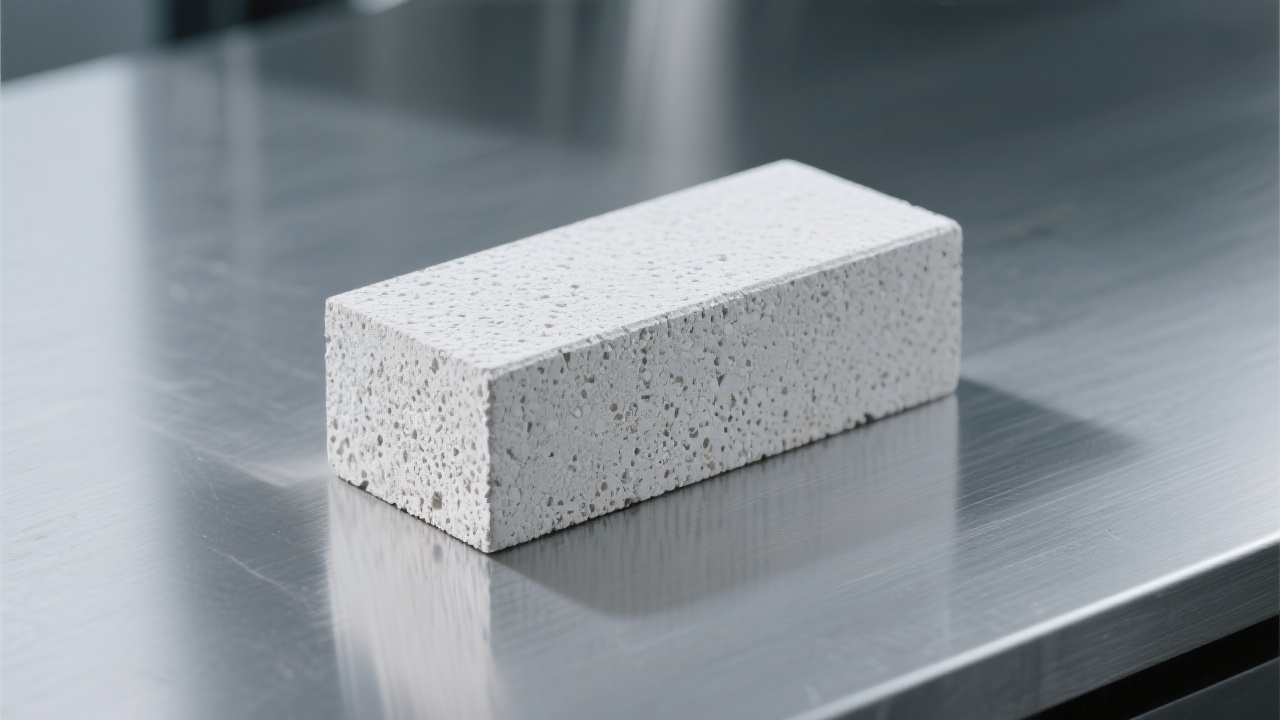
Instead of guessing, use this simple decision matrix:
| Zone | Recommended Material | Why? |
|---|---|---|
| High-Temp (1550–1600°C) | TY-AZS36D (Na₂O+K₂O ≤ 1.35%) | Maximizes resistance to crystallization and corrosion |
| Transition Zone (1300–1550°C) | Standard AZS (36% ZrO₂) | Balances cost and performance |
| Low-Temp (≤1300°C) | Fireclay or Mullite-based bricks | Cost-effective and thermally stable |

We’ve helped engineers in China, Germany, Saudi Arabia, and Brazil optimize their furnace lifespans through precise material matching — because no two glass lines are exactly alike.
If you're ready to reduce downtime, improve product consistency, and extend your kiln’s service life — we’ve got the data, the experience, and the right materials for your next upgrade.

 355
|
355
|
 AZS blocks lifespan
AZS block durability
zirconia corundum bricks
AZS blocks lifespan
AZS block durability
zirconia corundum bricks
 118
|
Electro - fused AZS cast blocks
Glass furnace wear - resistant materials
High - temperature corrosion - resistant materials
AZS cast block installation guide
Electro - fused AZS maintenance essentials
118
|
Electro - fused AZS cast blocks
Glass furnace wear - resistant materials
High - temperature corrosion - resistant materials
AZS cast block installation guide
Electro - fused AZS maintenance essentials
 280
|
AZS Cast Blocks
Fused AZS33
Glass Refractory Materials
Refractory Material Solutions
Glass Melting Furnace Components
280
|
AZS Cast Blocks
Fused AZS33
Glass Refractory Materials
Refractory Material Solutions
Glass Melting Furnace Components
 477
|
electrofused AZS 36 refractory brick
bulk density in refractories
apparent porosity in ceramics
ISO certified refractory materials
high temperature corrosion resistance
477
|
electrofused AZS 36 refractory brick
bulk density in refractories
apparent porosity in ceramics
ISO certified refractory materials
high temperature corrosion resistance
 139
|
AZS fused cast blocks
high-temperature applications
refractory materials
ISO certification
manufacturing process
quality standards
139
|
AZS fused cast blocks
high-temperature applications
refractory materials
ISO certification
manufacturing process
quality standards

.jpg?x-oss-process=image/resize,m_fill,h_200,w_200/format,webp)





.jpg?x-oss-process=image/resize,m_fill,h_200,w_200/format,webp)