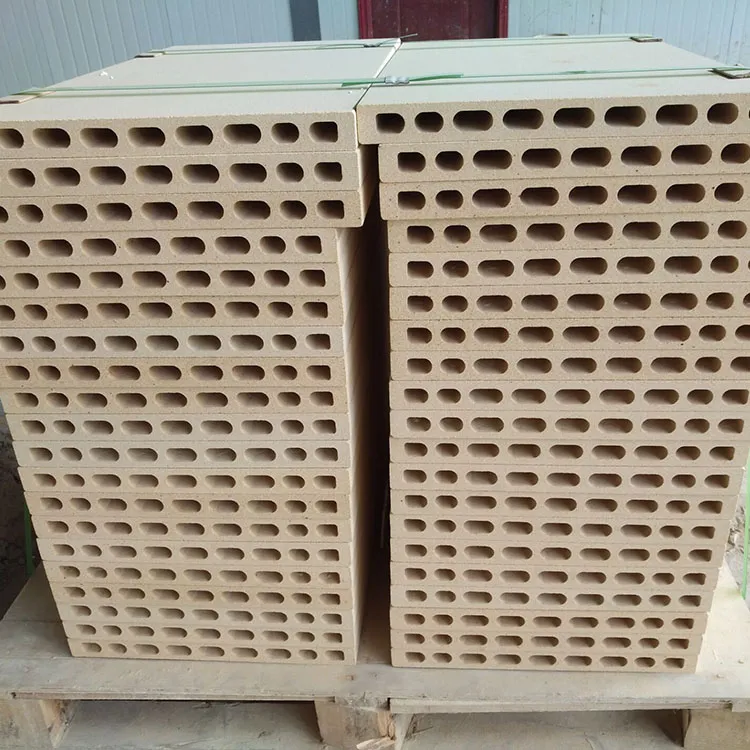
In high - temperature industrial kilns, the selection of refractory materials is crucial as it directly affects the efficiency, lifespan, and safety of the kiln. Fused AZS36 refractory bricks have emerged as a reliable solution in this field. However, before delving into the details of these bricks, it's important to understand the typical failure pain points in industrial kilns. For example, common refractory materials may experience rapid corrosion, cracking, or spalling under high - temperature and corrosive environments, leading to frequent maintenance and increased costs.
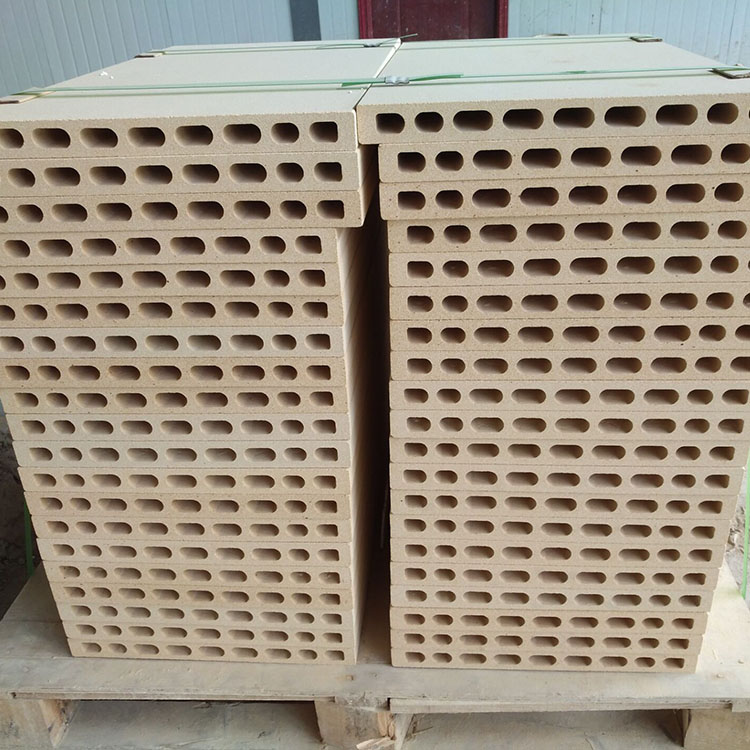
The importance of proper selection of refractory materials cannot be overstated. A wrong choice can result in unexpected shutdowns, production losses, and even safety hazards. Therefore, understanding the characteristics of fused AZS36 refractory bricks is essential for procurement officers, technical managers, and design decision - makers.
The chemical composition of fused AZS36 refractory bricks plays a key role in determining their refractory performance. The main components include Al₂O₃, ZrO₂, and SiO₂. Generally, the proportion of Al₂O₃ in these bricks is around 55 - 60%. Alumina provides high - temperature strength and resistance to chemical attack. ZrO₂, with a proportion of about 36%, enhances the refractoriness and corrosion resistance. It forms a stable zirconia phase, which can effectively prevent the penetration of molten glass and other corrosive substances.
SiO₂, usually around 20 - 25%, acts as a fluxing agent at high temperatures, promoting the formation of a glassy phase that helps to bond the other components together. The precise ratio of these three components is carefully controlled to achieve the best balance of properties.
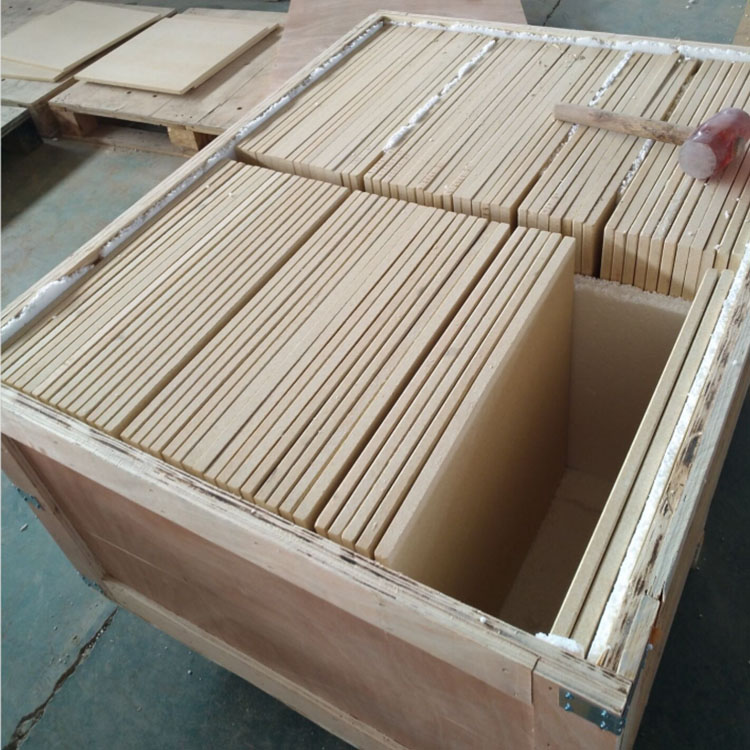
Volume density and apparent porosity are two important physical indicators that affect the durability and corrosion resistance of fused AZS36 refractory bricks. A higher volume density, typically around 3.3 - 3.5 g/cm³, indicates a more compact structure, which is beneficial for resisting mechanical stress and corrosion. The apparent porosity is usually less than 1%, meaning that there are fewer pores for corrosive substances to penetrate, thus improving the overall performance of the bricks.
The cold crushing strength of fused AZS36 refractory bricks is ≥300MPa, which provides excellent mechanical stability at room temperature. This high strength allows the bricks to withstand the pressure during installation and operation. In terms of high - temperature corrosion resistance, the corrosion rate is ≤1.3mm/24h. This low corrosion rate ensures a long service life in high - temperature and corrosive environments, such as in glass - melting furnaces.
Fused AZS36 refractory bricks that meet ISO international certification standards demonstrate a high - level quality control system. ISO certification ensures that the production process, from raw material selection to final product inspection, adheres to strict international standards. This not only guarantees the consistent quality of the products but also enhances the trust of customers in the global market. It also indicates that the manufacturer has the ability to meet the diverse needs of different industries and regions.
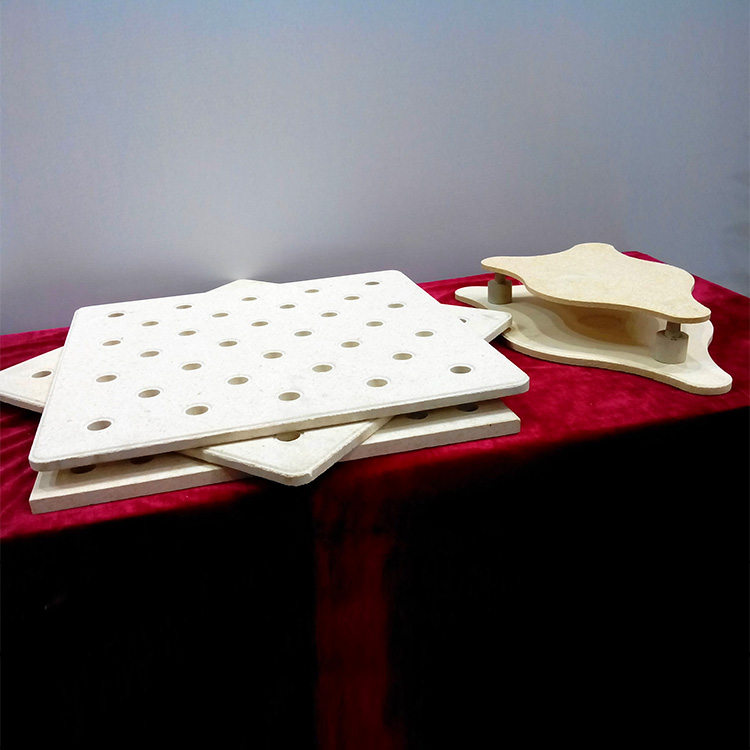
A comparison of the key performance indicators between fused AZS36 refractory bricks and common AZS bricks further highlights the advantages of the former. In terms of cold crushing strength, common AZS bricks may only reach 200 - 250MPa, while fused AZS36 bricks can achieve ≥300MPa. Regarding high - temperature corrosion resistance, common AZS bricks may have a corrosion rate of 1.5 - 2mm/24h, significantly higher than the ≤1.3mm/24h of fused AZS36 bricks.
| Performance Indicator | Fused AZS36 Refractory Bricks | Common AZS Bricks |
|---|---|---|
| Cold Crushing Strength | ≥300MPa | 200 - 250MPa |
| High - Temperature Corrosion Rate | ≤1.3mm/24h | 1.5 - 2mm/24h |
The glass phase precipitation temperature of fused AZS36 refractory bricks is an important factor in ensuring high - temperature stability. A higher glass phase precipitation temperature means that the bricks can maintain their structural integrity and performance at higher temperatures. Typically, the glass phase precipitation temperature of these bricks is above 1500°C, which allows them to operate stably in high - temperature industrial kilns.
If you want to learn more about the technical details of fused AZS36 refractory bricks or need professional advice, click here to get the technical manual or schedule a consultation with our experts.

 36
|
36
|
 high temperature kiln refractory lining
electric fused AZS brick TY-AZS36
corrosion resistant refractory materials
glass furnace brick selection
kiln lining optimization
high temperature kiln refractory lining
electric fused AZS brick TY-AZS36
corrosion resistant refractory materials
glass furnace brick selection
kiln lining optimization
.jpg?x-oss-process=image/resize,h_600,m_lfit/format,webp) 301
|
AZS bricks
high-temperature applications
refractory materials
fused alumina-zirconia-silicate
manufacturing process
quality standards
ISO certification
real-life cases
301
|
AZS bricks
high-temperature applications
refractory materials
fused alumina-zirconia-silicate
manufacturing process
quality standards
ISO certification
real-life cases
.jpg?x-oss-process=image/resize,h_600,m_lfit/format,webp) 101
|
Electrofused AZS TY - AZS41 refractory material
industrial furnace lining solution
high thermal shock resistance refractory
101
|
Electrofused AZS TY - AZS41 refractory material
industrial furnace lining solution
high thermal shock resistance refractory
 198
|
glass melting furnace refractory bricks
electrofused AZS brick
refractory lining maintenance
high-temperature corrosion resistance
extending AZS brick lifespan
198
|
glass melting furnace refractory bricks
electrofused AZS brick
refractory lining maintenance
high-temperature corrosion resistance
extending AZS brick lifespan
 128
|
Silicon Bricks
Blast Furnaces
High Temperature Applications
Industrial Materials
Steel Production
128
|
Silicon Bricks
Blast Furnaces
High Temperature Applications
Industrial Materials
Steel Production
.jpg?x-oss-process=image/resize,m_fill,h_200,w_200/format,webp)

.jpg?x-oss-process=image/resize,m_fill,h_200,w_200/format,webp)

.jpg?x-oss-process=image/resize,m_fill,h_200,w_200/format,webp)
.jpg?x-oss-process=image/resize,m_fill,h_200,w_200/format,webp)