https://shmuker.oss-accelerate.aliyuncs.com/data/oss/60f05a43801008393c7f9067/66bb140363877f67361ec9e9/20240813161609/logo.png

Advanced Corrosion Resistance of Fused AZS Brick TY-AZS36 for Frequent Sidewall Damage in Glass Melting Furnaces

2025-11-05
Sunrise
Tutorial Guide
Frequent sidewall damage in glass melting furnaces poses significant operational challenges. The fused AZS brick TY-AZS36, featuring a high-purity composition of Al₂O₃ (≥49%) and ZrO₂ (≥35.5%), a dense microstructure (apparent porosity ≤1.0%), and excellent thermal shock resistance (glass phase separation temperature ≥1400℃), effectively resists high-temperature corrosion and secondary reactions. This article provides a detailed technical analysis of TY-AZS36’s performance in critical zones such as sidewalls, throat, and electrode seals. Practical maintenance strategies, including temperature gradient management and routine thickness inspections, are also discussed to help operators extend furnace lifespan and reduce downtime costs. Supported by ISO certification and aligned with green manufacturing principles, the guide offers authoritative insights and actionable tips for industry professionals.
https://shmuker.oss-accelerate.aliyuncs.com/data/oss/20250124/58fe867712da1cccf5e2bd8408f767de/temp_sub_image_2_1737703246337.jpg

Addressing Frequent Damages in Glass Melting Furnace Sidewalls: An In-Depth Look at E-fused AZS Brick TY-AZS36

In the demanding environment of glass melting furnaces, sidewall damage caused by repeated high-temperature corrosion and thermal stress significantly impacts operational efficiency and maintenance costs. The innovative E-fused AZS Brick TY-AZS36 offers advanced material properties engineered to resist these harsh conditions, providing a robust solution for glass manufacturers seeking durability and longevity in furnace linings.

Material Composition and Microstructural Excellence

The core strength of TY-AZS36 lies in its carefully optimized chemical composition and microstructure:

Key Component Content (%) Benefits
Aluminum Oxide (Al₂O₃) ≥ 49% High refractoriness, improved heat resistance
Zirconium Oxide (ZrO₂) ≥ 35.5% Enhanced chemical stability, minimized corrosive interactions

Complementing this composition is the tight microstructure with an apparent porosity rate of ≤1.0%, ensuring minimal infiltration of molten glass and corrosive agents, and a superior cold crushing strength exceeding 150 MPa. This combination significantly mitigates erosion and mechanical failure risks under thermal cycling.

Thermal and Corrosion Resistance Performance

Industrial trials reveal that TY-AZS36 boasts a glass phase precipitation temperature greater than 1400°C, translating to outstanding thermal shock resistance critical for the high-temperature swings in furnace operation. Empirical data from continuous 24-hour high-temperature erosion tests demonstrate an average corrosion rate below 1.3 mm per day, outperforming standard AZS bricks by nearly 20%.

ISO Certification Highlight:
The TY-AZS36 series adheres to ISO 9001 quality management standards, reinforcing consistent manufacturing precision and environmental compliance, crucial for green manufacturing initiatives in refractory materials.

Application Insights and Field Performance

TY-AZS36’s applicability extends across critical furnace zones, including:

  • Sidewalls — where frequent mechanical and thermal stress frequently causes spalling and cracking.
  • Throat Areas — prone to chemical attack due to proximity to melting glass and air inflows.
  • Electrode Seals — requiring exceptional dimensional stability to prevent leakage.

Comparative field studies illustrate TY-AZS36’s superior performance, reducing emergency downtime by 30% and extending refractory lining lifespans by up to 25% relative to conventional fused AZS bricks.
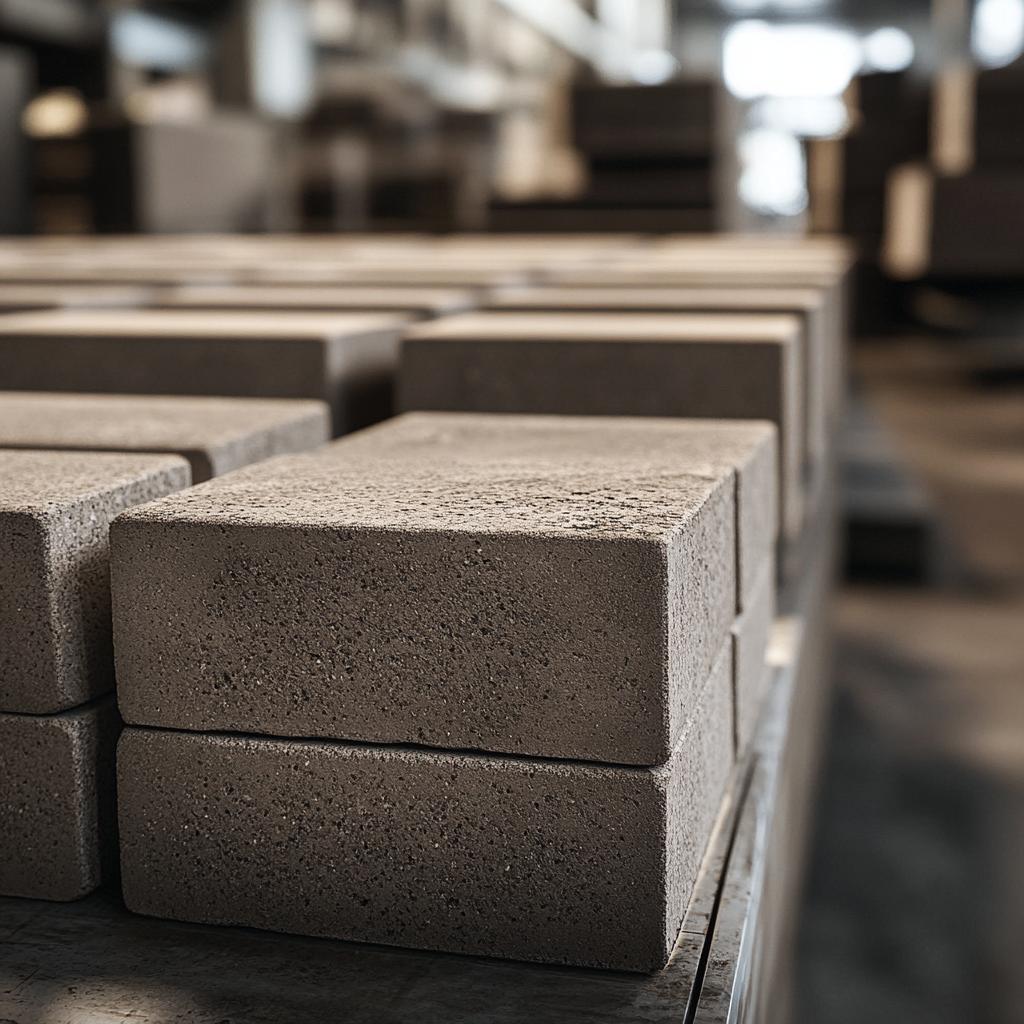
Diagram showing microstructure and porosity of E-fused AZS Brick TY-AZS36

Best Practices for Maintenance and Longevity Enhancement

To leverage the full benefits of TY-AZS36, a rigorous maintenance regime is essential. Recommended guidelines include:

  1. Temperature Gradient Control: Implement gradual heating and cooling cycles to minimize thermal shock stress.
  2. Routine Thickness Measurement: Employ ultrasonic or laser thickness gauging at scheduled intervals to detect early wear.
  3. Abnormal Spot Marking: Record and monitor hotspots or cracks promptly for targeted repairs.

Integrating these practices with TY-AZS36’s inherent chemical and physical resilience ensures maximized furnace uptime and significantly reduced replacement costs.
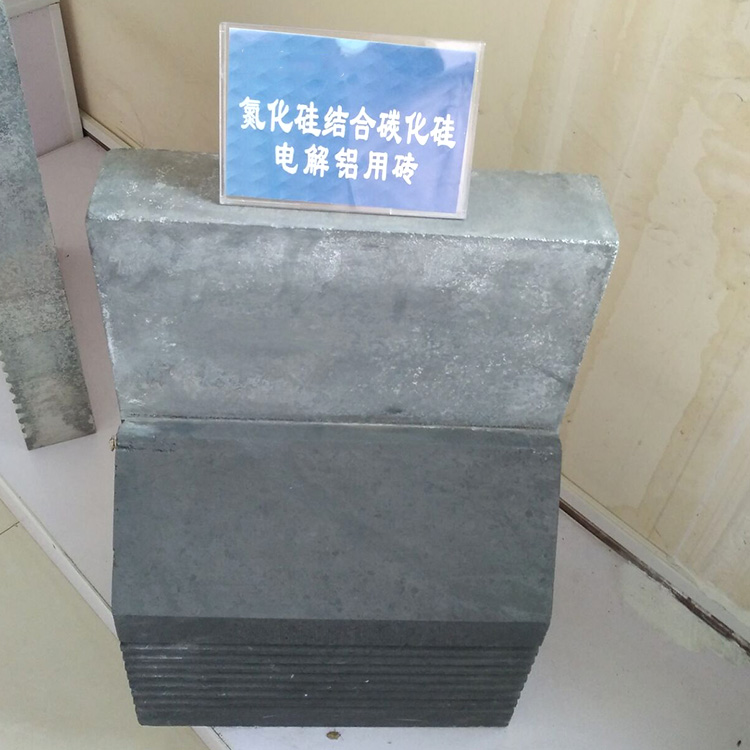
Operational monitoring and maintenance of glass furnace sidewall using TY-AZS36 refractory bricks

Explore the detailed technical parameters and maintenance tips of the TY-AZS36 – discover how to extend your furnace’s service life effectively.

Engage With Us

Have specific questions about applying TY-AZS36 in your facility or want guidance on troubleshooting refractory lining issues? Share your experiences or ask our technical specialists in the comments below.
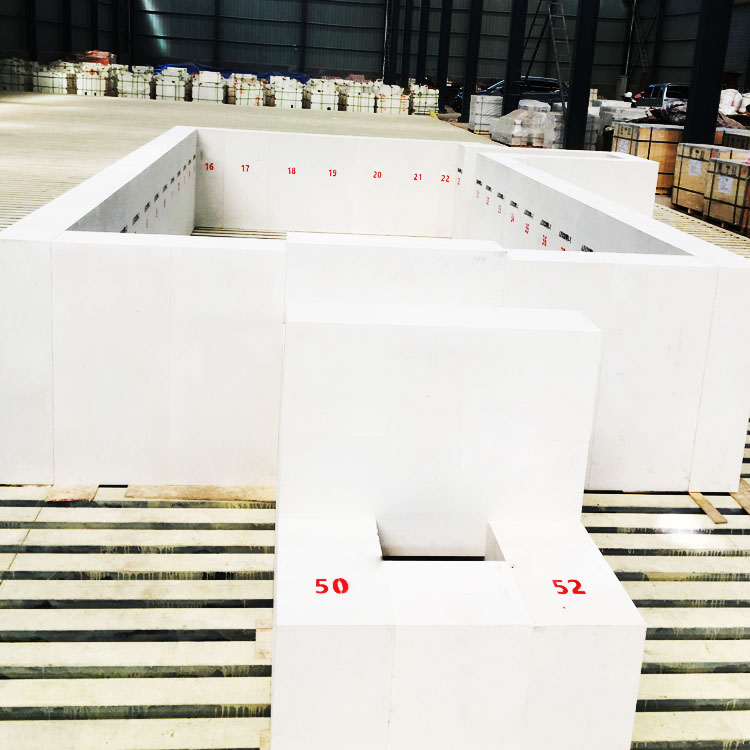
Visual comparison of refractory brick erosion in glass melting furnaces
Name *
Email *
Message*

Recommended Products

https://shmuker.oss-accelerate.aliyuncs.com/data/oss/60f05a43801008393c7f9067/66bb140363877f67361ec9e9/20240913100940/azs-crucible-blocks-2.png
Min.order:1 ton
https://shmuker.oss-accelerate.aliyuncs.com/data/oss/60f05a43801008393c7f9067/66bb140363877f67361ec9e9/20240913100940/azs-crucible-blocks-2.png
Min.order:1 ton
https://shmuker.oss-accelerate.aliyuncs.com/data/oss/60f05a43801008393c7f9067/66bb140363877f67361ec9e9/20240913100637/fused-cast-azs-yt-azs36-4.png
Min.order:1 ton
https://shmuker.oss-accelerate.aliyuncs.com/data/oss/60f05a43801008393c7f9067/66bb140363877f67361ec9e9/20240913100436/fused-cast-azs-ty-azs33-1.png
Min.order:1 ton
Hot Products
https://shmuker.oss-accelerate.aliyuncs.com/tmp/temporary/60ec5bd7f8d5a86c84ef79f2/60ec5bdcf8d5a86c84ef7a9a/thumb-prev.png
TOP
Contact us
Contact us