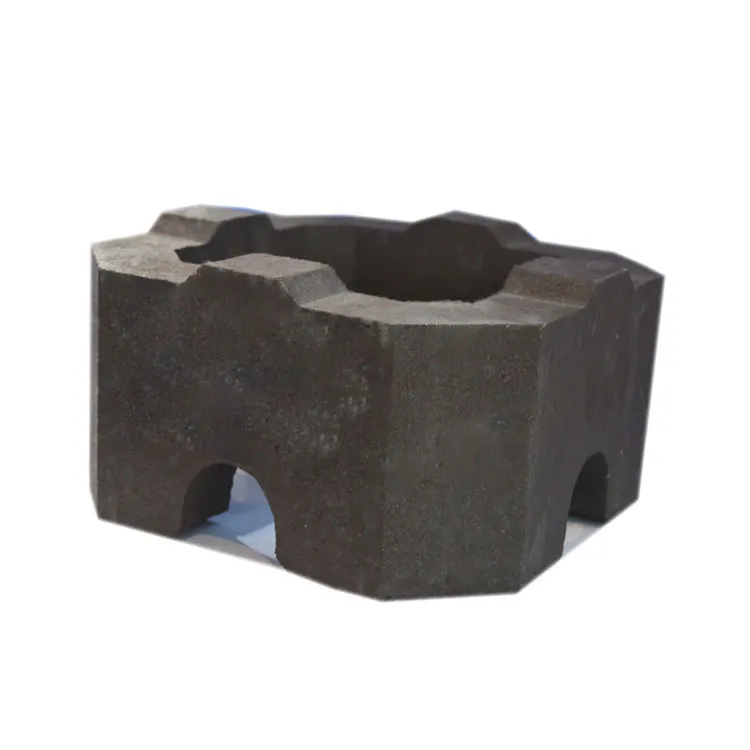
In the high-temperature environment of glass melting furnaces, the longevity and chemical stability of refractory materials are critical factors affecting operational efficiency and maintenance costs. Among these materials, the fused AZS (Alumina-Zirconia-Silica) refractory bricks, particularly the grade TY-AZS36, stand out due to their superior corrosion resistance and thermal shock properties. This article explores the microstructural basis for TY-AZS36's performance, its application within critical furnace zones, and practical maintenance strategies aimed at maximizing service life.
TY-AZS36 refractory bricks exhibit a carefully engineered chemical composition consisting of approximately 36% Al₂O₃ and 36% ZrO₂, accompanied by around 28% SiO₂. This optimized ratio leverages the intrinsic properties of these oxides to build a microstructure resistant to aggressive glass melts and volatile alkali compounds encountered inside the glass furnace.
The higher alumina content enhances mechanical strength and abrasion resistance, while zirconia plays a pivotal role in improving chemical inertness and thermal shock resistance. In particular, ZrO₂ stabilizes the microstructure by inhibiting grain growth at elevated temperatures, which mitigates crack formation during rapid temperature fluctuations.
| Chemical Component | Content (%) | Functional Role |
|---|---|---|
| Al₂O₃ (Alumina) | ~36% | Enhances strength, abrasion resistance |
| ZrO₂ (Zirconia) | ~36% | Improves corrosion resistance, thermal shock stability |
| SiO₂ (Silica) | ~28% | Provides chemical stability, compatibility with molten glass |
The strategic deployment of TY-AZS36 bricks in key furnace zones — including sidewalls, vent ports, throat sections, and electrode seals — significantly reduces corrosion-induced degradation. These areas are subject to both intense thermal gradients and chemical erosion from molten glass and alkali vapors.
Field case studies reveal that furnaces lined with TY-AZS36 exhibit over 25% longer service intervals before requiring maintenance compared to conventional silica or alumina bricks. The brick’s ability to sustain thermal shock enables maintenance teams to avoid costly unscheduled shutdowns caused by crack propagation.
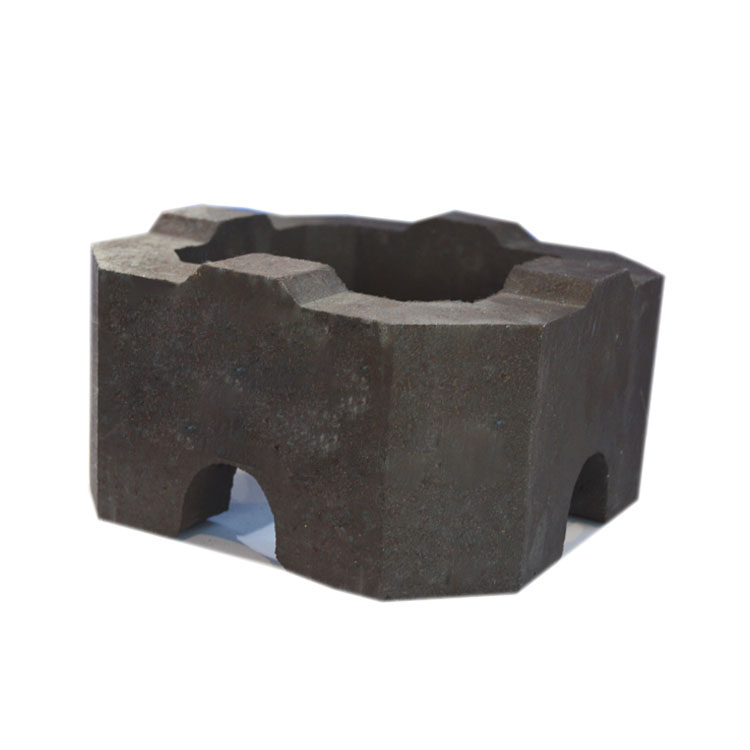
Despite its robustness, TY-AZS36 bricks can experience accelerated failure if subjected to unmanaged thermal cycling or chemical attack beyond design thresholds. Typical defects include spalling, grain boundary corrosion, and localized vitrification.
These failures often root in uneven temperature gradients, exposure to high alkali vapor concentrations, and mechanical impacts during operation. Identifying these contributory factors through routine inspections is essential for mitigating premature wear.
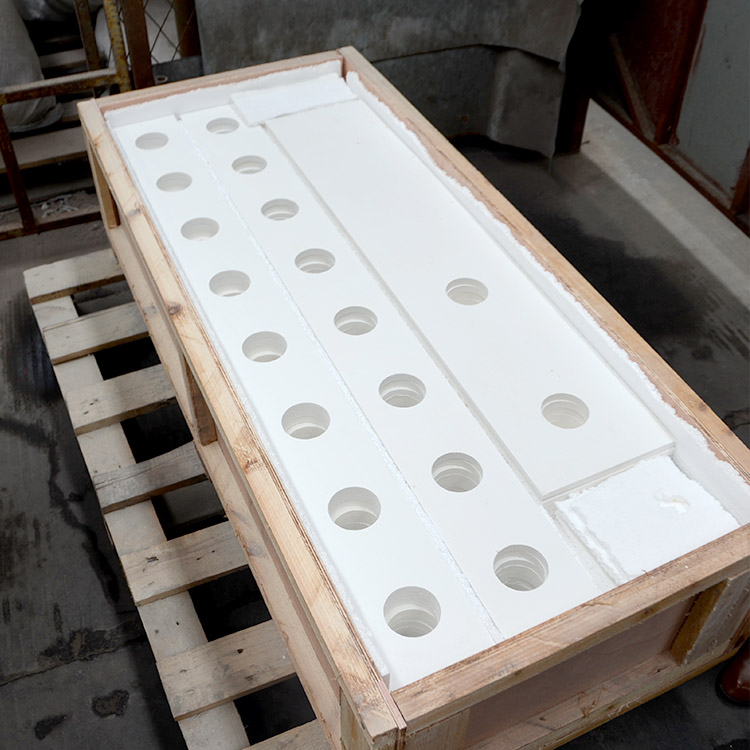
Effective maintenance regimes for TY-AZS36 brick-lined furnaces emphasize temperature gradient control, regular ultrasonic thickness gauging, and early detection of abnormal wear points. These strategies help extend service life by 10-15%, reducing unplanned repair downtime.
Temperature gradient management involves gradual preheating and cooling processes to minimize thermal shock stress. Digital monitoring systems can alert operators to deviations exceeding safe limits. Meanwhile, scheduled inspections using non-destructive testing detect early signs of corrosion or cracks.
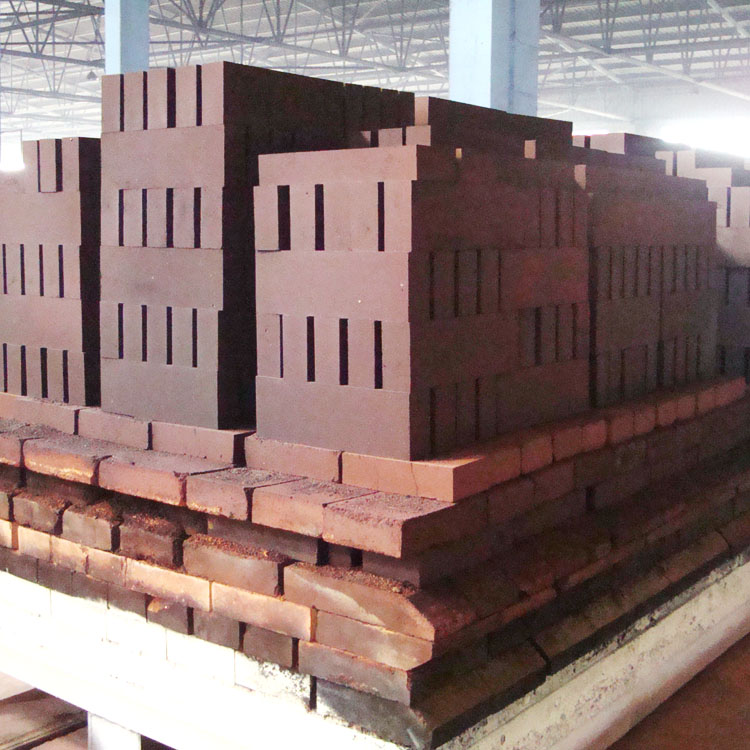
TY-AZS36 refractories comply with ISO 9001 and industry-specific quality certifications, affirming their manufacturing consistency and material integrity. These standards are critical for international procurement and ensure traceability and reliability in supply chains.
Adherence to global trade regulations and conformity with testing protocols safeguards clients against supply risks and guarantees performance parameters under stringent operating conditions.