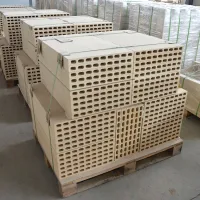
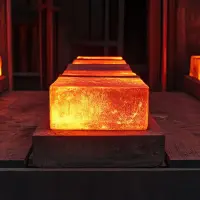
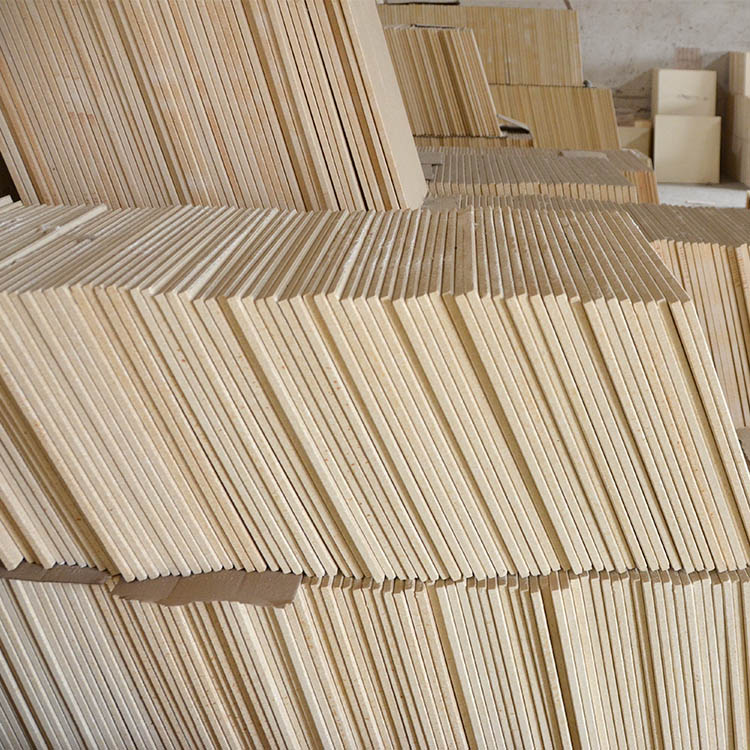
The fused AZS36 refractory brick stands out in the high-temperature industrial sector due to its superior chemical purity and mechanical robustness. Tailored for glass melting furnaces and other extreme thermal environments, these bricks consistently deliver reliable performance that aligns with stringent international export requirements. Central to this assurance is the ISO certification, which corroborates the product's compliance with globally recognized quality standards.
The defining feature of the fused AZS36 refractory brick lies in its chemical composition, particularly the proportions of alumina (Al₂O₃) and zirconia (ZrO₂). Industry benchmarks indicate that an Al₂O₃ content typically exceeds 35%, while ZrO₂ ranges around 32-34%, granting the brick exceptional resistance to corrosive slags and thermal shock. This precise chemical balance contributes directly to volume density parameters, generally achieving around 3.4 to 3.5 g/cm³, and a low apparent porosity of less than 15%, indicators critical for withstanding erosive furnace environments.
| Property | Typical Value | Industry Significance |
|---|---|---|
| Al₂O₃ Content | ≥ 35% | Enhances corrosion resistance |
| ZrO₂ Content | 32-34% | Improves thermal shock resistance |
| Bulk Density | 3.4 - 3.5 g/cm³ | Indicates structural integrity |
| Apparent Porosity | ≤ 15% | Reduces infiltration and degradation |
Cold crushing strength (CCS) is a pivotal metric in grading fused AZS36 bricks. Values typically range between 90 and 120 MPa, reflecting the brick's ability to maintain structural stability under mechanical loads during furnace operation. Equally important is the material's resilience to high-temperature corrosion; withstanding attack from molten glass and other aggressive slags ensures extended service life and reduced downtime.
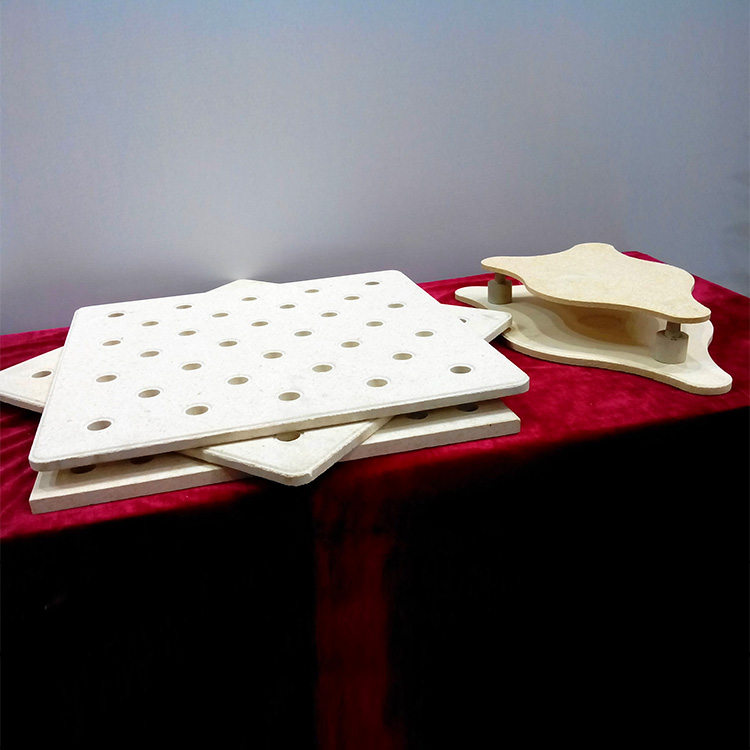
ISO certification serves as an authoritative endorsement that fused AZS36 refractory bricks consistently meet rigorous quality protocols. The certification encompasses assessment criteria such as chemical uniformity, thermal stability, dimensional accuracy, and performance under simulated operational conditions. For exporters and buyers alike, this ensures that the refractory bricks align with international standards, mitigating risks related to substandard products and regulatory non-compliance.
Furthermore, ISO standards facilitate cross-border transactions by providing a universally recognized quality framework, essential for clients sourcing in regions with stringent technical and safety regulations.
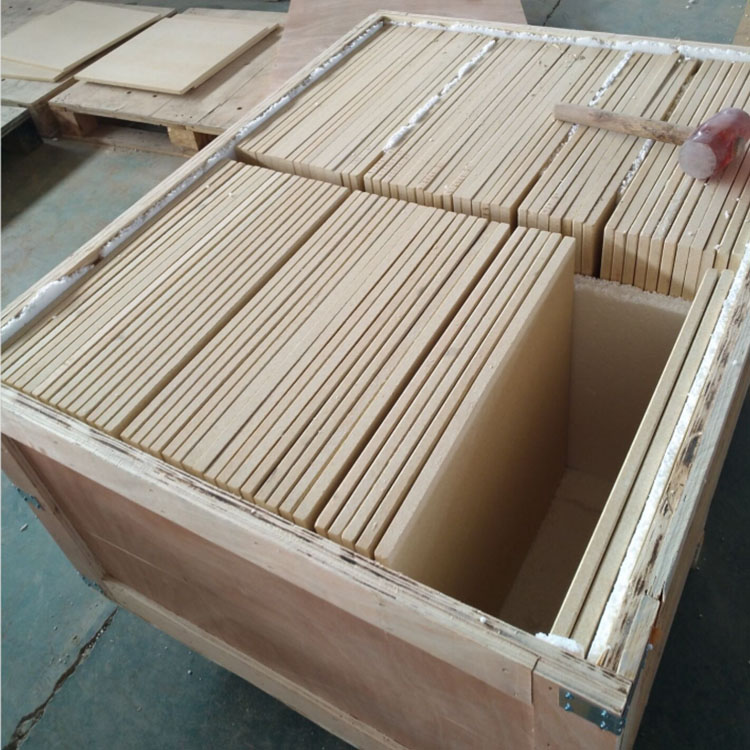
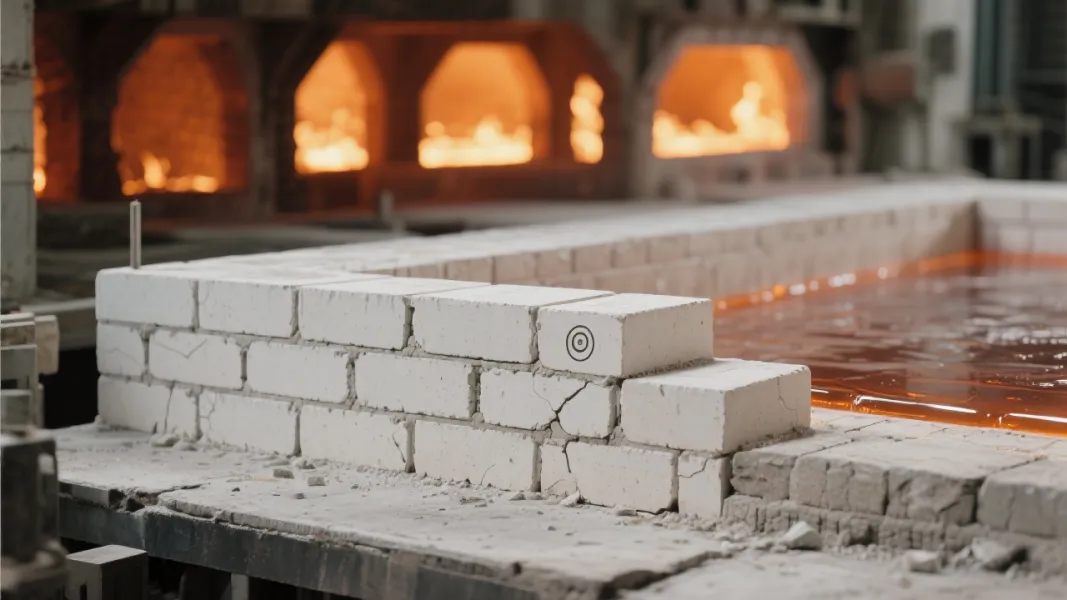
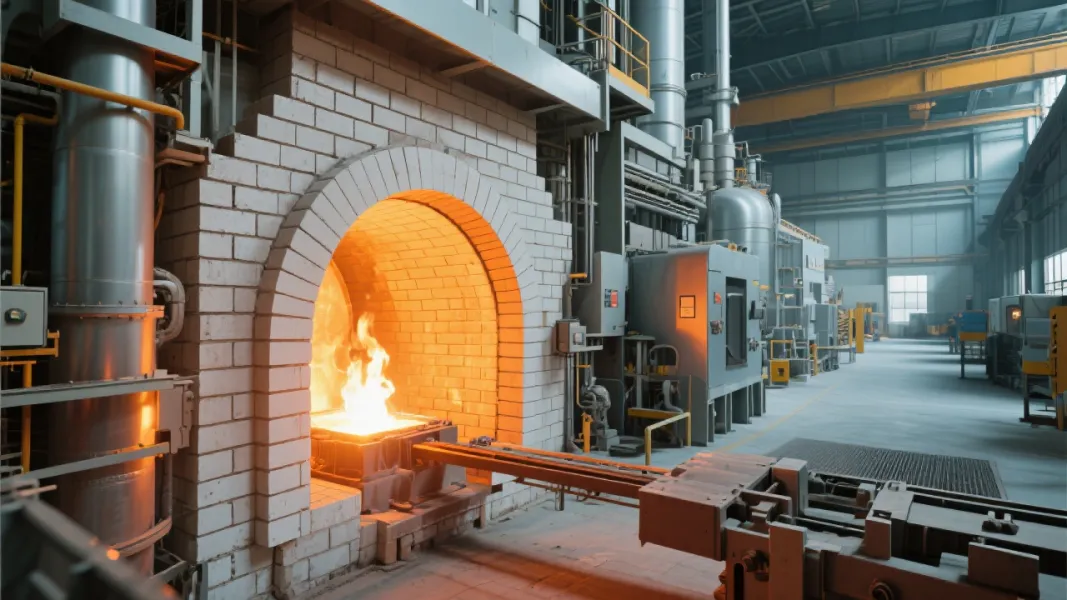
In real-world glass melting operations, fused AZS36 refractory bricks act as the primary defense against thermal and chemical stresses. Their high density and low porosity minimize infiltration by molten glass and aggressive chemical compounds, while the balance of alumina and zirconia provides excellent resistance against spalling and deformation. Plant engineers rely on these attributes to prevent unscheduled shutdowns and optimize furnace cycles.
Technical case studies have shown that furnaces lined with ISO-certified AZS36 bricks report a significantly lower incidence of refractory failure and improved energy efficiency compared to non-certified alternatives, underscoring the material’s critical performance advantage.

 163
|
163
|
 AZS bricks
high-temperature refractory materials
fused alumina-zirconia-silicate
manufacturing processes
ISO international certification
high-temperature furnace application cases
AZS bricks
high-temperature refractory materials
fused alumina-zirconia-silicate
manufacturing processes
ISO international certification
high-temperature furnace application cases
 217
|
AZS castable tools
construction equipment
refractory materials
217
|
AZS castable tools
construction equipment
refractory materials
.jpg?x-oss-process=image/resize,h_600,m_lfit/format,webp) 333
|
Electric-fused AZS TY - AZS41
High-temperature sintering process advantages
Industrial kiln lining applications
333
|
Electric-fused AZS TY - AZS41
High-temperature sintering process advantages
Industrial kiln lining applications
 166
|
Fused AZS cast blocks
Glass furnace wear - resistant materials
High - temperature corrosion - resistant materials
Al₂O₃ - ZrO₂ - SiO₂ composition ratio
Furnace material applications
166
|
Fused AZS cast blocks
Glass furnace wear - resistant materials
High - temperature corrosion - resistant materials
Al₂O₃ - ZrO₂ - SiO₂ composition ratio
Furnace material applications
 127
|
AZS nozzle blocks
sustainable development in glass manufacturing
high - refractory materials
energy conservation in glass production
corrosion - resistant refractory materials
127
|
AZS nozzle blocks
sustainable development in glass manufacturing
high - refractory materials
energy conservation in glass production
corrosion - resistant refractory materials


.jpg?x-oss-process=image/resize,m_fill,h_200,w_200/format,webp)