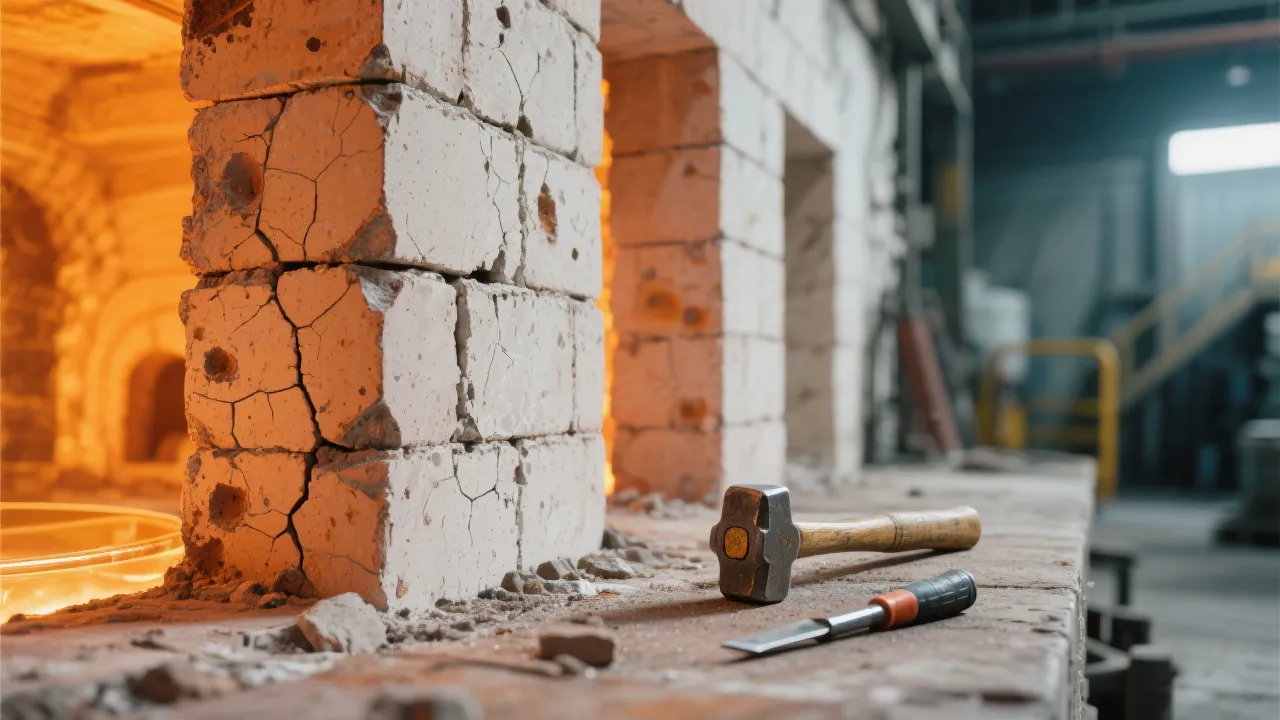
The sidewall of the bottle furnace is widely recognized among frontline engineers as a high-risk area for refractory material degradation. This vulnerability stems from its constant exposure to aggressive chemical attack, mechanical abrasion from molten glass flow, and cyclical thermal stresses due to fluctuating operational temperatures. Understanding this complex environment is fundamental for selecting and maintaining refractory linings that ensure long-term furnace stability and optimal glass quality.
Analyzing failure modes in bottle furnace sidewalls reveals three dominant mechanisms undermining refractory integrity:
These failure mechanisms frequently interrelate, compounding damage severity. Practical engineering guidelines must address all three to achieve sustainable durability.
“From my daily inspections, chemical corrosion combined with poor mechanical resistance is the main culprit behind frequent maintenance shutdowns. Prioritizing material specification can drastically reduce these incidents.” – Senior Refractory Engineer
Selecting the optimal refractory product is pivotal. Technical data from extensive field trials endorse refractories with these core properties:
| Property | Recommended Target | Impact on Durability |
|---|---|---|
| Zirconia (ZrO₂) Content | ≥ 35.5% | Enhances chemical resistance against glass melt corrosion |
| Porosity | ≤ 2.0% | Reduces glass infiltration and mechanical weakening |
| Compressive Strength | ≥ 300 MPa | Improves resistance to mechanical stress and thermal cracking |
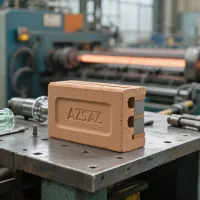
The electric fusion AZS TY-AZS36D formulation consistently meets these thresholds, earning its reputation as a premier solution for bottle furnace sidewalls.
Beyond material choice, the physical architecture of the refractory lining profoundly influences its lifespan. Frontline engineers recommend:
Implementation of these design features significantly curtails mechanical and thermal damage while supporting easier maintenance cycles.
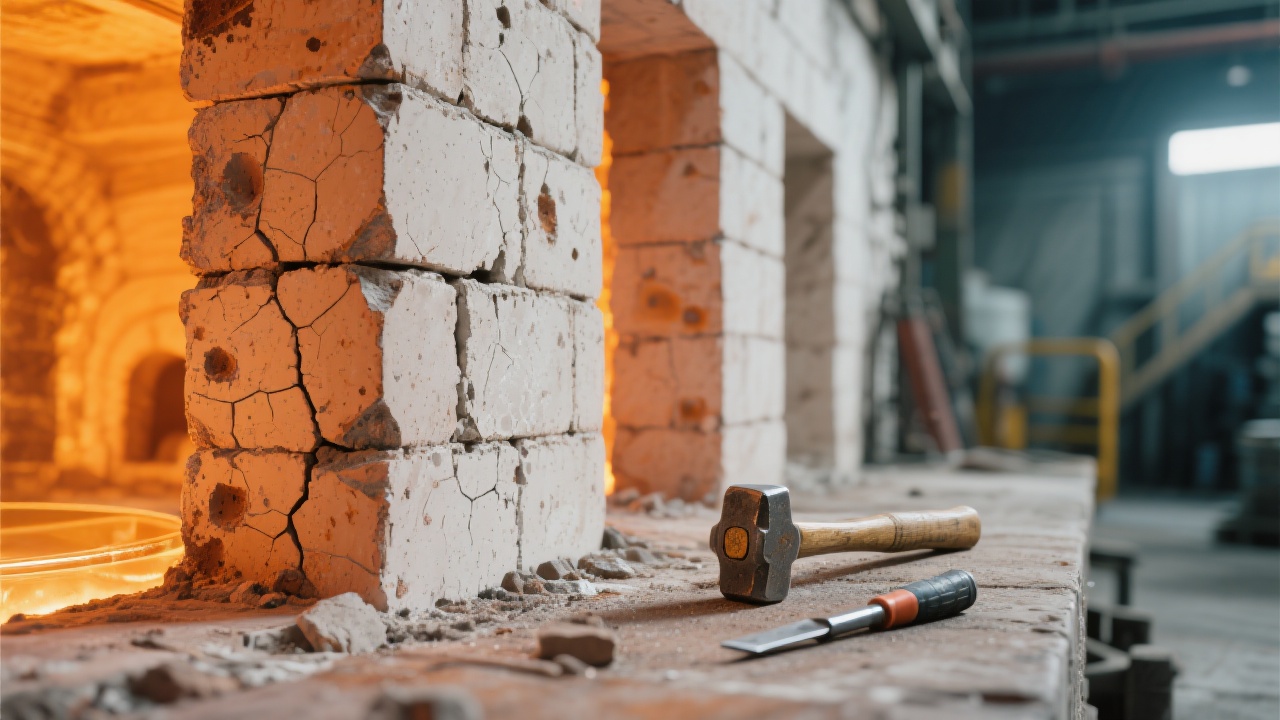
Effective maintenance relies on systematic monitoring protocols to detect early signs of wear. Key practices include:
These practices empower operational teams to preemptively address risks, reducing unscheduled downtime.
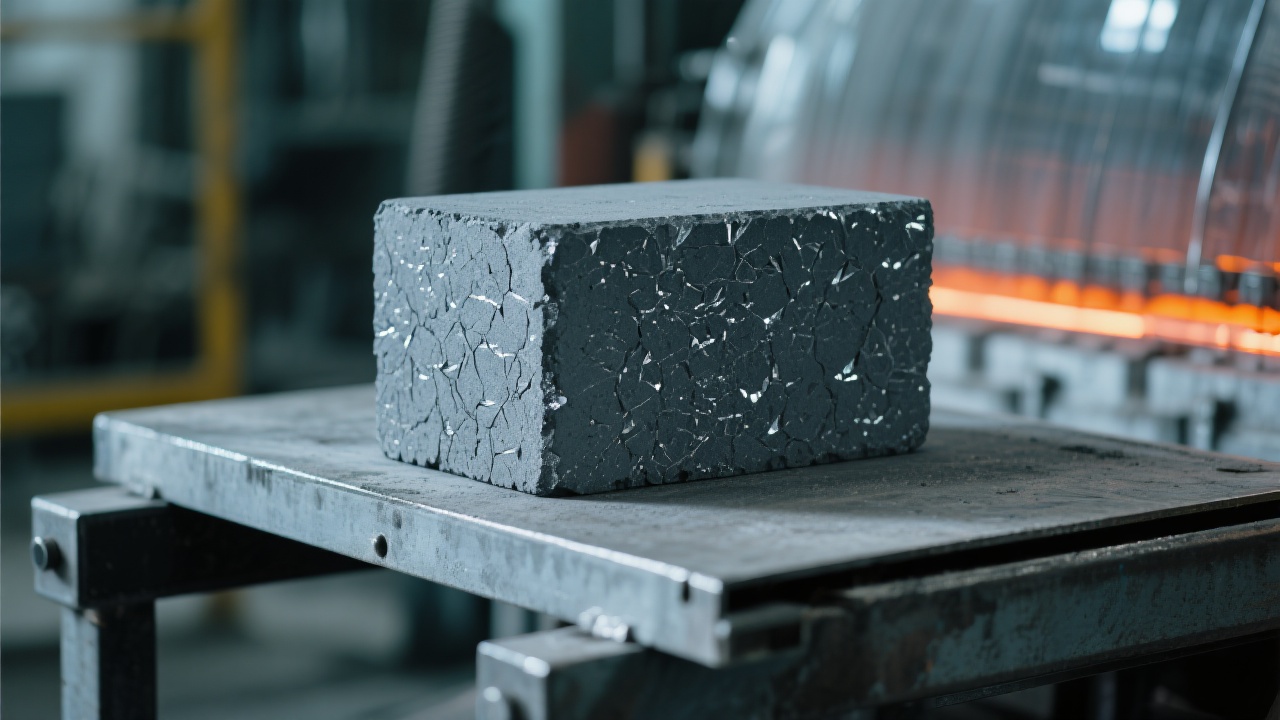
A leading glass manufacturer faced recurring slag build-up due to selecting low-ZrO₂ content refractory bricks. This resulted in premature lining failure and costly furnace shutdowns. Post-investigation, the plant switched to electric fusion AZS TY-AZS36D bricks, coupled with enhanced inspection routines. Within a year, the frequency of buildup incidents dropped by over 60%, furnace availability improved by 15%, and maintenance costs decreased substantially.
This example demonstrates how targeted material upgrades combined with disciplined maintenance unlock operational excellence.
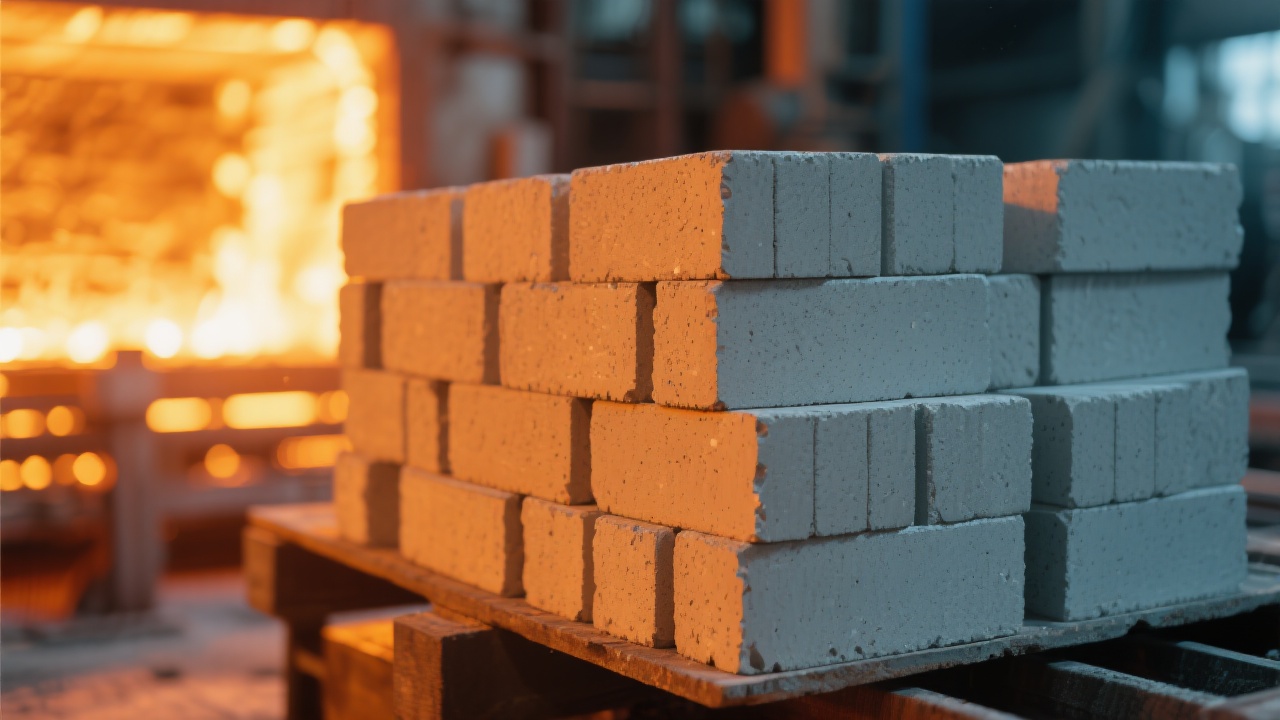

 377
|
377
|
 fused AZS bricks
refractory materials
cold crushing strength 300MPa
high-temperature corrosion resistance
ISO certification
fused AZS bricks
refractory materials
cold crushing strength 300MPa
high-temperature corrosion resistance
ISO certification
 74
|
Fused AZS TY - AZS33
microstructure benefits
glass melting furnace
alumina-zirconia-silica
efficient glass production
74
|
Fused AZS TY - AZS33
microstructure benefits
glass melting furnace
alumina-zirconia-silica
efficient glass production
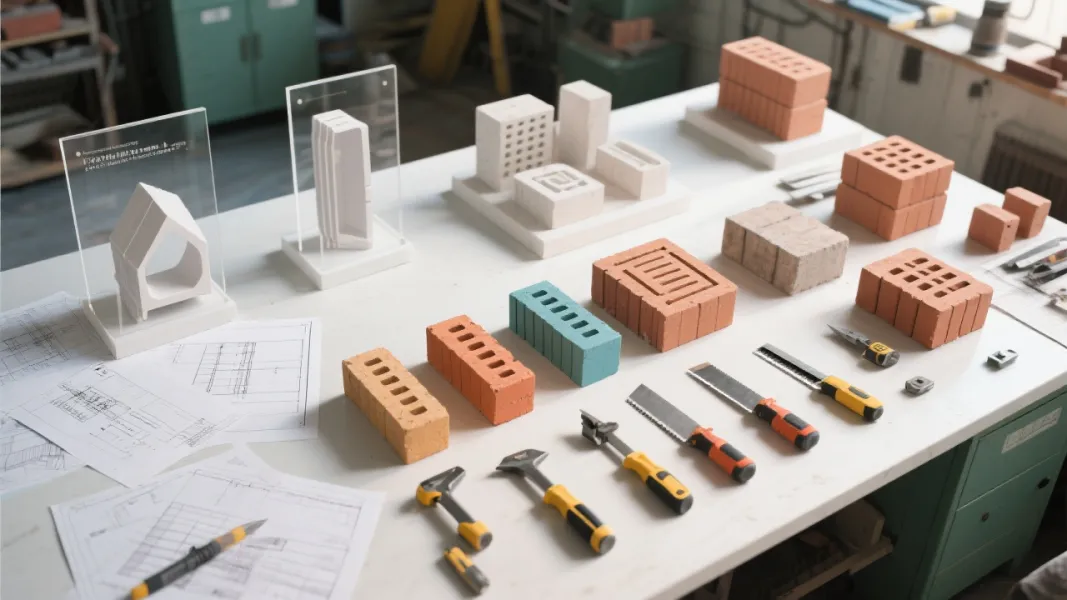 118
|
Electro - fused AZS cast blocks
Glass furnace wear - resistant materials
High - temperature corrosion - resistant materials
AZS cast block installation guide
Electro - fused AZS maintenance essentials
118
|
Electro - fused AZS cast blocks
Glass furnace wear - resistant materials
High - temperature corrosion - resistant materials
AZS cast block installation guide
Electro - fused AZS maintenance essentials
 256
|
AZS cast blocks
glass manufacturing
technical applications
fused cast materials
glass industry
256
|
AZS cast blocks
glass manufacturing
technical applications
fused cast materials
glass industry
.jpg?x-oss-process=image/resize,h_600,m_lfit/format,webp) 420
|
AZS crucible bricks
high-performance refractory materials for glass furnaces
customizable AZS crucible bricks
420
|
AZS crucible bricks
high-performance refractory materials for glass furnaces
customizable AZS crucible bricks

.jpg?x-oss-process=image/resize,m_fill,h_200,w_200/format,webp)
.jpg?x-oss-process=image/resize,m_fill,h_200,w_200/format,webp)