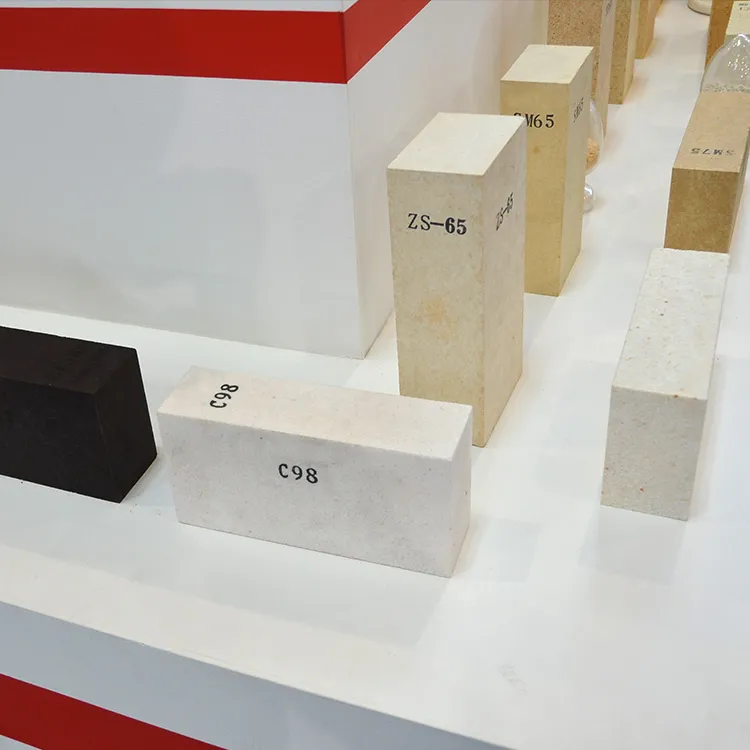
High-temperature industrial furnaces, especially glass melting kilns, demand refractory linings that harmonize chemical stability, thermal shock resistance, and corrosion durability. Among materials that meet these stringent criteria, the electro-fused AZS brick, specifically the TY-AZS36 variant, distinguishes itself by its optimized chemical composition and microstructure. This article provides engineers, technical specialists, and procurement decision-makers with a practical deep-dive into the key performance parameters for refractory linings, emphasizing how to leverage material properties for enhancing furnace longevity and energy efficiency.
The foundation of refractory selection lies in understanding how chemical and physical properties affect service behavior under extreme conditions. The TY-AZS36 electro-fused brick comprises approximately 72% alumina (Al₂O₃), 25% zirconia (ZrO₂), and 3% silica (SiO₂), engineered to maximize corrosion resistance against molten glass. This precise balance curbs chemical degradation while maintaining dimensional stability.
| Property | Typical Value | Industry Target |
|---|---|---|
| Bulk Density (g/cm³) | 3.55 | ≥ 3.50 |
| Open Porosity (%) | 6.1 | ≤ 7.0 |
| Modulus of Rupture (MPa) | 40 | ≥ 35 |
A higher bulk density minimizes penetration by molten glass and aggressive chemical agents, which, when combined with low porosity, significantly reduces erosion and prolongs brick life.
Glass melting furnaces undergo frequent and rapid temperature fluctuations, imposing intense thermal stress on refractory linings. TY-AZS36 bricks are engineered to exhibit excellent thermal shock resistance (TSR), reflected in their ability to withstand over 25 cycles of heating-cooling between 1500°C and room temperature without cracking.
This resilience is attributed to the unique microstructure with fine-grained mullite and zirconia phases distributed uniformly, enhancing toughness and thermal expansion compatibility with adjacent materials. Compared to traditional fused cast AZS bricks, the electro-fused variant records up to 15% longer service life under cyclic thermal shock conditions.
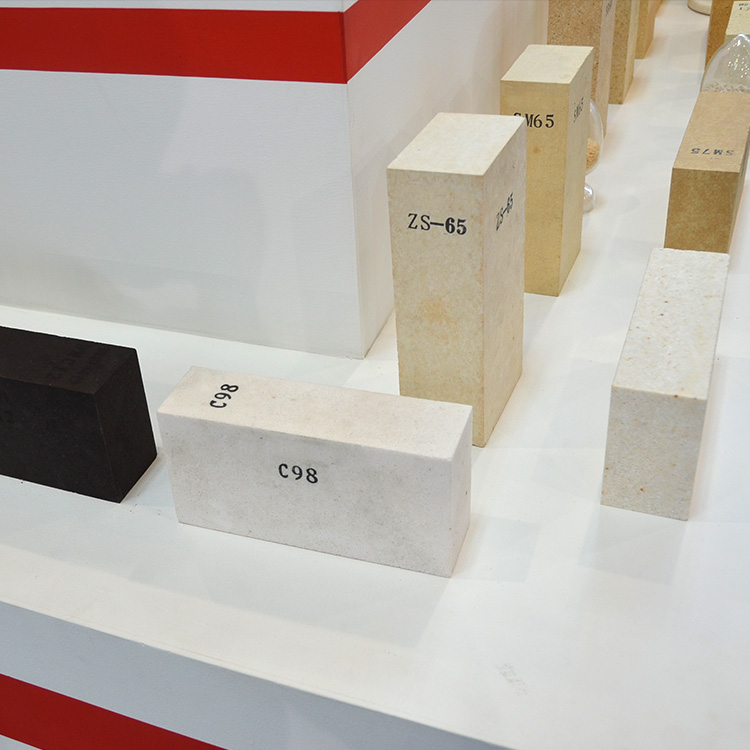
Corrosive attack by molten glass and alkali vapors is a critical challenge limiting furnace uptime. The TY-AZS36 brick’s enhanced zirconia content forms a durable protective barrier that drastically reduces glass penetration and chemical degradation, maintaining mechanical integrity over extended periods.
Independent laboratory tests report a corrosion resistance index exceeding 90% after 3000 hours of exposure to simulated molten glass environments, outperforming competitive materials by approximately 20%.
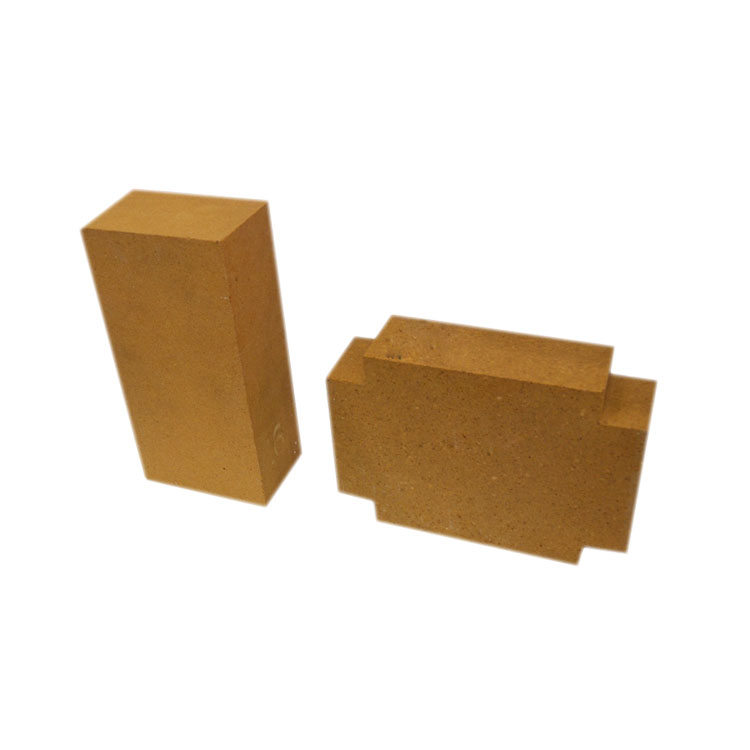
Selecting the optimal refractory depends on balancing cost, performance, and compatibility with furnace design. For glass melting kilns operating near 1600°C, the TY-AZS36 electro-fused AZS brick emerges as an ideal candidate when priorities include:
Integrating these materials into furnace hot zones requires involve precision installation protocols and regular thermal profiling to detect early signs of wear or damage, enabling proactive maintenance that extends refractory service life by an estimated 20-25%.
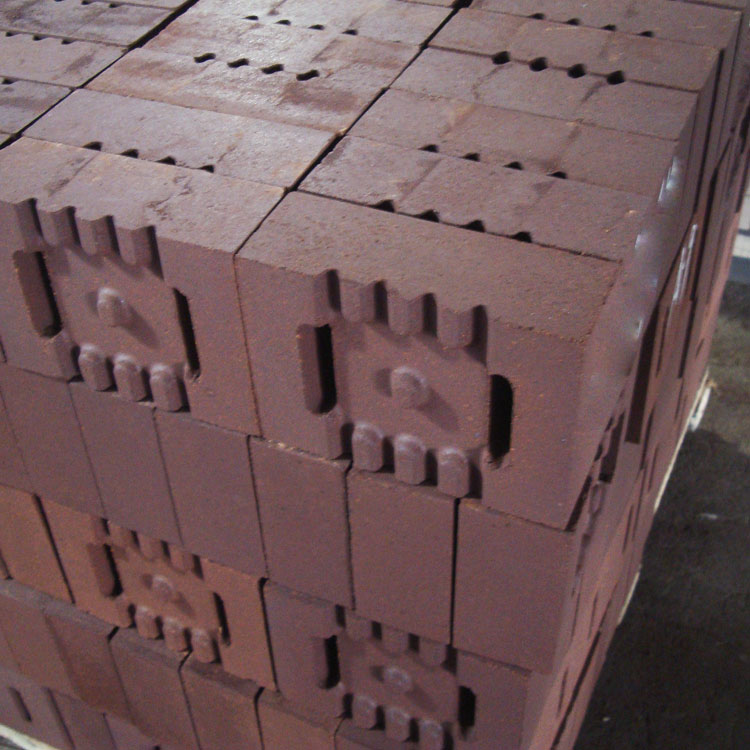
Common challenges in refractory lining performance surface as premature thermal shock cracks, corrosion-induced erosion, and material spalling. The electro-fused AZS TY-AZS36 mitigates these issues by:
| Industrial Challenge | How TY-AZS36 Delivers |
|---|---|
| Thermal Shock Cracking | Optimized microstructure reduces internal stress accumulation |
| Corrosion by Molten Glass | High zirconia content enhances chemical inertness |
| Spalling and Material Loss | High density limits infiltration and mechanical degradation |
Following best practices such as controlled cooling cycles and routine lining inspections further amplifies the benefits of using TY-AZS36 bricks, making it the material of choice for reducing total cost of ownership.
For glass manufacturers seeking to enhance furnace efficiency and operational uptime, the TY-AZS36 electro-fused AZS brick offers a proven balance of chemical resistance, thermal durability, and mechanical strength. Technical teams can request in-depth product datasheets, performance benchmarks, and tailored installation guidance to integrate this premium refractory solution seamlessly.
Discover TY-AZS36 Electro-Fused AZS Brick – Elevate Your Glass Melting Furnace Today