You know the drill—your furnace runs smoothly until one day, a hot spot appears on the sidewall. Then comes the downtime, the cost of emergency repairs, and the stress of lost production. But what if you could predict and prevent this? Let’s walk through how electric fused AZS brick TY-AZS36—with its high purity (Al₂O₃ ≥49%, ZrO₂ ≥35.5%) and ultra-low porosity (≤1%)—can help you extend lining life by up to 30% while reducing unexpected shutdowns.
In today’s competitive glass manufacturing landscape, every hour of uninterrupted operation counts. According to industry data from the International Commission on Glass, over 60% of unplanned furnace outages stem from refractory failure—not mechanical issues or raw material problems. That’s where smart maintenance becomes your secret weapon.
| Maintenance Step | Key Benefit | Expected Outcome |
|---|---|---|
| Temperature Gradient Monitoring | Prevents thermal shock cracks | Reduces premature spalling by 40% |
| Regular Thickness Measurement | Detects thinning early | Avoids catastrophic failure before scheduled outage |
| Cold Pressure Strength Tracking | Indicates structural integrity loss | Enables proactive replacement planning |
TY-AZS36 isn’t just another brick—it’s engineered for performance. With a bulk density of ≥3.85 g/cm³ and minimal open pores (<1%), it resists molten glass penetration better than standard castables. In lab tests under continuous 1550°C exposure, the erosion rate was measured at ≤1.3 mm/24h—a figure that translates directly into longer service life in real-world operations.
And here’s the kicker: consistent monitoring allows you to catch subtle signs like glass phase crystallization or localized temperature spikes before they become major issues. This isn’t just theory—it’s practice used successfully in plants across Europe and the Middle East.
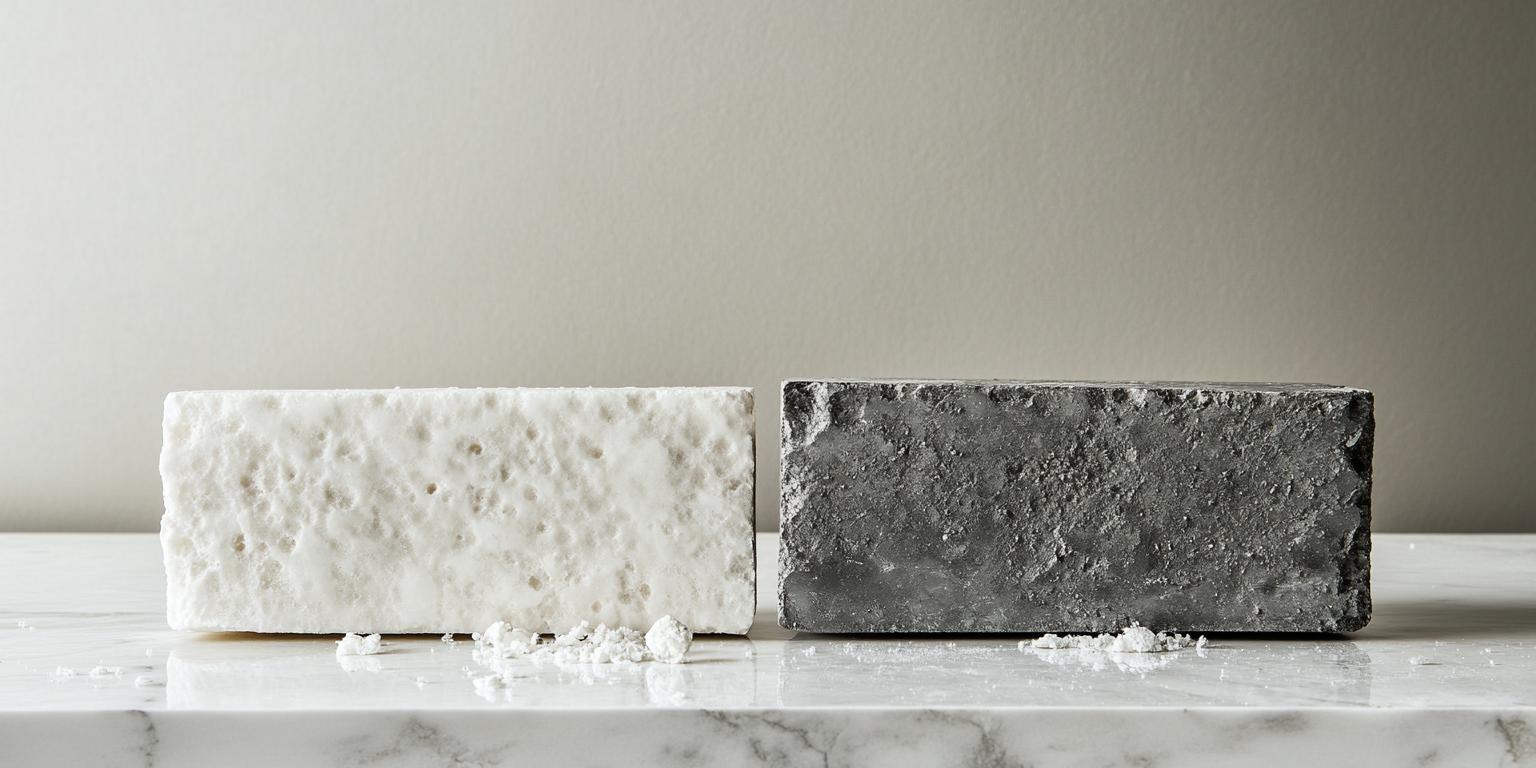
Start small: implement a daily inspection checklist focused on critical areas—side walls, throat zones, and electrode seals. Track thickness monthly using ultrasonic gauges. Mark any area showing more than 10% reduction in thickness. These simple steps create a feedback loop that turns reactive fixes into predictive strategy.
Remember, it’s not about replacing bricks faster—it’s about making each one last longer. Whether you’re managing a flat glass line or a specialty container plant, these principles apply. And when done right, you’ll see measurable improvements in energy efficiency, reduced emissions, and fewer production interruptions.
Ready to turn maintenance from a cost center into a value driver? Let’s talk about how TY-AZS36 can be tailored to your specific furnace design and operating conditions. Explore our custom solutions now →