In the high - temperature industrial environment, the selection of lining materials for glass melting furnaces and other high - temperature industrial kilns is crucial for the efficient operation and long - term service life of equipment. This article delves into the key performance indicators of these lining materials, aiming to assist engineers, technicians, and procurement decision - makers in making scientific choices.
The performance of lining materials is mainly determined by several core indicators, including chemical composition, bulk density, porosity, thermal shock resistance, and corrosion resistance.
The chemical composition of lining materials has a direct impact on their high - temperature performance. For example, in fused AZS bricks like TY - AZS36, specific chemical components enhance its ability to withstand high temperatures and corrosion. According to industry research, materials with a high content of certain oxides can improve corrosion resistance by up to 30% compared to ordinary materials.
Bulk density and porosity are also important factors. A lower porosity means less space for gas and liquid penetration, which significantly improves the material's thermal shock resistance and corrosion resistance. Studies have shown that materials with a porosity of less than 15% can have a 25% longer service life in high - temperature environments.
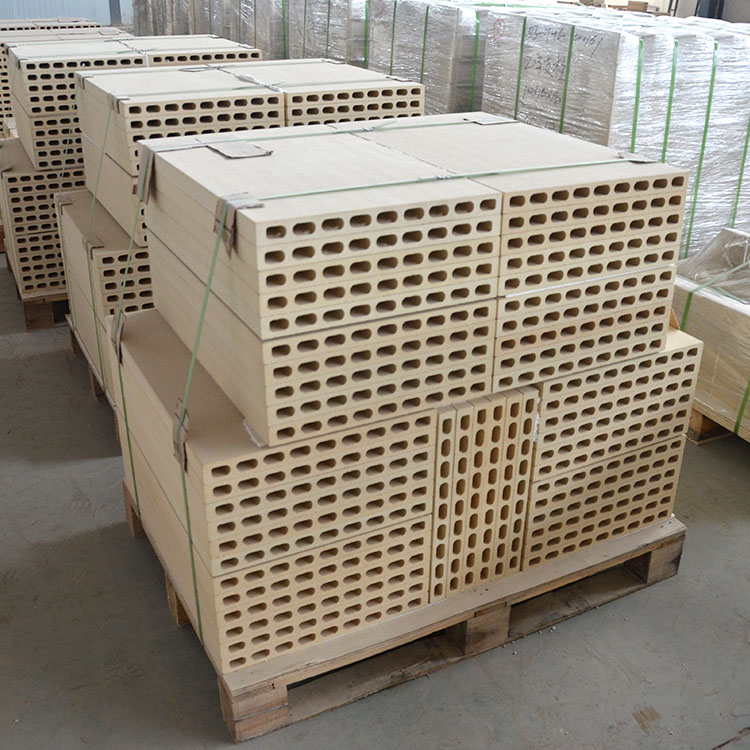
Fused AZS brick TY - AZS36 stands out in the market due to its excellent performance. Through advanced microstructure analysis and industrial corrosion rate comparison, its advantages in glass melting furnaces and related industrial kilns are evident.
| Performance Indicator | TY - AZS36 | Ordinary Materials |
|---|---|---|
| Thermal Shock Resistance | Can withstand more than 50 thermal shock cycles | About 20 thermal shock cycles |
| Corrosion Resistance | Industrial corrosion rate less than 5% | Industrial corrosion rate about 15% |
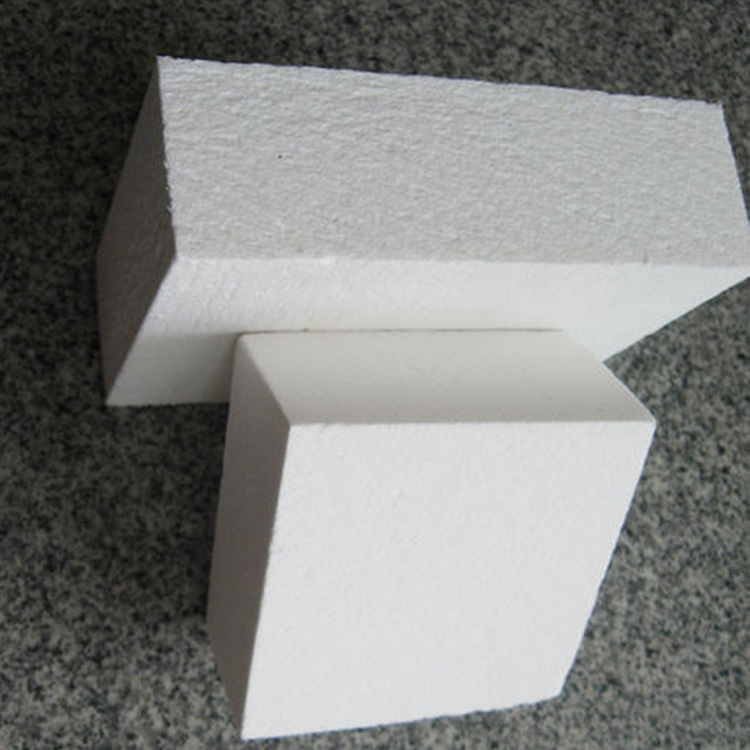
In practical applications, the selection of lining materials directly affects the stability and production efficiency of kilns. For example, a glass manufacturing company replaced the original lining materials with TY - AZS36 in its glass melting furnace. As a result, the furnace's production efficiency increased by 15%, and the maintenance cycle was extended by 20%.
When selecting lining materials, it is necessary to consider the specific working conditions of the kiln, such as temperature range, corrosive media, and thermal shock frequency. Based on these factors, a comprehensive evaluation can be made to achieve the optimal balance between cost and performance.
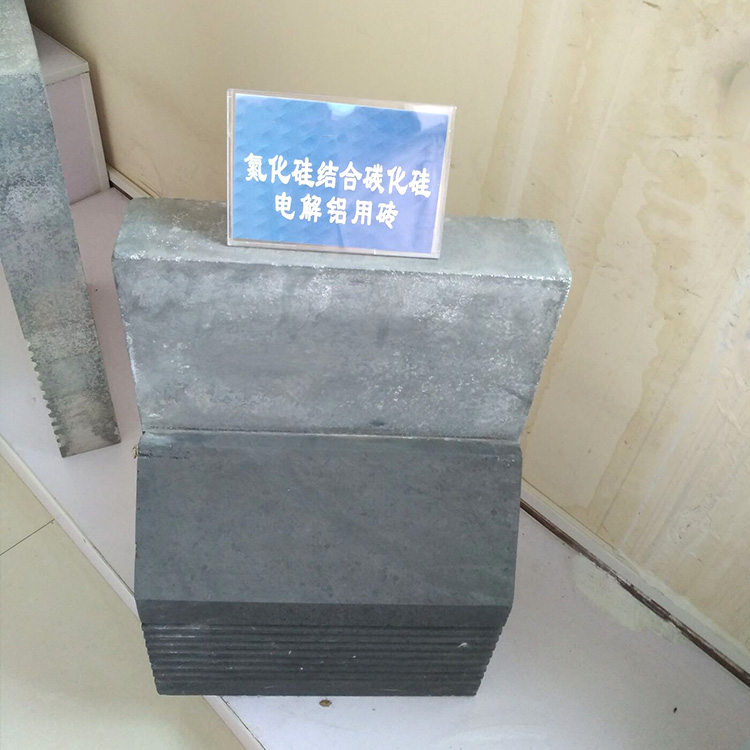
The high - temperature industry often faces problems such as insufficient high - temperature corrosion resistance and thermal shock damage. For these pain points, this article provides practical selection and maintenance suggestions. For example, regular inspection of the lining material's condition and timely replacement of damaged parts can effectively prevent equipment failures.
Are you still struggling with the selection of high - temperature lining materials? Discover more about the excellent fused AZS brick TY - AZS36 and other related refractory materials by clicking here. Take the first step towards improving your equipment's performance and efficiency!