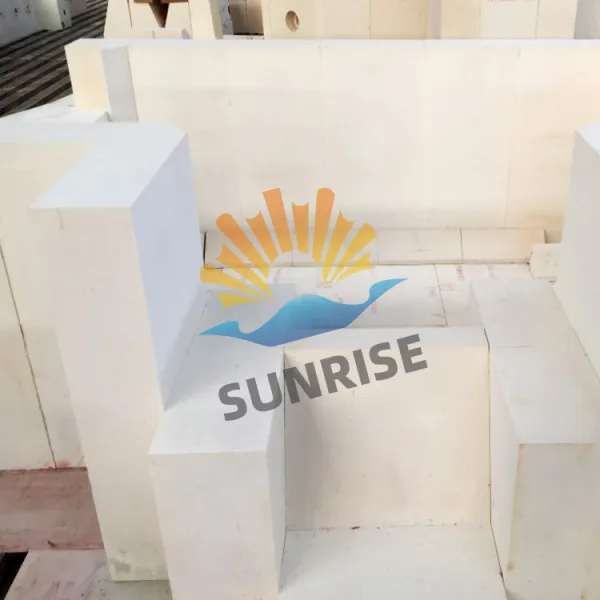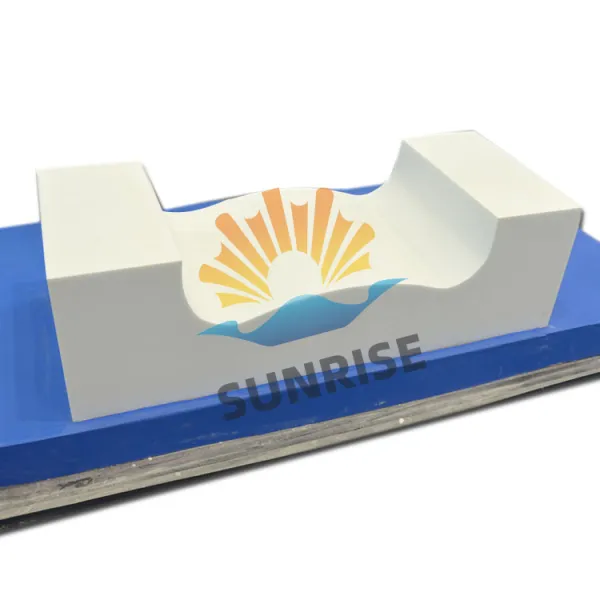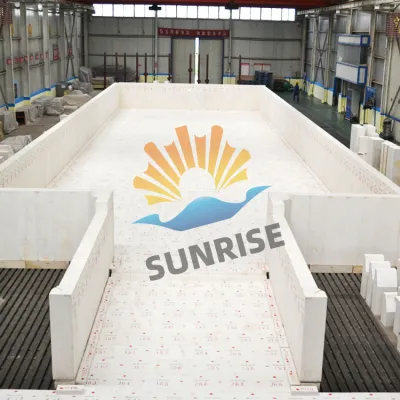
In the demanding environment of glass melting furnaces, selecting the appropriate refractory materials is critical to ensure operational efficiency and longevity. Among these, fused cast AZS (Al₂O₃-ZrO₂-SiO₂) blocks stand out for their superior chemical resistance, thermal shock stability, and dense microstructure. This guide explores how engineers and plant operators can optimize the strategic placement of fused cast AZS blocks based on temperature gradients within the furnace, helping to mitigate crystallization, thermal cracking, and corrosive wear.
Fused cast AZS blocks consist mainly of alumina (Al₂O₃), zirconia (ZrO₂), and silica (SiO₂), delivering a dense, glassy matrix with excellent resistance against molten glass corrosion. Notably, the incorporation of zirconia increases the thermal shock resistance by stabilizing the structure during rapid temperature fluctuations. Their typical volumetric compositions range from 20-25% alumina, 50-65% silica, and 10-20% zirconia.
Key performance attributes include:
• Density: Approximately 3.0 g/cm³ ensuring low porosity and high impermeability.
• Maximum service temperature: Up to 1700°C, depending on the grade.
• Thermal expansion coefficient: ~5.5×10⁻⁶ /°C, matching closely with molten glass to reduce stress.
• Chemical resistance: Exceptional against alkali attack and molten glass erosion.
Glass melting furnaces exhibit pronounced temperature gradients, ranging from 1300°C near charging zones to almost 1600°C in the combustion chamber. These gradients impose varying demands on refractory materials at different locations:
| Furnace Region | Typical Temperature (°C) | Refractory Requirements | AZS Block Application Emphasis |
|---|---|---|---|
| Upper Furnace Roof | 1500 - 1600 | Highest thermal shock resistance and hardness | High-grade AZS with elevated zirconia content to resist thermal cycling |
| Working Tank Sidewall | 1400 - 1500 | Corrosion resistance against molten glass and alkali vapors | Standard fused AZS blocks with balanced alumina content |
| Charging Channel & Throat | 1300 - 1400 | Resistance to abrasion and moderate thermal fluctuations | AZS blocks with optimized smooth surface to prevent glass buildup |
Uneven temperature distributions can result in thermal stress concentration, causing cracks and premature refractory failure. Strategic zoning involves matching AZS block grades to temperature profiles — for example, positioning high-zirconia AZS blocks in the roof where thermal shock and chemical attack are most severe, while using conventional AZS blocks in cooler zones.
Additionally, careful attention to the orientation and joint design of AZS blocks reduces interstitial voids where glass can crystallize. By maintaining a smooth and continuous refractory surface, operators can minimize devitrification spots that otherwise lead to glass defects and equipment downtime.
Proper installation maximizes fused cast AZS block performance. Recommended practices include:
Routine inspections and cleaning, especially in the working tank and throat, prevent glass infiltration that accelerates block degradation. Employing infrared thermography can detect early temperature anomalies signaling refractory damage.
Master this layout technique to reduce furnace downtime and intensify production efficiency — your pathway to next-level glass manufacturing reliability!