When it comes to maintaining consistent production in high-temperature industrial processes—especially in glass manufacturing—the choice of refractory lining material can make or break operational efficiency. Engineers and procurement teams often face a critical decision: how to select a material that balances durability, thermal stability, and cost-effectiveness over time.
Refractory materials like electro-fused AZS brick TY-AZS36 are evaluated using several core indicators:
| Property | Typical Value (TY-AZS36) | Why It Matters |
|---|---|---|
| Al₂O₃ Content | ≥ 40% | Higher alumina improves resistance to molten glass corrosion at 1450–1550°C. |
| Bulk Density | ≥ 3.7 g/cm³ | Indicates structural integrity under prolonged heat stress. |
| Porosity | ≤ 18% | Low porosity = less infiltration by corrosive melts. |
| Thermal Shock Resistance | ≥ 5 cycles @ 1000°C | Critical for kilns with frequent start-stop cycles. |
These metrics aren’t just numbers—they translate directly into real-world performance. For example, a study from the European Ceramic Society found that AZS bricks with >3.7 g/cm³ density showed up to 30% longer service life in glass tank furnaces compared to lower-density alternatives.
In a recent project in Egypt, a mid-sized float glass producer switched from conventional fireclay bricks to TY-AZS36 lining in their bottom zone. Within six months, they reported:
This case highlights why understanding microstructure matters: the fine-grained, homogeneous structure of TY-AZS36 minimizes crack propagation during thermal cycling—an essential feature for long-term reliability.
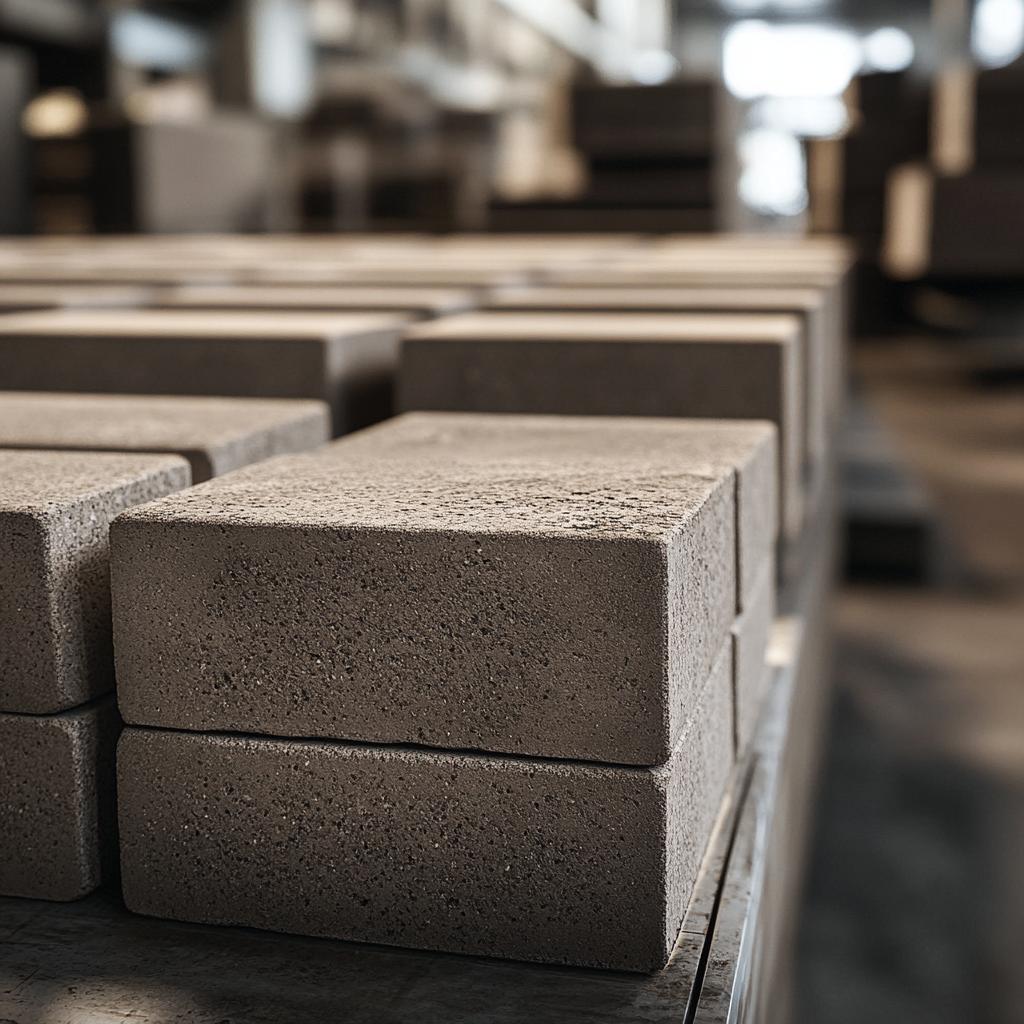
For engineers managing kiln operations, selecting the right refractory isn’t just about specs—it’s about aligning material properties with process conditions. Whether your furnace operates continuously or intermittently, knowing how to match chemistry, density, and thermal behavior ensures optimal results.
If you’re evaluating refractory solutions for your next kiln upgrade or replacement, consider starting with a technical consultation tailored to your specific application. We’ve helped manufacturers across Europe, the Middle East, and Southeast Asia optimize their refractory systems—and we’d love to do the same for you.
Explore how TY-AZS36 can transform your refractory strategy—without compromising on safety or output.
Learn More About TY-AZS36