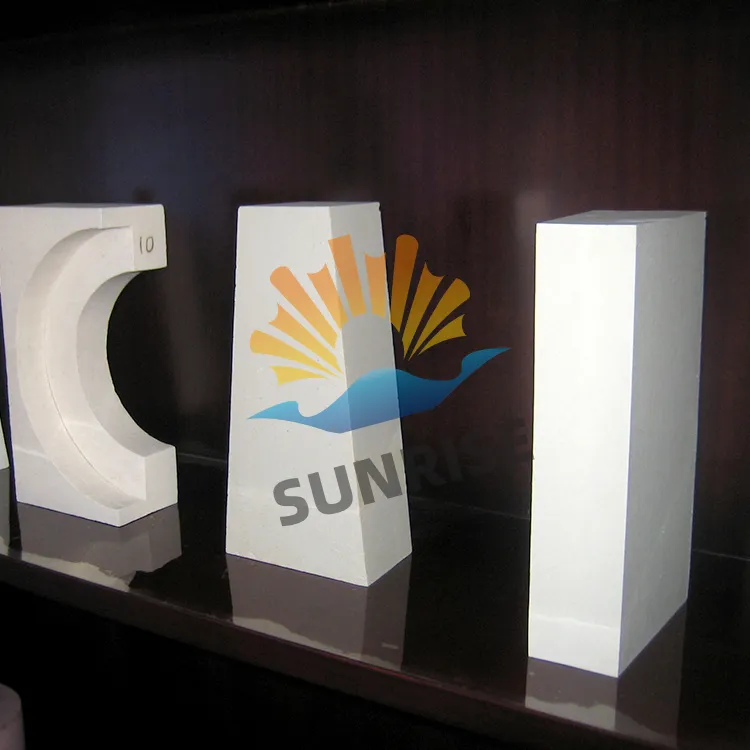
Glass melting furnaces often encounter various failures during operation, such as thermal shock cracking and erosion nodulation. Thermal shock cracking occurs due to rapid temperature changes, which can lead to the formation of cracks in the refractory materials. Erosion nodulation, on the other hand, is caused by the chemical reaction between the glass melt and the refractory materials, resulting in the formation of nodules that can affect the quality of the glass and the efficiency of the furnace. These failures not only reduce the reliability of the furnace but also increase maintenance costs and shorten the service life of the furnace.

The AZS33# block is made of high - purity Al₂O₃ - ZrO₂ - SiO₂ raw materials. The electric melting process plays a crucial role in forming its microstructure. By precisely controlling the melting temperature, time, and cooling rate, the grain size and pore distribution of the block can be effectively regulated. For example, a slower cooling rate can lead to larger grain sizes, which can have a significant impact on the performance of the material. The raw materials' high purity ensures that the block has a dense and uniform microstructure, which is the foundation for its excellent performance.
The dense structure of the AZS33# block significantly enhances its thermal shock resistance. A dense structure means fewer pores and a more uniform distribution of grains. When the furnace experiences temperature fluctuations, the dense structure can better withstand the stress caused by thermal expansion and contraction. This reduces the risk of crack formation and propagation. Moreover, the dense structure also reduces the penetration risk of the glass melt. Glass melt penetration can cause chemical reactions and structural changes in the refractory materials, leading to their failure. The AZS33# block's dense structure acts as a barrier, preventing the glass melt from penetrating and thus protecting the integrity of the material.
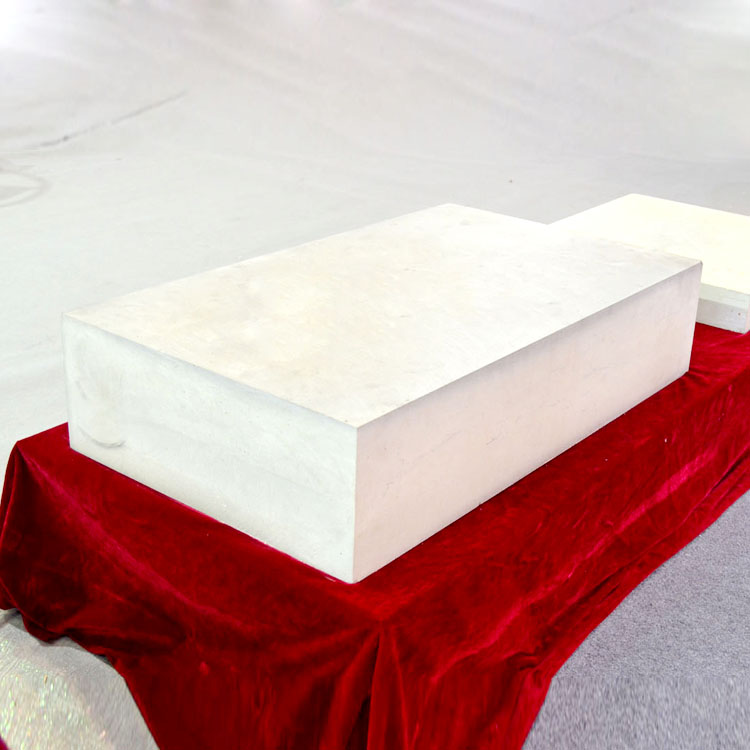
In the feeding channel, the AZS33# block can withstand the high - temperature and high - velocity glass melt flow. Its excellent wear resistance and thermal shock resistance ensure a long service life in this harsh environment. At the tank bottom, the block's high corrosion resistance protects the furnace from the corrosive glass melt, reducing the risk of leakage and improving the safety of the furnace. For the C - type bricks, the AZS33# block provides better structural support and sealing performance, preventing heat loss and improving the energy efficiency of the furnace.
Compared with materials such as mullite, high - alumina bricks, and zircon sand bricks, the AZS33# block shows significant advantages. In terms of corrosion resistance, the AZS33# block can withstand the corrosion of the glass melt for up to 5 - 7 years, while mullite bricks may only last 2 - 3 years. Regarding service life, the AZS33# block can extend the furnace's service life by 30% - 50%. In terms of maintenance cost, using the AZS33# block can save 20% - 30% of the maintenance cost over the long term. The following table shows a detailed comparison:
| Material | Corrosion Resistance (Years) | Service Life Extension | Maintenance Cost Saving |
|---|---|---|---|
| AZS33# Block | 5 - 7 | 30% - 50% | 20% - 30% |
| Mullite Bricks | 2 - 3 | N/A | N/A |
| High - Alumina Bricks | 3 - 4 | N/A | N/A |
| Zircon Sand Bricks | 3 - 5 | N/A | N/A |
The performance of the AZS33# block is supported by laboratory test data and industry standards. For example, according to GB/T 2948 - 2016, the AZS33# block meets the strict requirements for thermal shock resistance, corrosion resistance, and other properties. These data provide a scientific basis for the selection of refractory materials for glass melting furnaces.
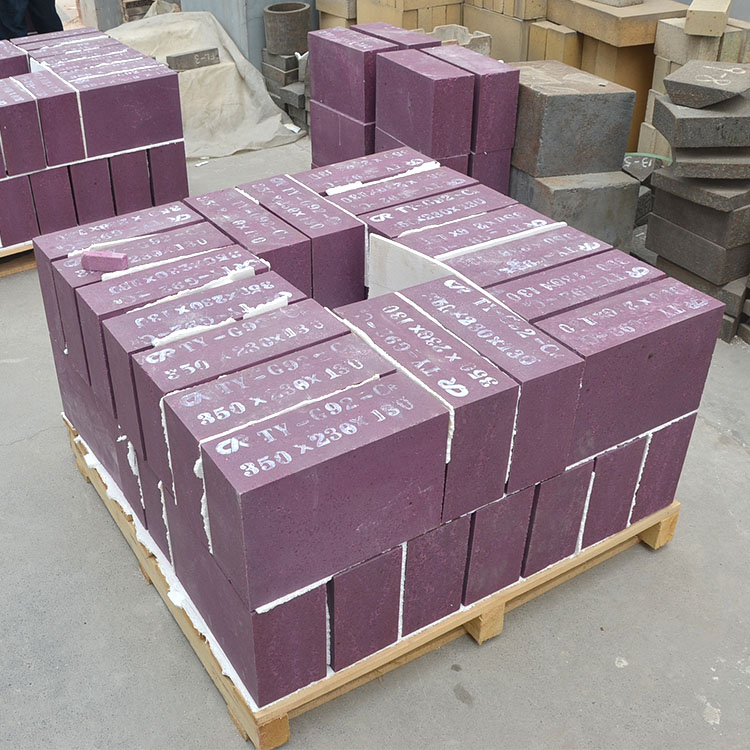
Are you still struggling with the low reliability and high maintenance cost of your glass melting furnace? Upgrade to the AZS33# block now and experience the significant improvement in furnace performance. Click here to learn more and take the first step towards a more efficient and reliable glass melting process!
We'd love to hear your thoughts and experiences. Do you have any questions or comments about the AZS33# block? Leave them below!