In the glass manufacturing industry, the selection of refractory materials for glass furnaces is a critical decision that directly impacts the efficiency, stability, and cost of production. Glass furnaces often face challenges such as chemical erosion and crystallization in their operation, which can significantly affect the performance and lifespan of refractory materials. This guide aims to provide in - depth insights into the scientific selection and application of fused AZS33# blocks in glass furnaces.
The raw material formula of AZS33# blocks is carefully designed. It consists of high - quality alumina, zirconia, and silica. Through a precise electric melting process, these raw materials are melted at extremely high temperatures. The electric melting process ensures a uniform and dense microstructure of the AZS33# blocks. According to industry standards and laboratory tests, the density of AZS33# blocks can reach up to 3.6 g/cm³, which is much higher than that of traditional refractory materials. This dense structure gives the blocks excellent chemical stability at high temperatures, making them highly resistant to chemical erosion.
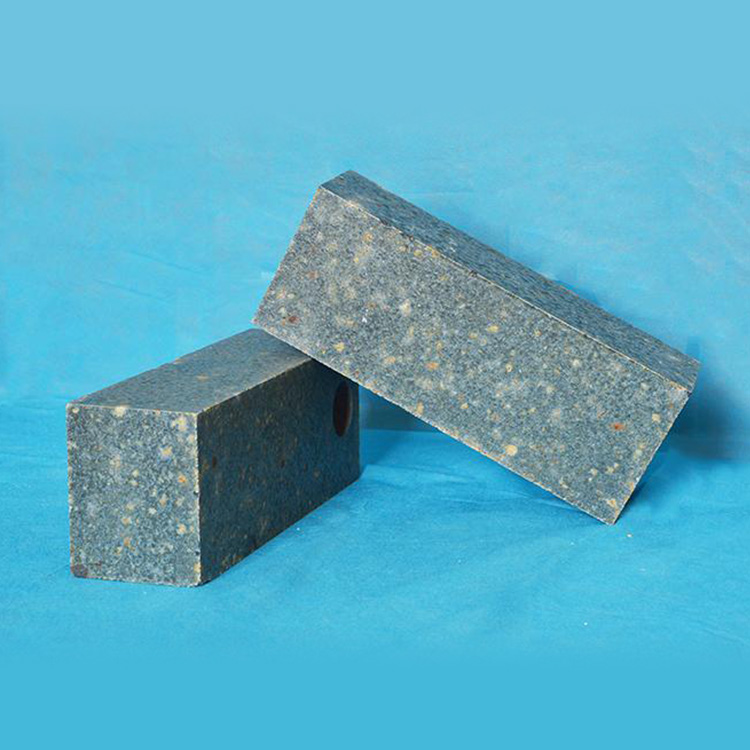
In the feeding channel of a glass furnace, the refractory materials are constantly exposed to the impact of raw materials and high - temperature glass liquid. AZS33# blocks have been proven to be highly effective in this area. In a case study of a large - scale glass manufacturing plant, after replacing the traditional refractory materials with AZS33# blocks in the feeding channel, the erosion rate decreased by 30%. This not only extended the service life of the refractory materials but also reduced the frequency of maintenance, thus improving the overall efficiency of the glass furnace.
The trough bottom of a glass furnace is another key area. It needs to withstand high - temperature glass liquid for a long time. AZS33# blocks' excellent heat - resistance and chemical stability make them an ideal choice. Laboratory tests show that the thermal shock stability of AZS33# blocks can reach up to 20 times, while traditional high - alumina bricks can only reach about 10 times. This means that AZS33# blocks can better adapt to the temperature changes in the trough bottom, reducing the risk of cracking and damage.
At the hopper top, the refractory materials are affected by the falling raw materials and high - temperature air. AZS33# blocks can effectively resist the impact and erosion in this environment. In comparison with traditional zircon sand bricks, AZS33# blocks have a longer service life in the hopper top area, which can save up to 25% of the cost in the long - term operation.
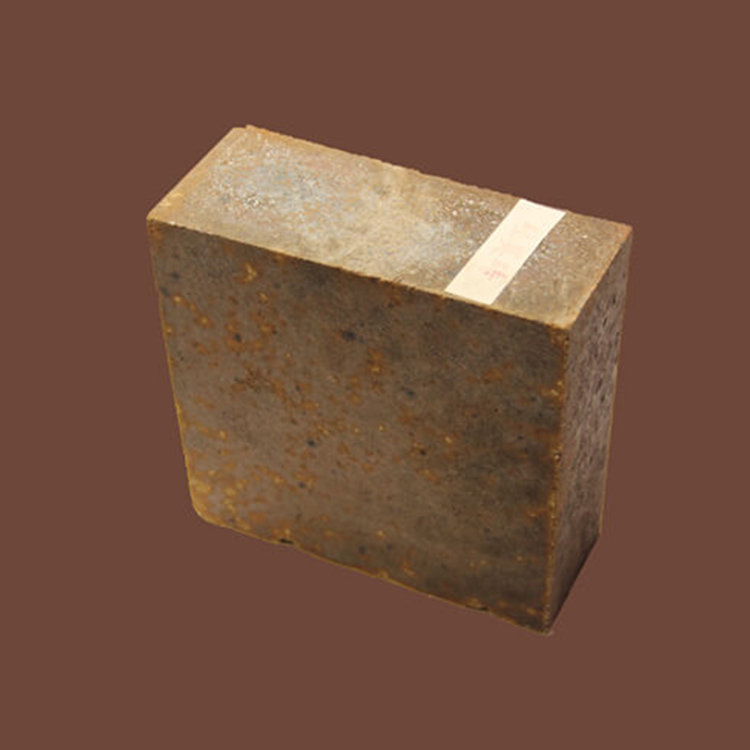
A comparison table is presented below to show the performance differences between AZS33# blocks and traditional refractory materials such as mullite, high - alumina bricks, and zircon sand bricks:
| Refractory Materials | Anti - erosion Ability | Thermal Shock Stability | Service Life |
|---|---|---|---|
| AZS33# Blocks | Excellent | High (up to 20 times) | Long |
| Mullite | Good | Medium (about 12 times) | Medium |
| High - alumina Bricks | Fair | Low (about 10 times) | Short |
| Zircon Sand Bricks | Good | Medium (about 13 times) | Medium |
According to a senior technical expert in the glass manufacturing industry, "AZS33# blocks represent a significant advancement in the field of refractory materials for glass furnaces. Their unique structure and performance make them a reliable choice for improving the overall performance of glass furnaces and reducing production costs."
We encourage you to share your experiences and questions about the selection and application of refractory materials for glass furnaces. Do you have any concerns about the installation or maintenance of AZS33# blocks? Leave your comments below and let's start a discussion!
If you are looking for high - quality refractory materials to optimize your glass furnace operation and reduce maintenance costs, click here to learn more about our AZS33# blocks and make a smart purchase decision.