In the high - temperature industrial kiln field, the electro - fused AZS brick TY - AZS36 stands out as a reliable and high - value refractory material. This article aims to comprehensively explore how its chemical composition and physical properties determine its excellent performance in high - temperature industrial kilns.
The core chemical components of electro - fused AZS36 mainly include Al₂O₃, ZrO₂, and SiO₂. The proportion of these elements plays a crucial role in the high - temperature stability of the refractory bricks. For example, Al₂O₃ provides high melting point and good mechanical strength at high temperatures. ZrO₂ can improve the thermal shock resistance and corrosion resistance of the bricks. SiO₂ affects the formation of the glass phase, which is related to the overall performance of the refractory bricks at high temperatures.
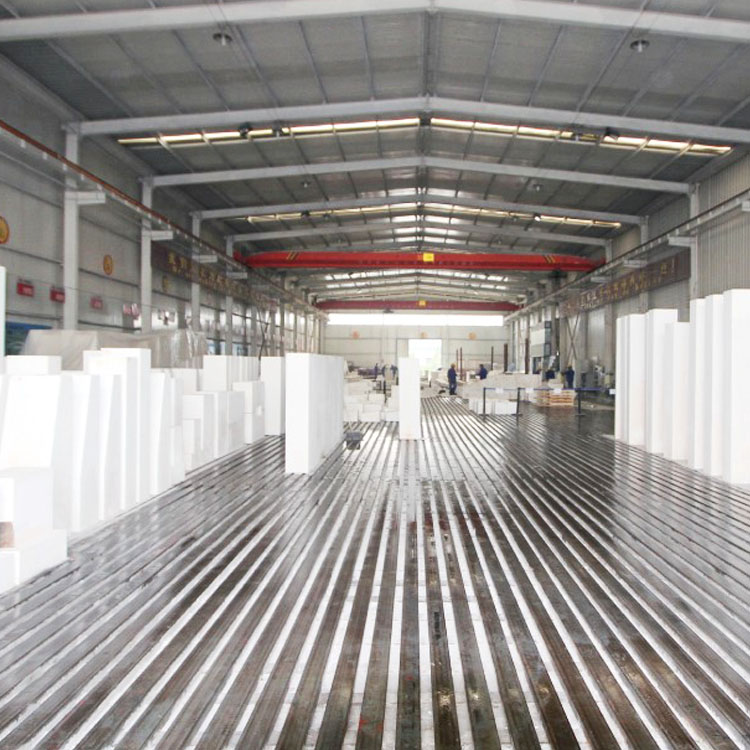
Bulk density and apparent porosity are two important physical properties of electro - fused AZS36. The bulk density reflects the compactness of the refractory bricks. A higher bulk density generally means better mechanical strength and corrosion resistance. Apparent porosity can be analogized to the pores of human skin. Just as human skin with fewer pores can better resist external pollutants, refractory bricks with lower apparent porosity can better resist the penetration of corrosive substances and the impact of thermal shock. Generally, the apparent porosity of electro - fused AZS36 is controlled at a relatively low level, which effectively extends its service life in high - temperature environments.
When compared with ordinary AZS bricks, electro - fused AZS36 shows significant technical advantages. Its cold - crushing strength is ≥300MPa, which is much higher than that of ordinary AZS bricks. This high cold - crushing strength ensures that the bricks can withstand greater pressure during installation and use. In addition, its high - temperature corrosion rate is ≤1.3mm/24h. This low corrosion rate means that electro - fused AZS36 can maintain its structural integrity and performance for a long time in high - temperature and corrosive environments.
ISO certification is an important guarantee for the quality consistency and global applicability of electro - fused AZS36. The ISO certification system requires strict control of every production process, from raw material selection to final product inspection. This ensures that each batch of products meets the same high - quality standards, which is crucial for large - scale industrial applications. With ISO certification, technical decision - makers can have more confidence in the quality and performance of electro - fused AZS36.
In actual working conditions, such as in glass melting furnaces, the performance of refractory bricks directly affects the production efficiency and product quality. For example, in some glass melting furnace failure cases, the low corrosion resistance and poor thermal shock resistance of ordinary refractory bricks often lead to furnace lining damage and production interruption. However, electro - fused AZS36, with its excellent chemical composition and physical properties, can effectively avoid such problems. Its high cold - crushing strength and low high - temperature corrosion rate ensure the long - term stable operation of the furnace, which is of great engineering value.
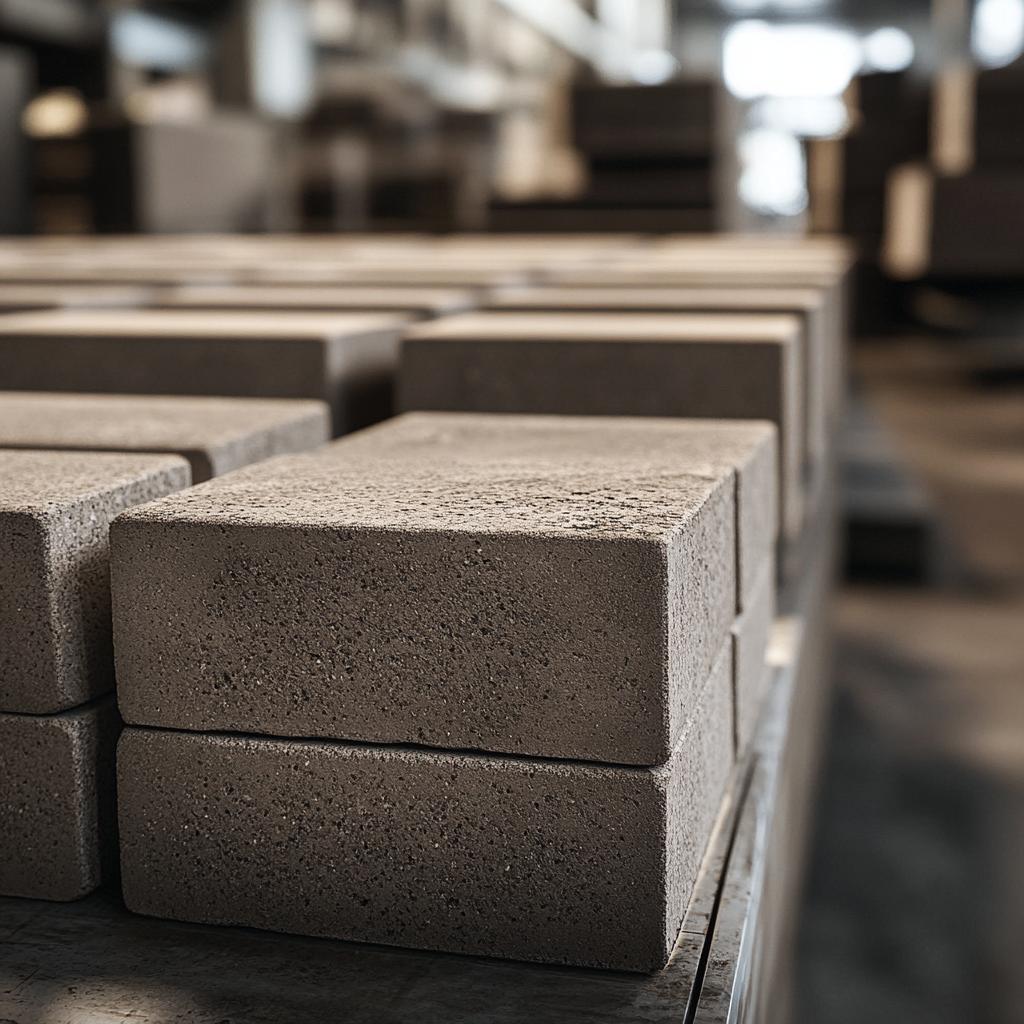
In conclusion, electro - fused AZS36 refractory bricks, with their unique chemical composition, excellent physical properties, and ISO - certified quality, are a reliable and high - value choice for high - temperature industrial kilns. For technical decision - makers, understanding the engineering logic behind the "high purity + high strength" of electro - fused AZS36 can improve the professionalism of product selection and risk control ability. If you want to learn more about the application of electro - fused AZS36 in high - temperature industrial kilns, click here.