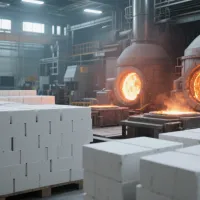
In the realm of glass furnace refractory materials, electro - fused AZS refractory bricks, especially the TY - AZS36D model, have emerged as a game - changer. This article delves deep into the key manufacturing processes of these bricks, aiming to provide a comprehensive understanding of how they enhance the heat - resistance and corrosion - resistance of glass furnaces.
The quality of raw materials is the cornerstone of high - performance electro - fused AZS refractory bricks. High - purity raw materials are carefully selected, and their proportioning is a science. For example, the right balance of various components ensures the optimal chemical and physical properties of the final product. Similar to the precision required in steelmaking, where the right mix of elements determines the strength and durability of the steel, the correct raw material proportioning in electro - fused AZS bricks is crucial for achieving excellent corrosion resistance and heat resistance.
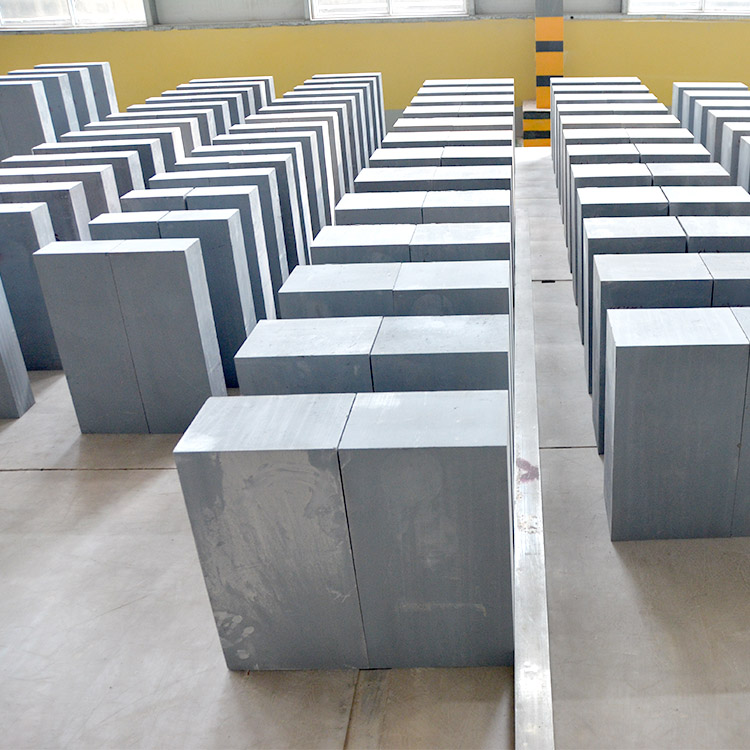
During the electric furnace melting stage, precise temperature and atmosphere control are of utmost importance. The temperature needs to be maintained within a specific range to ensure complete melting of the raw materials. At the same time, the atmosphere in the furnace affects the chemical reactions taking place. For instance, a well - controlled atmosphere can prevent unwanted oxidation or reduction reactions, which could otherwise degrade the quality of the refractory bricks. Based on 30 years of production experience, maintaining a temperature of around 1800 - 2000°C and a slightly oxidizing atmosphere has been found to be ideal for producing high - quality electro - fused AZS bricks.
The liquid pouring and cooling processes significantly impact the microstructure of the electro - fused AZS bricks. A proper pouring speed and cooling rate can result in a fine - grained and uniform microstructure, which is beneficial for the mechanical and thermal properties of the bricks. Different cooling regimes can lead to different crystal structures and phase distributions, affecting the overall performance of the bricks in glass furnaces.
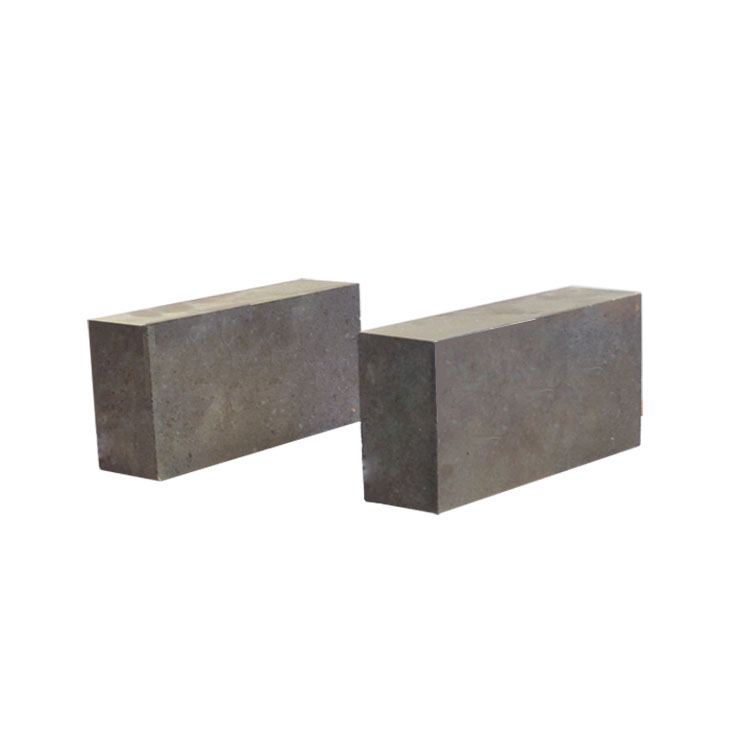
One of the key steps in the manufacturing process is the oxidation process, which effectively reduces the content of alkali metal oxides such as Na₂O and K₂O. By controlling the oxidation conditions, the content of Na₂O + K₂O can be reduced to ≤1.35%. This reduction is crucial as alkali metal oxides can cause problems such as crystallization and corrosion in glass furnaces. The oxidation process helps to improve the stability of the glass phase and enhance the corrosion resistance of the bricks.
When the glass phase precipitation temperature is increased, the thermal shock stability of the electro - fused AZS bricks is improved. This means that the bricks can better withstand sudden temperature changes without cracking or spalling, which is a common problem in glass furnaces. The improved thermal shock stability extends the service life of the bricks, especially in critical parts of the furnace such as the sidewalls of float glass furnaces and bottle furnaces.
Over 30 years of production practice, a wealth of experience has been accumulated in dealing with common problems in glass furnace use. For example, issues such as corrosion, crystallization, and thermal shock damage can be effectively addressed through proper installation, maintenance, and replacement of the electro - fused AZS bricks. By following these strategies, the reliability and service life of the glass furnaces can be significantly improved.
Compared with traditional AZS refractory bricks, TY - AZS36D has several technical breakthroughs. It has better corrosion resistance, higher thermal shock stability, and a longer service life. These advantages make it particularly suitable for use in critical parts of glass furnaces, where high - performance refractory materials are required.
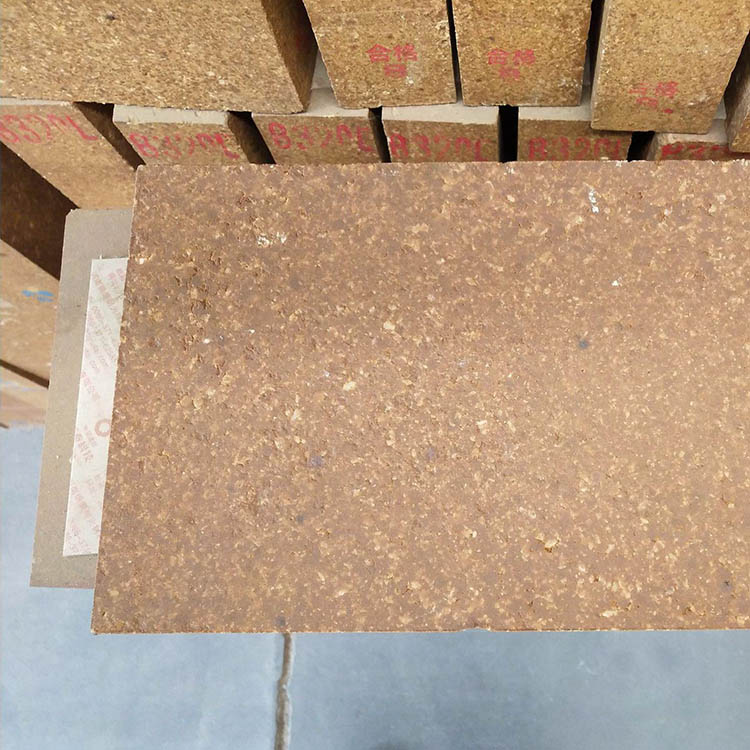
In conclusion, understanding the key manufacturing processes of electro - fused AZS refractory bricks is essential for enhancing the performance of glass furnaces. The TY - AZS36D bricks, with their advanced technology and application advantages, offer a reliable solution for the glass industry. If you want to learn more about the technical details and application cases of these high - end refractory materials, please visit our official website for more in - depth information and technical documents.

 277
|
277
|
 float glass furnace refractory selection
low sodium AZS refractory
Na2O content impact
electric fused AZS36D
refractory corrosion resistance
float glass furnace refractory selection
low sodium AZS refractory
Na2O content impact
electric fused AZS36D
refractory corrosion resistance
 341
|
Fused AZS brick
Refractory brick selection guide
Cold crushing strength
High - temperature corrosion resistance rate
Glass melting furnace lining
341
|
Fused AZS brick
Refractory brick selection guide
Cold crushing strength
High - temperature corrosion resistance rate
Glass melting furnace lining
 427
|
industrial kiln refractory materials
thermal shock resistance solutions
fused AZS brick
glass melting furnace lining
corrosion failure prevention
427
|
industrial kiln refractory materials
thermal shock resistance solutions
fused AZS brick
glass melting furnace lining
corrosion failure prevention
 346
|
AZS steel sections
refractory materials
material comparison
industrial applications
performance evaluation
346
|
AZS steel sections
refractory materials
material comparison
industrial applications
performance evaluation
 475
|
AZS refractory bricks
high-temperature applications
alumina zirconium silicate
475
|
AZS refractory bricks
high-temperature applications
alumina zirconium silicate