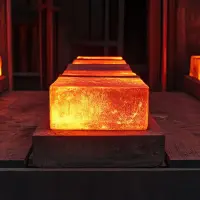
In the high-stakes operation of float glass furnaces, the durability and chemical stability of refractory materials are critical factors impacting production efficiency and final glass quality. Recent technological advancements underscore the pivotal role of sodium oxide (Na₂O) content in refractory bricks, especially in controlling glass phase stability and minimizing devitrification (crystallization) issues. This article explores how a low Na₂O refractory formulation—exemplified by the TY-AZS36D series where Na₂O + K₂O ≤ 1.35%—significantly improves corrosion resistance, extends furnace service life by over 30%, and reduces defects in glass products. Grounded in ISO-certified data and real-world overseas usage, the insights here empower decision-makers to optimize refractory selection, effectively lowering costly downtime in float glass production lines.
Sodium oxide acts as a fluxing agent within refractory materials, directly affecting the melting points and chemical interactions at the glass-refractory interface. Higher Na₂O concentrations promote undesirable glass phase crystallization at lower temperatures, accelerating refractory degradation and producing glass defects that impair transparency and structural uniformity. Laboratory analysis demonstrates a clear inverse correlation between Na₂O content and the temperature onset for crystal phase precipitation in the refractory–glass matrix.
This data-driven insight suggests that low-sodium AZS (Alumina-Zirconia-Silica) compositions, such as TY-AZS36D, substantially improve refractory life by resisting glass corrosion while preserving furnace lining integrity under cyclic thermal loads.
| Property | Traditional AZS | TY-AZS36D |
|---|---|---|
| Na₂O + K₂O Content | 2.5% – 3.0% | ≤ 1.35% |
| Thermal Shock Resistance | Medium | High |
| Corrosion Resistance (Glass Industry Standard) | Grade B | Grade A |
| Service Life Improvement | Baseline | +30% or more |
TY-AZS36D’s lower alkalies concentration contributes directly to its superior corrosion resistance—especially under prolonged exposure to molten glass—while its enhanced microstructure resists abrasive wear from batch materials.
A leading glass container manufacturer in Europe documented that retrofitting sidewall refractory bricks with TY-AZS36D yielded a lifespan extension exceeding 30%, which directly translated into a 15% reduction in unplanned shutdowns annually. Beyond life extension, the lower Na₂O content minimized glass devitrification irregularities by nearly 20%, preserving clarity and reducing customer complaints.
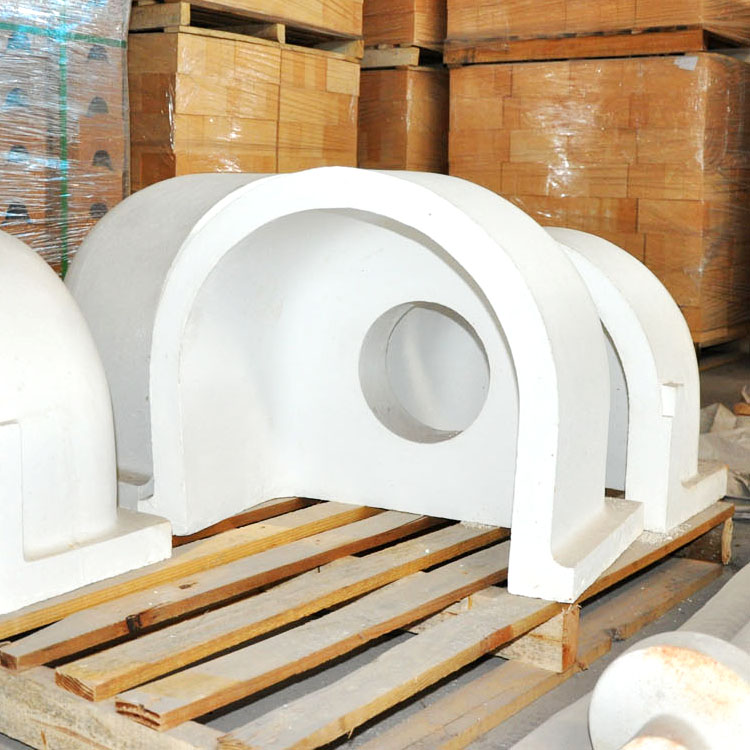
Selecting optimal refractory materials requires an integrated analysis of glass batch chemistry, furnace temperature profiles, and operational cycles. For float glass furnaces processing soda-lime glass with standard temperature gradients (1350°C peak zone), a low Na₂O material like TY-AZS36D is recommended to counteract alkali-induced corrosion. Conversely, furnaces with specialty glass requiring elevated temperatures (>1400°C) benefit from custom formulations that balance alumina and zirconia ratios with reduced alkali fluxes to maintain refractory integrity.
Technical teams should leverage material data sheets and ISO-certified test results (ISO 9001/ISO 14001) when specifying bricks, ensuring compatibility not only chemically but also mechanically.
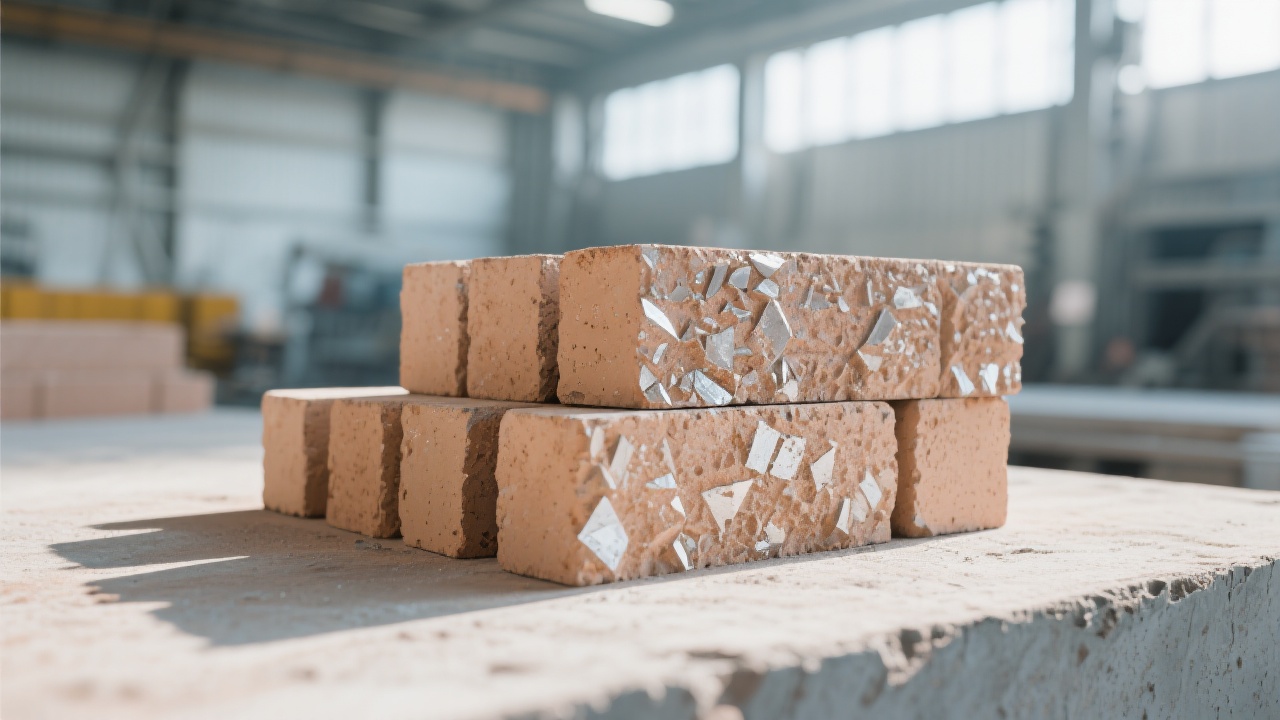
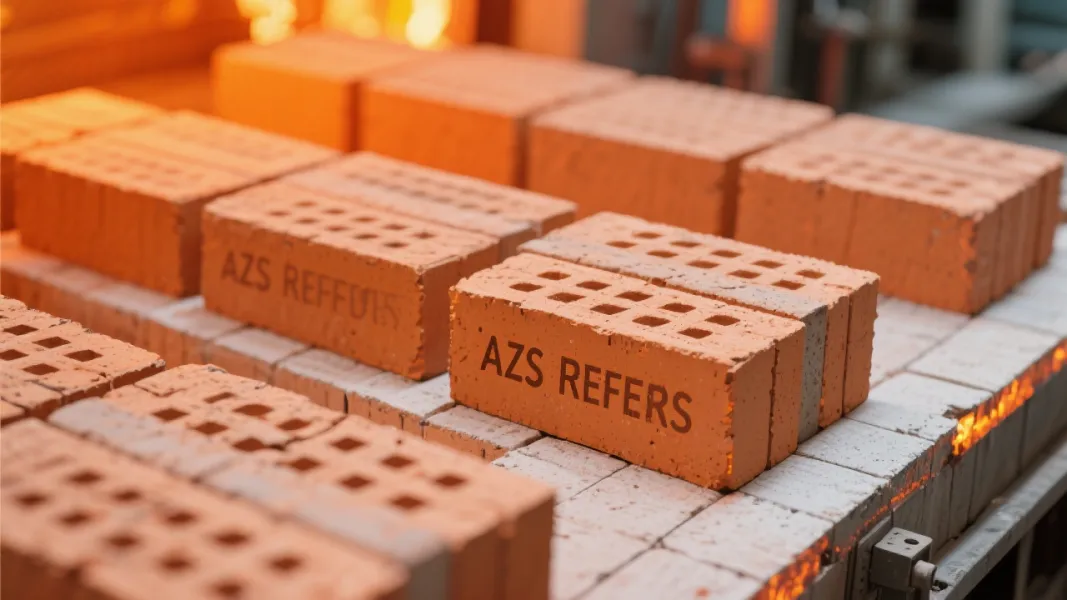
TY-AZS36D refractories conform to rigorous ISO 9001 quality management and ISO 14001 environmental standards, underscoring consistent product excellence and sustainable manufacturing practices. These certifications provide overseas buyers with added assurance for durable, high-performance refractory linings that comply fully with international trading regulations and environmental expectations.
Furthermore, extensive client testimonials worldwide reinforce that strategic procurement of certified, low-alkali refractory bricks accelerates Return on Investment (ROI), lowers maintenance intervention frequencies, and fosters reliable supply partnerships.

.jpg?x-oss-process=image/resize,h_600,m_lfit/format,webp)
 274
|
274
|
 electric melting AZS TY - AZS41
fusion casting refractory materials
industrial furnace lining materials
electric melting AZS TY - AZS41
fusion casting refractory materials
industrial furnace lining materials
 199
|
AZS cross brick
glass furnace refractory
high temperature耐火材料
regenerator chamber
energy efficient glass production
199
|
AZS cross brick
glass furnace refractory
high temperature耐火材料
regenerator chamber
energy efficient glass production
 472
|
electrofused AZS36 refractory brick
ISO certified refractory materials
glass melting furnace lining
high temperature corrosion rate
refractory brick performance standards
472
|
electrofused AZS36 refractory brick
ISO certified refractory materials
glass melting furnace lining
high temperature corrosion rate
refractory brick performance standards
.jpg?x-oss-process=image/resize,h_600,m_lfit/format,webp) 106
|
AZS stirring rod
glass mixing solutions
corrosion-resistant mixing tools
106
|
AZS stirring rod
glass mixing solutions
corrosion-resistant mixing tools
.jpg?x-oss-process=image/resize,h_600,m_lfit/format,webp) 200
|
electric-fused AZS TY - AZS41 refractory material
industrial furnace lining durability
advanced melting process benefits
200
|
electric-fused AZS TY - AZS41 refractory material
industrial furnace lining durability
advanced melting process benefits
.jpg?x-oss-process=image/resize,m_fill,h_200,w_200/format,webp)


.jpg?x-oss-process=image/resize,m_fill,h_200,w_200/format,webp)



.jpg?x-oss-process=image/resize,m_fill,h_200,w_200/format,webp)