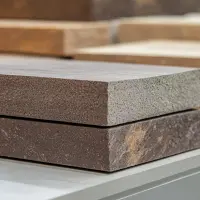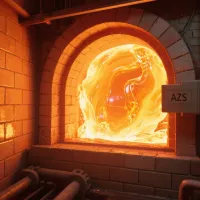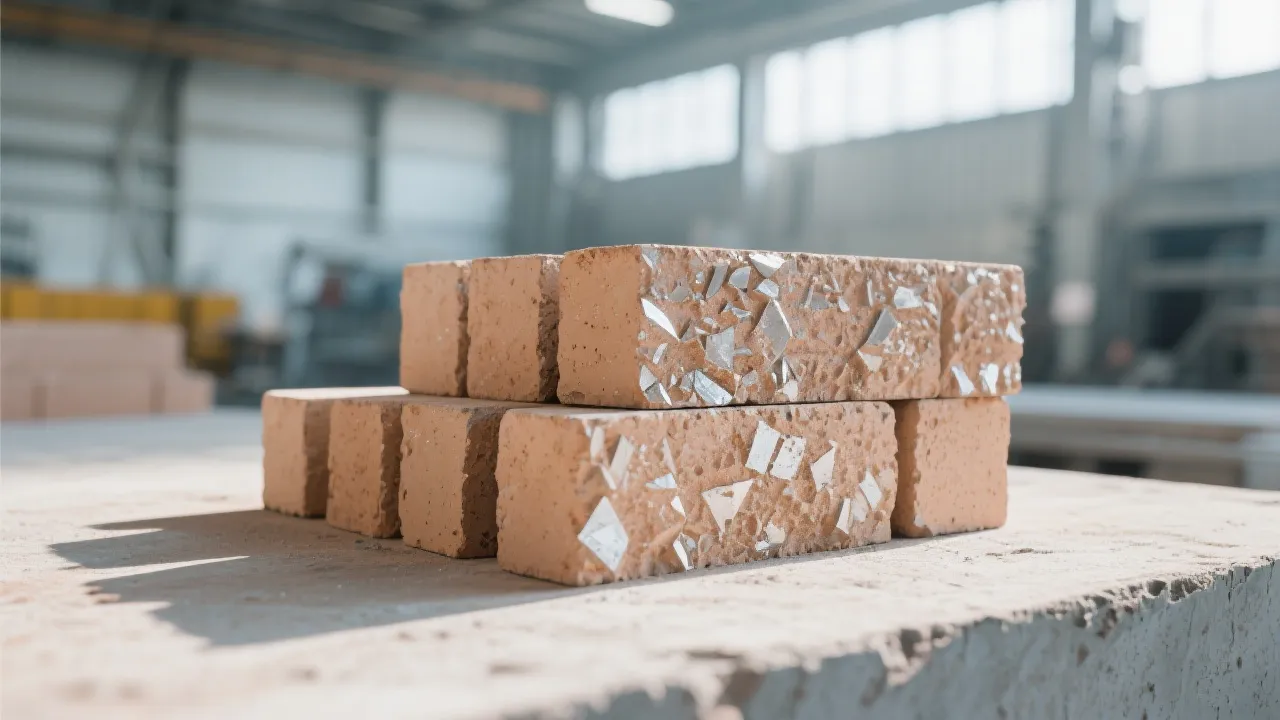
Float glass furnaces are the heart of the glass manufacturing process. The quality and performance of refractory materials used in the furnace lining play a crucial role in the overall efficiency, productivity, and longevity of the furnace. In the selection of refractory materials, low-sodium electrofused AZS (Alumina-Zirconia-Silica) refractory materials have emerged as a game-changer, significantly extending the service life of float glass furnaces.
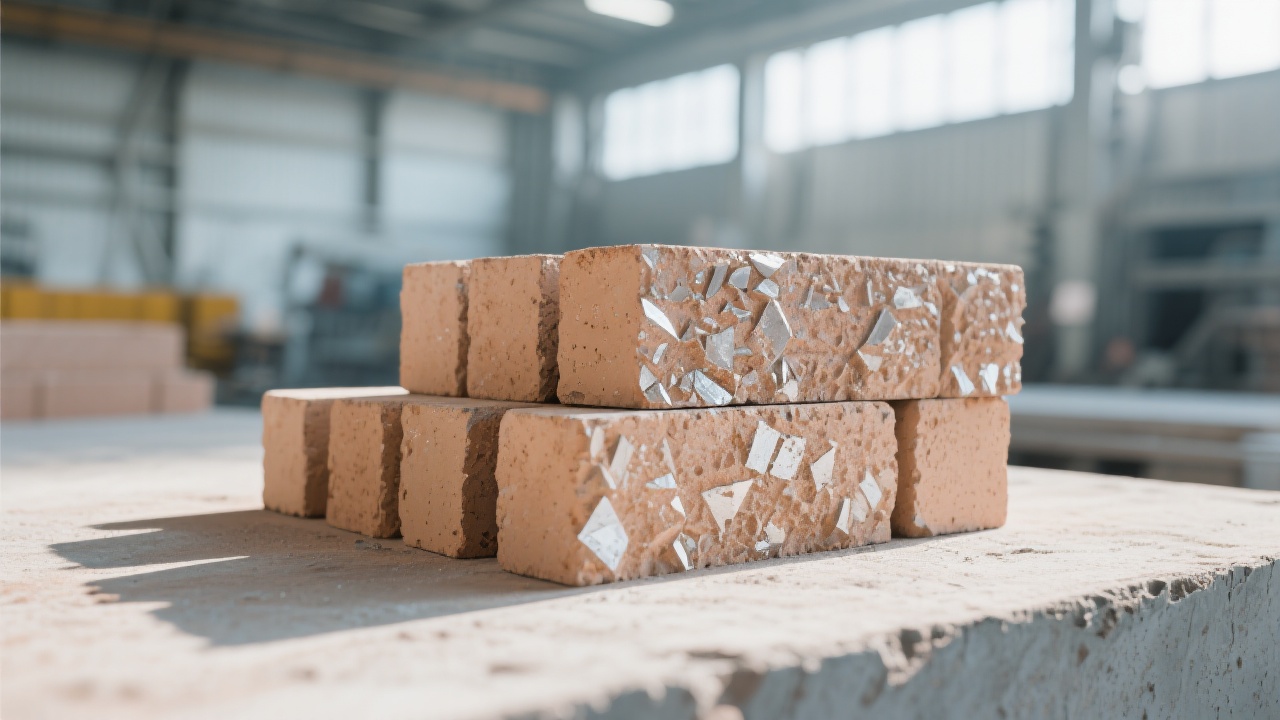
The key to the superior performance of low-sodium electrofused AZS refractory materials lies in their low Na₂O content. Research shows that a high Na₂O content in electrofused AZS refractory materials can lead to a decrease in glass phase stability and anti-crystallization ability. When the Na₂O content is reduced, the glass phase becomes more stable, and the anti-crystallization ability is enhanced. For example, in a standard electrofused AZS refractory material with a Na₂O content of about 1.5%, the glass phase may start to show signs of instability after 2 - 3 years of continuous operation in a high - temperature float glass furnace. However, when the Na₂O content is reduced to 0.8% in our low - sodium electrofused AZS refractory materials, the glass phase stability can be maintained for up to 5 - 6 years.

From a chemical perspective, the low - sodium formula adjusts the chemical balance of electrofused AZS refractory materials. It reduces the reaction between Na₂O and other components in high - temperature environments, thus reducing the occurrence of chemical corrosion. Physically, the low - sodium content makes the internal structure of the refractory material more compact, improving its mechanical strength and thermal shock resistance. For instance, the bending strength of our low - sodium electrofused AZS refractory materials can reach up to 80 MPa, which is 20% higher than that of conventional electrofused AZS materials.
Let's take a well - known glass manufacturing company as an example. Before using our low - sodium electrofused AZS refractory materials, they faced frequent furnace maintenance and replacement due to the short service life of the refractory lining. The average service life of their furnace lining was only about 3 years. After switching to our low - sodium electrofused AZS refractory materials, the service life of the furnace lining was extended to 6 years. Moreover, the number of glass defects was reduced by 30%, significantly improving the quality of the glass products and ensuring the stability of production.
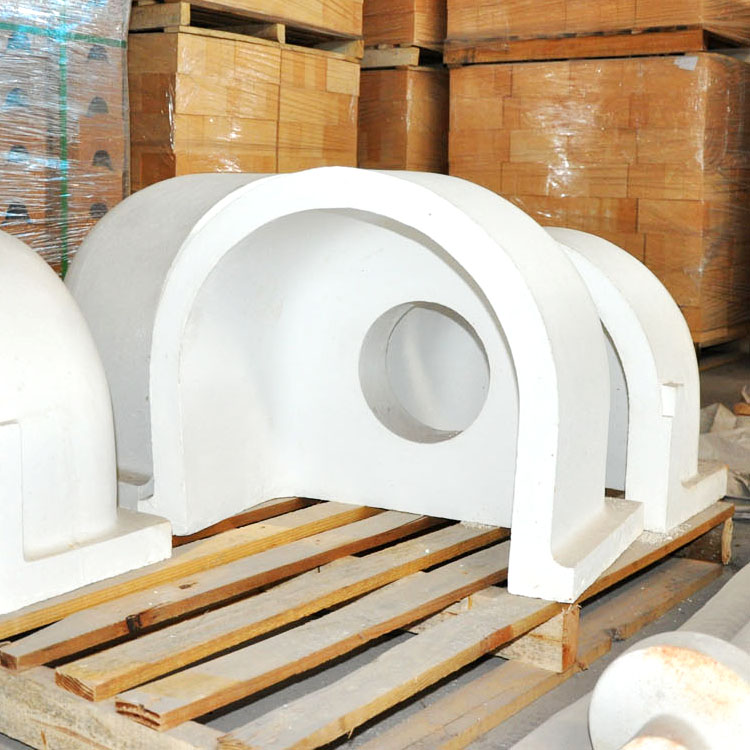
When selecting refractory materials for float glass furnaces, several factors need to be considered, including glass composition, temperature gradient, and operation cycle. For glass with a high alkali content, low - sodium electrofused AZS refractory materials are more suitable because they can better resist chemical corrosion. In areas with large temperature gradients in the furnace, materials with good thermal shock resistance are required, and our low - sodium electrofused AZS refractory materials meet this requirement. By following these scientific selection principles, users can avoid losses caused by improper material selection.
Our company is committed to providing high - quality low - sodium electrofused AZS refractory materials. With advanced production technology and strict quality control, we ensure that our products have excellent performance and stability. In addition, we offer professional technical support services to help customers select the most suitable refractory materials and provide on - site installation and maintenance guidance.
Ready to upgrade your float glass furnace with our superior low - sodium electrofused AZS refractory materials? Click here to get more product information and technical support!

 250
|
250
|
 AZS bricks
refractory materials
high-temperature applications
alumina-zirconia-silicate
manufacturing process
quality standards
AZS bricks
refractory materials
high-temperature applications
alumina-zirconia-silicate
manufacturing process
quality standards
.jpg?x-oss-process=image/resize,h_600,m_lfit/format,webp) 429
|
AZS stirring rod
glass production quality
corrosion-resistant stirring tools
429
|
AZS stirring rod
glass production quality
corrosion-resistant stirring tools
 47
|
AZS rotating tube seat
corrosion resistance
glass production technology
47
|
AZS rotating tube seat
corrosion resistance
glass production technology
 467
|
fused AZS cast blocks
glass furnace wear-resistant materials
high-temperature corrosion resistance
Al2O3-ZrO2-SiO2 composition
thermal shock resistant refractory
467
|
fused AZS cast blocks
glass furnace wear-resistant materials
high-temperature corrosion resistance
Al2O3-ZrO2-SiO2 composition
thermal shock resistant refractory
 101
|
AZS bricks
manufacturing process
high-temperature performance
fused alumina-zirconia-silicate
refractory materials
ISO international certification
101
|
AZS bricks
manufacturing process
high-temperature performance
fused alumina-zirconia-silicate
refractory materials
ISO international certification


.jpg?x-oss-process=image/resize,m_fill,h_200,w_200/format,webp)