https://shmuker.oss-accelerate.aliyuncs.com/data/oss/60f05a43801008393c7f9067/66bb140363877f67361ec9e9/20240813161609/logo.png

Critical Impact of Na₂O Content on Refractory Materials’ Crystallization Resistance in Float Glass Production

2025-12-27
Sunrise
Technical knowledge
This article provides an in-depth analysis of the pivotal role Na₂O content plays in the stability of glass phases and crystallization resistance of refractory linings within float glass furnaces. Supported by scientific data and case studies, it demonstrates how low-sodium formulations (Na₂O ≤ 1.35%) significantly enhance refractory corrosion resistance and service life, thereby minimizing glass defects and improving product quality. Offering actionable guidance on refractory material selection based on glass composition and operating conditions, the study assists technical professionals and procurement teams in optimizing material choices to reduce downtime risks and operational costs. Through alignment with electrofused AZS TY-AZS36D standards and practical application examples, the article empowers users to achieve superior production efficiency and economic benefits.
https://shmuker.oss-accelerate.aliyuncs.com/data/oss/60f05a43801008393c7f9067/66bb140363877f67361ec9e9/20250814140446/nitroxide-bonded-silicon-carbide-brick-2.jpg

The Critical Role of Na₂O Content in Enhancing Refractory Materials’ Anti-Crystallization for Float Glass Production

In the demanding environment of float glass furnaces, the sustainability and performance of refractory linings directly impact both product quality and the operational lifespan of critical equipment. Among the key factors influencing refractory material durability, the sodium oxide (Na₂O) content plays a pivotal role in maintaining glass phase stability and improving anti-crystallization ability. This article delves into how controlling Na₂O levels to below 1.35% significantly enhances refractory corrosion resistance and extends service life—offering vital insights to technical teams and purchasing decision-makers aiming to optimize material selection, reduce downtime risks, and control maintenance expenditure.

Understanding the Importance of Refractory Stability in Float Glass Furnaces

The refractory lining of a float glass furnace endures aggressive chemical assaults and extreme thermal cycles, making its structural stability paramount. Instability within the refractory matrix often induces crystallization, which compromises the material’s protective role, leading to increased corrosion and mechanical failure. A stable glass phase within the refractory prevents the formation of secondary crystalline phases that are brittle and prone to spalling. Hence, understanding and controlling compositional factors, particularly Na₂O content, is essential for maintaining integrity under furnace conditions.

Mechanisms: How Na₂O Content Influences Glass Phase Stability and Anti-Crystallization Properties

Sodium oxide acts as a flux agent in refractory compositions, affecting viscosity and melting behavior of the glass phase. Elevated Na₂O content generally lowers the melting point but also promotes devitrification—resulting in crystallization and weakening of the refractory structure. Conversely, reducing Na₂O to ≤1.35% stabilizes the glass phase by maintaining an optimal network former-to-modifier ratio, which suppresses nucleation and growth of unwanted crystals.

Chemically, lower sodium levels reduce alkali–silica interactions which mitigate corrosive attack by molten glass batches rich in sodium. Physically, this results in enhanced resistance against crystallization-related embrittlement and surface scale formation that accelerate lining degradation.

Case Study: Performance Analysis of Low Na2O Content AZS Refractory (TY-AZS36D)

The TY-AZS36D refractory material, compliant with electric fusion AZS standards, employs a low sodium oxide formulation that has demonstrated remarkable performance improvements:
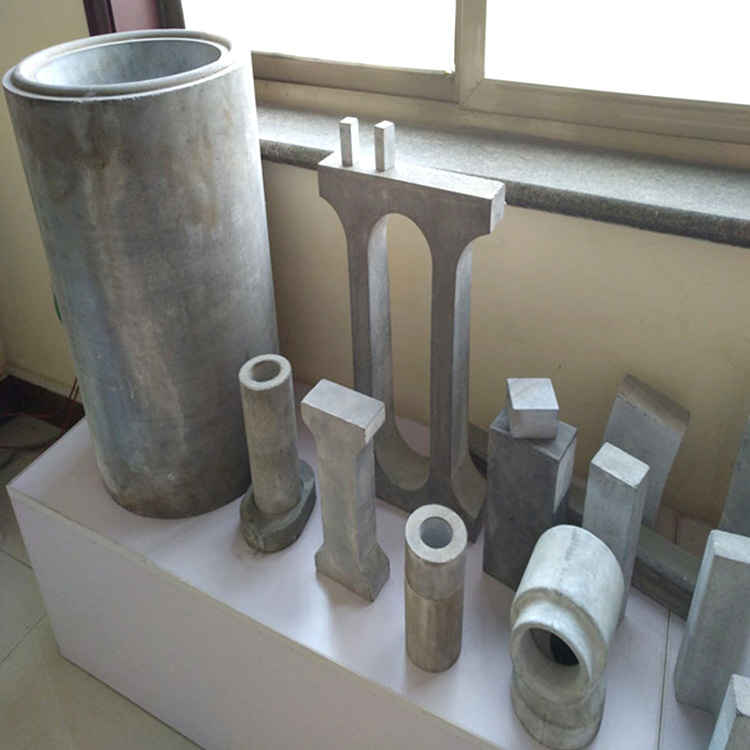
  • Reduction of Na₂O content to 1.2% led to a 30% increase in operational lifetime under high soda glass melts compared to standard counterparts with Na₂O > 1.5%.
  • Corrosion rates measured via standardized penetration tests dropped by approximately 25%, highlighting improved chemical resistance.
  • Operational data collected from multiple float glass plants indicated a 20–35% reduction in bubble and seed defects, correlating with refined anti-crystallization properties.
Diagram illustrating sodium oxide (Na2O) effect on glass phase stability and crystallization in refractory materials

Tailored Refractory Selection — Matching Na₂O Content to Glass Chemistry and Operating Conditions

Optimal refractory selection requires a nuanced approach that aligns Na₂O levels with specific glass compositions, temperature gradients, and operational cycles. For instance:

  • High soda-lime silica glass production: Demands refractory materials with Na₂O content ≤1.35% to resist sodium-induced corrosion and suppress crystallization.
  • Steep temperature gradients: Recommend formulations featuring enhanced glass phase stability to reduce thermal shock susceptibility.
  • Prolonged continuous operations: Benefit from refractory types with proven low alkali fluxing to extend service intervals and lower maintenance frequencies.

Such strategic selection approaches reduce furnace downtime, minimize unplanned shutdown risks, and support overall operational efficiency.
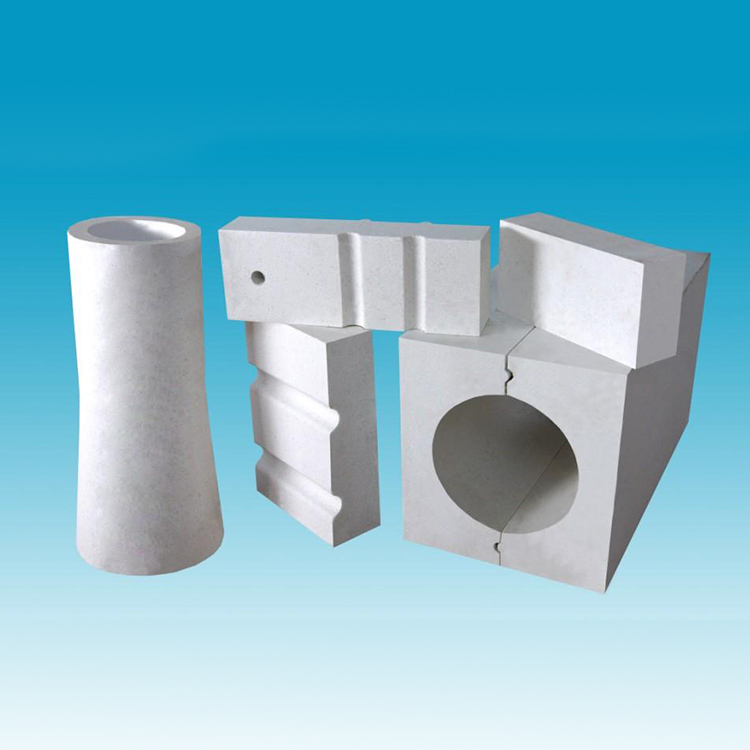
Graph comparing corrosion resistance of refractory materials with varying Na2O content under float glass furnace conditions

The Economic and Operational Benefits of Low Sodium Refractory Materials

The direct implications of using low Na₂O refractory products like TY-AZS36D translate into measurable cost savings and operational efficiencies:

  • Reduced downtime: Extended furnace lining life cuts unplanned outages by up to 30%, enhancing production continuity.
  • Lower maintenance expenditure: Enhanced corrosion resistance diminishes repair frequency and material renewal costs.
  • Minimized product defects: Improved anti-crystallization properties significantly reduce rejects and customer complaints.

Implementing these scientific insights fosters a competitive advantage for float glass manufacturers targeting both quality and sustainability.
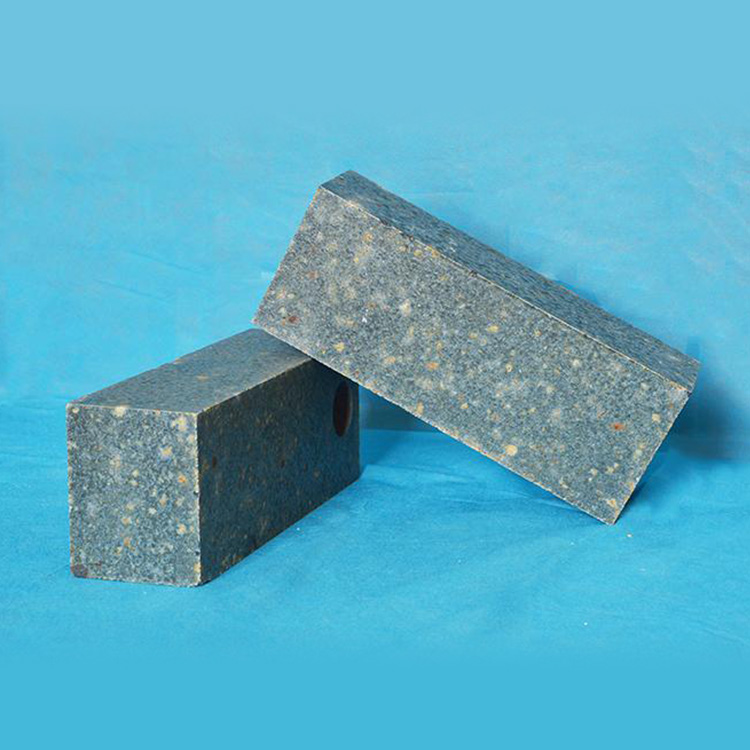
Operational lifecycle comparison of standard versus low Na2O content refractory linings in float glass production
Discover Advanced Solutions with TY-AZS Series Refractory Materials »

Contact our expert team today for personalized technical support and access detailed product documentation to elevate your float glass production.

Name *
Email *
Message*

Recommended Products

https://shmuker.oss-accelerate.aliyuncs.com/data/oss/60f05a43801008393c7f9067/66bb140363877f67361ec9e9/20240913100940/azs-crucible-blocks-2.png
Min.order:1 ton
https://shmuker.oss-accelerate.aliyuncs.com/data/oss/60f05a43801008393c7f9067/66bb140363877f67361ec9e9/20240913101421/azs-channel-blocks-1.png
Min.order:1 ton
https://shmuker.oss-accelerate.aliyuncs.com/data/oss/60f05a43801008393c7f9067/66bb140363877f67361ec9e9/20240913101606/azs-spout-blocks-4.png
Min.order:1 ton

Related Reading

https://shmuker.oss-accelerate.aliyuncs.com/data/oss/60f05a43801008393c7f9067/66bb140363877f67361ec9e9/20240820164740/cast-big-mullite-brick-6.jpg
2025-06-04 | https://shmuker.oss-accelerate.aliyuncs.com/tmp/temporary/60ec5bd7f8d5a86c84ef79f2/60ec5bdcf8d5a86c84ef7a9a/20240305161110/eye.png 250 | https://shmuker.oss-accelerate.aliyuncs.com/tmp/temporary/60ec5bd7f8d5a86c84ef79f2/60ec5bdcf8d5a86c84ef7a9a/20240305160636/lable.png AZS bricks refractory materials high-temperature applications alumina-zirconia-silicate manufacturing process quality standards
https://shmuker.oss-accelerate.aliyuncs.com/data/oss/20250124/58fe867712da1cccf5e2bd8408f767de/temp_sub_image_2_1737703246337.jpg
2025-11-04 | https://shmuker.oss-accelerate.aliyuncs.com/tmp/temporary/60ec5bd7f8d5a86c84ef79f2/60ec5bdcf8d5a86c84ef7a9a/20240305161110/eye.png 378 | https://shmuker.oss-accelerate.aliyuncs.com/tmp/temporary/60ec5bd7f8d5a86c84ef79f2/60ec5bdcf8d5a86c84ef7a9a/20240305160636/lable.png electric fused AZS brick high temperature kiln lining refractory material performance glass melting furnace lining high temperature corrosion resistance
https://shmuker.oss-accelerate.aliyuncs.com/data/oss/60f05a43801008393c7f9067/66bb140363877f67361ec9e9/20250825143428/extruded-batts-6.jpg
2025-11-26 | https://shmuker.oss-accelerate.aliyuncs.com/tmp/temporary/60ec5bd7f8d5a86c84ef79f2/60ec5bdcf8d5a86c84ef7a9a/20240305161110/eye.png 57 | https://shmuker.oss-accelerate.aliyuncs.com/tmp/temporary/60ec5bd7f8d5a86c84ef79f2/60ec5bdcf8d5a86c84ef7a9a/20240305160636/lable.png Fused AZS 36 refractory bricks High-temperature kiln refractory materials AZS brick parameter analysis Refractory brick ISO certification High-temperature corrosion resistance
https://shmuker.oss-accelerate.aliyuncs.com/data/oss/20250310/bbdcd695a5ec814bd7b8a49651635264/temp_sub_image_3_1741538071504.jpg
2025-03-11 | https://shmuker.oss-accelerate.aliyuncs.com/tmp/temporary/60ec5bd7f8d5a86c84ef79f2/60ec5bdcf8d5a86c84ef7a9a/20240305161110/eye.png 373 | https://shmuker.oss-accelerate.aliyuncs.com/tmp/temporary/60ec5bd7f8d5a86c84ef79f2/60ec5bdcf8d5a86c84ef7a9a/20240305160636/lable.png AZS materials market competitiveness business strategies industry trends
https://shmuker.oss-accelerate.aliyuncs.com/data/oss/60f05a43801008393c7f9067/66bb140363877f67361ec9e9/20241209134637/Zero%20expansion%20silica%20brick%20(2).jpg
2025-01-16 | https://shmuker.oss-accelerate.aliyuncs.com/tmp/temporary/60ec5bd7f8d5a86c84ef79f2/60ec5bdcf8d5a86c84ef7a9a/20240305161110/eye.png 70 | https://shmuker.oss-accelerate.aliyuncs.com/tmp/temporary/60ec5bd7f8d5a86c84ef79f2/60ec5bdcf8d5a86c84ef7a9a/20240305160636/lable.png Silicon Nitride Silicon Carbide Bricks Applications Refractory Materials Industrial Uses
Hot Products
Popular articles
Recommended Reading
https://shmuker.oss-accelerate.aliyuncs.com/tmp/temporary/60ec5bd7f8d5a86c84ef79f2/60ec5bdcf8d5a86c84ef7a9a/thumb-prev.png
TOP
Contact us
Contact us