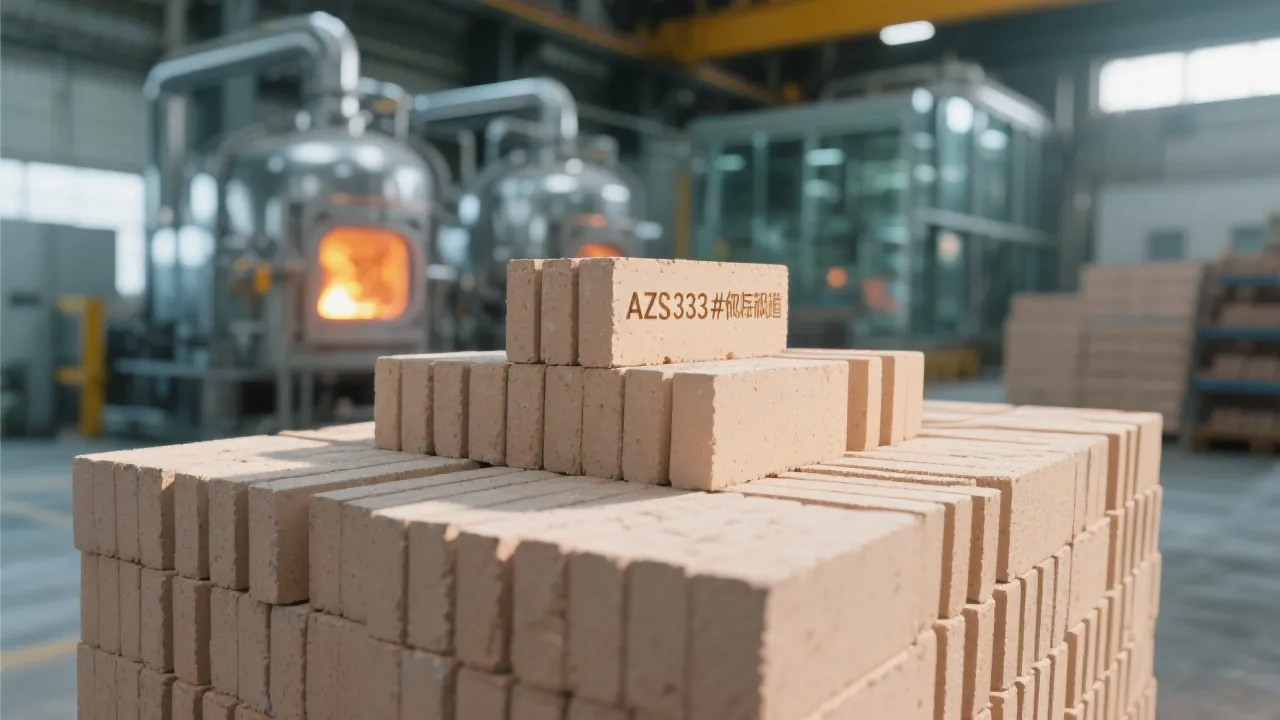
In the operation of float glass furnaces, the stability of the glass phase in refractory materials directly determines the service life of the equipment and the quality of the products. To understand how to optimize the glass - phase stability of fused AZS refractory materials, it is essential to first delve into the mechanism of Na₂O in the AZS system.
From a chemical composition perspective, Na₂O in AZS can react with other components, altering the overall chemical balance. Physically, this change affects the melting point, viscosity, and other properties of the glass phase. For example, an appropriate amount of Na₂O can lower the melting point of the glass phase, but an excessive amount may lead to instability and reduce the anti - corrosion and anti - crystallization abilities of the refractory material.
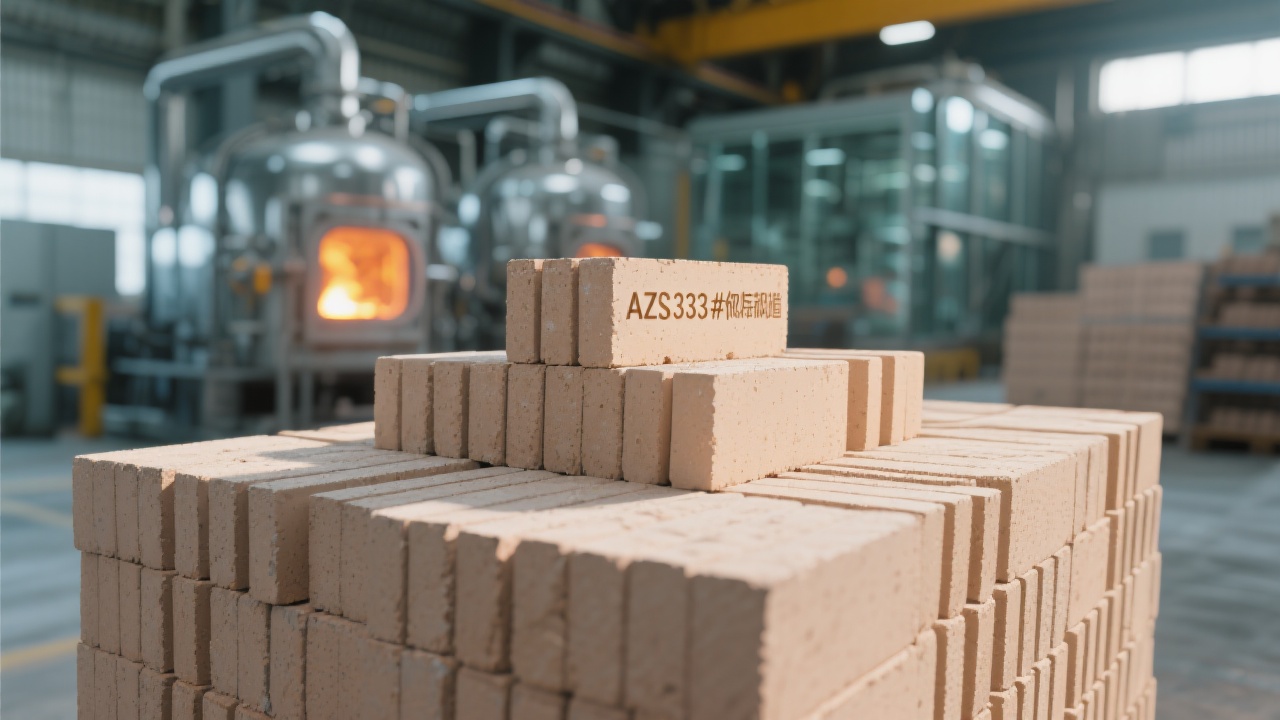
Traditional AZS refractory materials usually have a relatively high Na₂O content. In contrast, low - sodium AZS, such as TY - AZS36D, has significant advantages in high - temperature stability and corrosion resistance.
The glass phase of traditional AZS is prone to crystallization at high temperatures, which can cause blockages in the furnace and affect the normal operation of the equipment. However, low - sodium AZS has a higher glass - phase precipitation temperature. By reducing the Na₂O content to below 1.35%, the glass - phase precipitation temperature can reach ≥1400℃, effectively reducing bubble defects and extending the service life of the furnace.
The apparent porosity of low - sodium AZS (e.g., TY - AZS36D) ≤2.0%, and the room - temperature compressive strength ≥300 MPa, indicating its excellent physical properties.
Practical applications have provided strong evidence for the superiority of low - sodium AZS. For instance, in a certain float line, after using low - sodium AZS, the number of furnace shutdowns decreased by 40%, and the glass defect rate was reduced by 60%.
In the side walls of bottle kilns and other key parts, the application of low - sodium AZS has shown remarkable results. The low - sodium formula can better withstand the erosion of high - temperature glass and maintain the stability of the glass phase, ensuring the quality of the glass products.
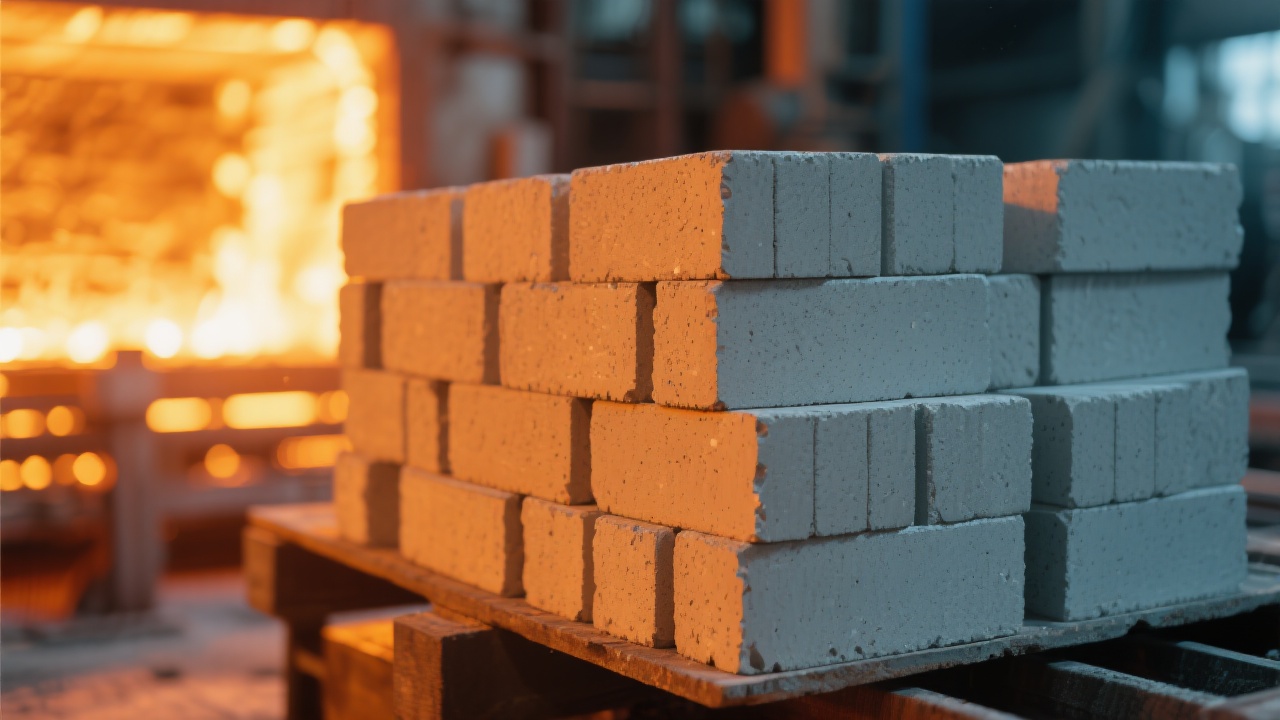
Selecting the appropriate fused AZS refractory material is crucial for the efficient operation of glass furnaces. The selection should be based on factors such as the type of glass (soda - lime - silica or borosilicate), the operating temperature range, and the periodic maintenance requirements.
| Glass Type | Operating Temperature Range | Recommended Material Grade |
|---|---|---|
| Soda - lime - silica glass | 1300 - 1500℃ | TY - AZS36D |
| Borosilicate glass | 1400 - 1600℃ | TY - AZS41 |
Products in the TY - AZS series have obtained ISO certification, which indicates their high - level technical reliability. These products have also been long - term verified in overseas markets.
ISO certification ensures that the products meet international standards in terms of quality, safety, and performance. For overseas customers, choosing ISO - certified TY - AZS refractory materials means choosing a reliable and high - quality solution.

In conclusion, by adjusting the Na₂O content, we can effectively optimize the glass - phase stability of fused AZS refractory materials. Low - sodium AZS offers significant advantages in high - temperature stability, anti - corrosion, and anti - crystallization. If you want to learn more about our technology and get customized selection support, please download our technical whitepaper by clicking here.