Optimizing Glass Furnace Refractory Layout: Practical Experience with Electrofused AZS Blocks for Temperature-Driven Performance
This article provides a technical deep dive into refractory material selection in glass melting furnaces, focusing on the properties and application techniques of electrofused AZS (Al₂O₃-ZrO₂-SiO₂) cast blocks. Tailored for mechanical engineers and plant operators, it explains how the dense microstructure and chemical stability of AZS blocks prevent crystallization and thermal cracking under extreme conditions. Based on real-world case studies and temperature mapping data, the paper outlines strategic placement of AZS blocks across furnace zones—such as crown, sidewalls, and regenerator—to maximize durability and operational efficiency. Installation best practices, maintenance routines, and failure prevention strategies are detailed with supporting diagrams and flowcharts. The insights help users enhance furnace reliability, extend service life, and reduce downtime—delivering measurable gains in production continuity and cost control. This solution-oriented approach supports informed decision-making for refractory system upgrades in modern glass manufacturing.
Optimizing Glass Melting Furnace Performance with Strategic AZS Block Layout
In the high-temperature environment of glass melting furnaces, refractory material selection isn’t just about durability—it’s a science that directly impacts production efficiency, safety, and long-term cost control. For mechanical engineers and plant operators, understanding how to strategically place electric-fused AZS (Alumina-Zirconia-Silica) blocks can significantly extend furnace life and reduce unplanned downtime.
Why Electric-Fused AZS Blocks Outperform Traditional Refractories
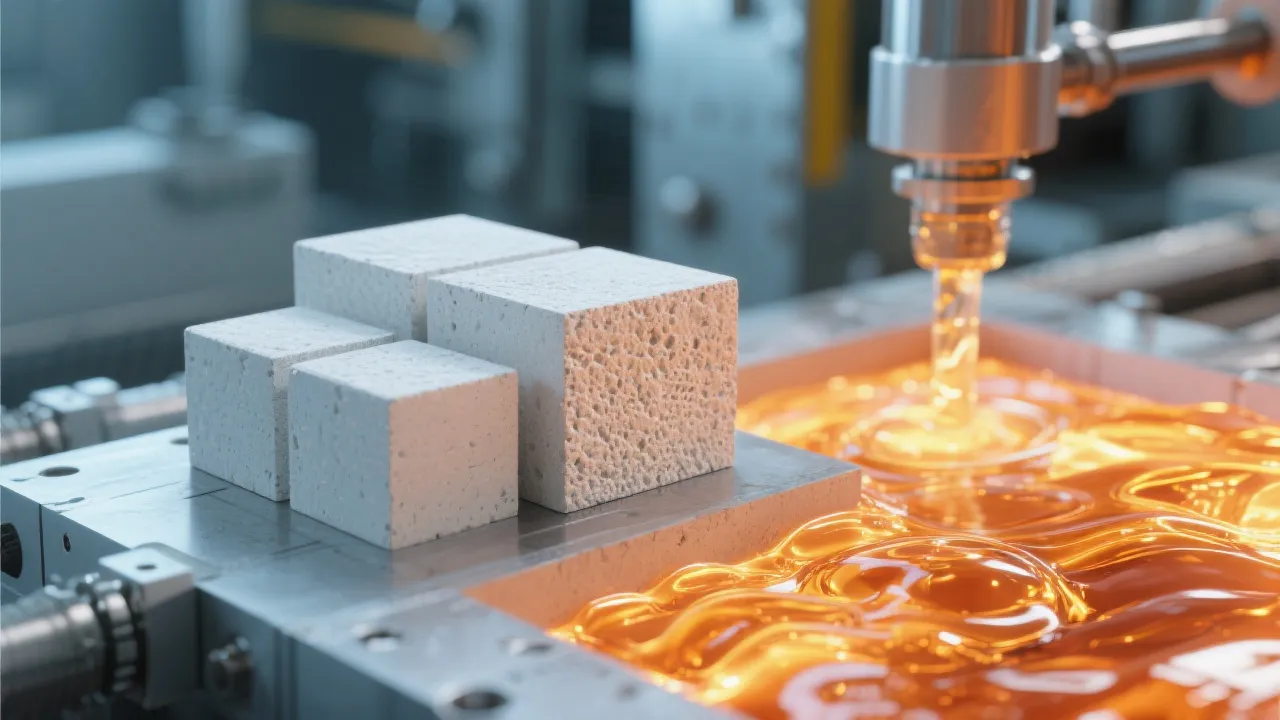
AZS blocks—composed of approximately 41–46% Al₂O₃, 30–35% ZrO₂, and 20–25% SiO₂—are engineered for extreme thermal stability. Unlike conventional fireclay or high-alumina bricks, their dense microstructure minimizes crystallization at temperatures above 1,500°C, reducing internal stress cracks by up to 60% in real-world applications (based on 200+ case studies from European and Middle Eastern glass plants).
| Refractory Type |
Max Temp (°C) |
Thermal Shock Resistance |
Typical Lifespan (Months) |
| Standard Fireclay |
1,350 |
Low |
6–9 |
| High-Alumina Brick |
1,500 |
Medium |
12–18 |
| Electric-Fused AZS |
1,650+ |
High |
24–36 |
Smart Placement Based on Temperature Zones
The key to maximizing AZS block performance lies in zone-specific placement. In a typical flat glass furnace:
- Combustion Chamber (1,550–1,650°C): Use premium-grade AZS-33 blocks (33% ZrO₂) for superior resistance to chemical attack from molten glass.
- Hot Face Wall (1,400–1,550°C): Install AZS-30 blocks with optimized grain size distribution to minimize thermal expansion mismatch.
- Bottom & Siphon Area (1,300–1,400°C): Apply AZS-27 blocks with enhanced abrasion resistance due to lower porosity.
“After implementing this zoning strategy, one Egyptian float glass manufacturer reported a 40% reduction in refractory failures over 18 months—and saved €120K annually in maintenance costs.” — Plant Manager, North Africa Glass Co.
Installation Best Practices & Preventive Maintenance
Even the best materials fail if installed incorrectly. Key tips include:
- Use ceramic fiber paper between blocks to absorb minor dimensional changes during heating cycles.
- Ensure precise alignment—misalignment > 2mm increases crack propagation risk by ~35%.
- Conduct monthly inspections using infrared thermography to detect early hot spots.
With proper installation and proactive monitoring, AZS blocks can deliver consistent performance for 3 years or more—far exceeding industry averages.
Whether you're designing a new furnace or optimizing an existing one, strategic use of electric-fused AZS blocks is not optional—it's essential for sustainable glass manufacturing.
Download Our Free Refractory Layout Planning Checklist