As a procurement or technical engineer in the glass industry, you're well - aware of the challenges in selecting the right refractory materials for the sidewalls of glass melting furnace working pools. In this guide, we'll explore how the fused AZS33# block can be your ideal solution, addressing the common pain points in the operation of glass melting furnaces.
During the operation of glass melting furnaces, refractory materials often face several failure problems. Erosion by molten glass is a significant concern. On average, traditional refractory materials may experience an erosion rate of about 3 - 5 mm per year in high - temperature and corrosive environments. Thermal shock cracking can also occur due to rapid temperature changes during the start - up and shutdown of the furnace. Additionally, crystallization blockages may form in the channels, reducing the efficiency of glass production and increasing the frequency of furnace shutdowns for maintenance.
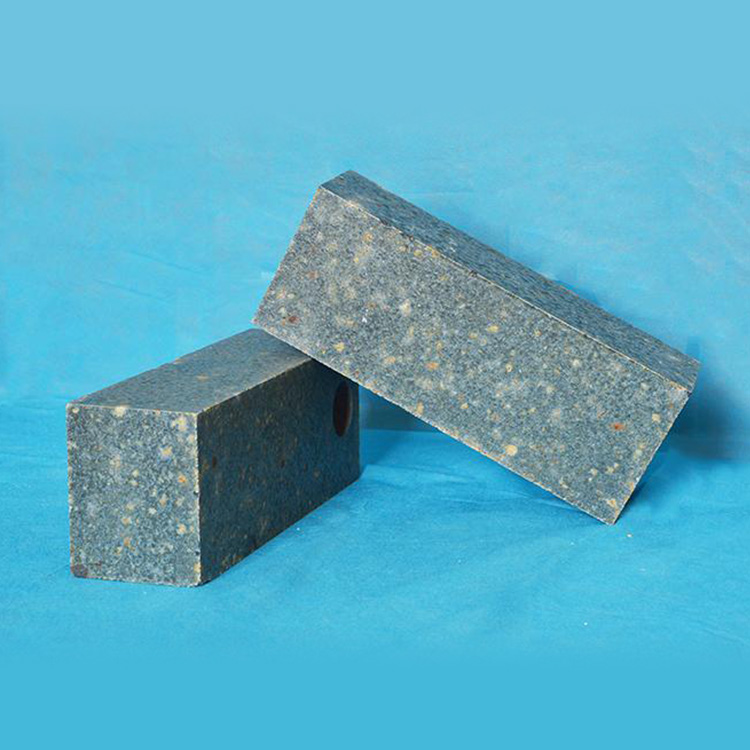
The AZS33# block is composed of Al2O3 - ZrO2 - SiO2. The scientific ratio of high - purity alumina and zirconia is the key to its excellent performance. The alumina content is typically around 65 - 70%, zirconia about 33%, and silica about 5 - 10%. This specific composition provides a stable crystal structure and high - temperature resistance.
The electro - fusion process used in the production of AZS33# blocks significantly enhances their density and chemical stability. Through high - temperature melting and rapid cooling, the block forms a dense microstructure, which reduces the porosity and improves the resistance to molten glass corrosion. According to laboratory tests, the porosity of AZS33# blocks is less than 1%, while that of traditional refractory materials can be as high as 5 - 10%.
The AZS33# block has excellent application value in various positions of the glass melting furnace:
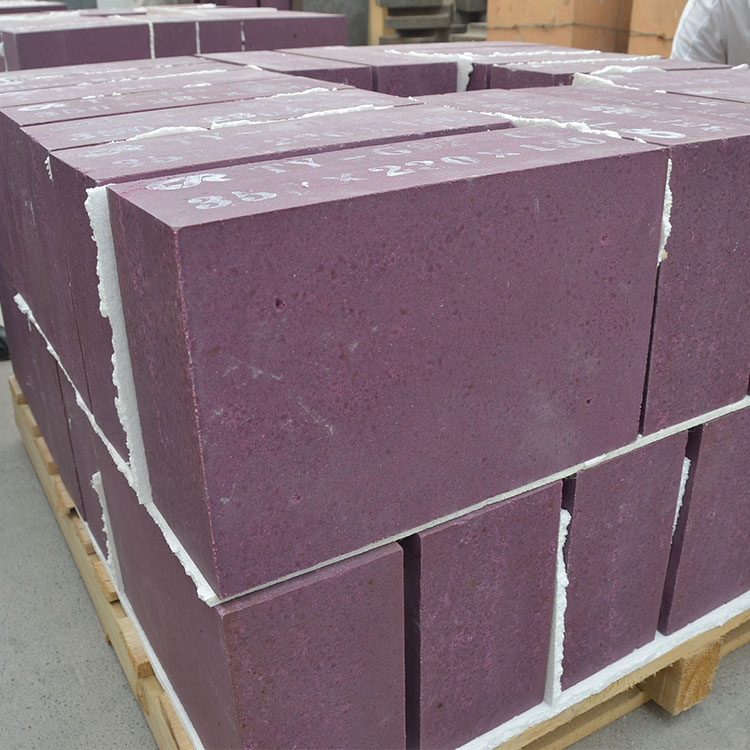
Let's compare the AZS33# block with common refractory materials such as mullite, high - alumina bricks, and zircon sand bricks through laboratory data and industry standards (e.g., GB/T). The following table shows the comparison:
| Material | Erosion Resistance (mm/year) | Thermal Shock Resistance | Service Life (years) |
|---|---|---|---|
| AZS33# Block | 1 - 2 | Excellent | 10 - 15 |
| Mullite | 3 - 5 | Good | 5 - 8 |
| High - Alumina Bricks | 4 - 6 | Fair | 3 - 6 |
| Zircon Sand Bricks | 2 - 4 | Good | 6 - 10 |
The AZS33# block can significantly extend the service life of the glass melting furnace, reducing the frequency of furnace shutdowns for maintenance. This means less downtime loss, improved operational reliability, and long - term maintenance cost savings. By choosing the AZS33# block, you can make a more reliable and economical procurement decision.

We encourage you to share your thoughts and experiences on refractory material selection in the comments below. Are you considering upgrading your furnace's refractory materials? Click here to learn more about how the AZS33# block can transform your glass production process.