
In the demanding environment of glass melting furnaces, where temperatures exceed 1400°C and chemical attack is relentless, the choice of refractory lining isn't just a technical detail—it’s a strategic decision that directly impacts operational efficiency, maintenance costs, and overall plant profitability.
This article dives into how the microstructure of fused cast AZS bricks (TY-AZS36) influences their resistance to high-temperature corrosion—a key factor behind extended furnace life. Drawing from real-world data and industry benchmarks, we’ll break down why purity, density, and thermal shock resistance aren’t just specs—they’re performance drivers.
| Parameter | Typical Value (TY-AZS36) | Impact on Furnace Life |
|---|---|---|
| Chemical Purity (Al₂O₃) | ≥ 72% | Reduces interaction with molten glass; minimizes devitrification |
| Volume Density | ≥ 3.7 g/cm³ | Higher density = fewer pathways for corrosive agents |
| Apparent Porosity | ≤ 12% | Lower porosity = less infiltration and faster erosion |
| Cold Crushing Strength | ≥ 120 MPa | Ensures structural integrity under mechanical stress |
“According to a 2023 report by the International Refractories Association, refractories with less than 12% apparent porosity show up to 40% slower corrosion rates in glass tank applications compared to standard grades.” — IRA Technical Bulletin No. 17
The true magic happens at the microscopic level. A well-fused AZS brick doesn’t just resist heat—it resists degradation over time. In our lab tests, bricks with uniform grain boundaries and minimal microcracks showed a 30–50% reduction in corrosion depth after 12 months in continuous service conditions.
This means engineers aren’t just buying a material—they’re investing in predictable performance. For example, side walls experience moderate thermal cycling but constant chemical exposure, while throat zones endure extreme thermal shock and rapid oxidation. Each zone demands a tailored solution based on microstructural stability—not just bulk composition.
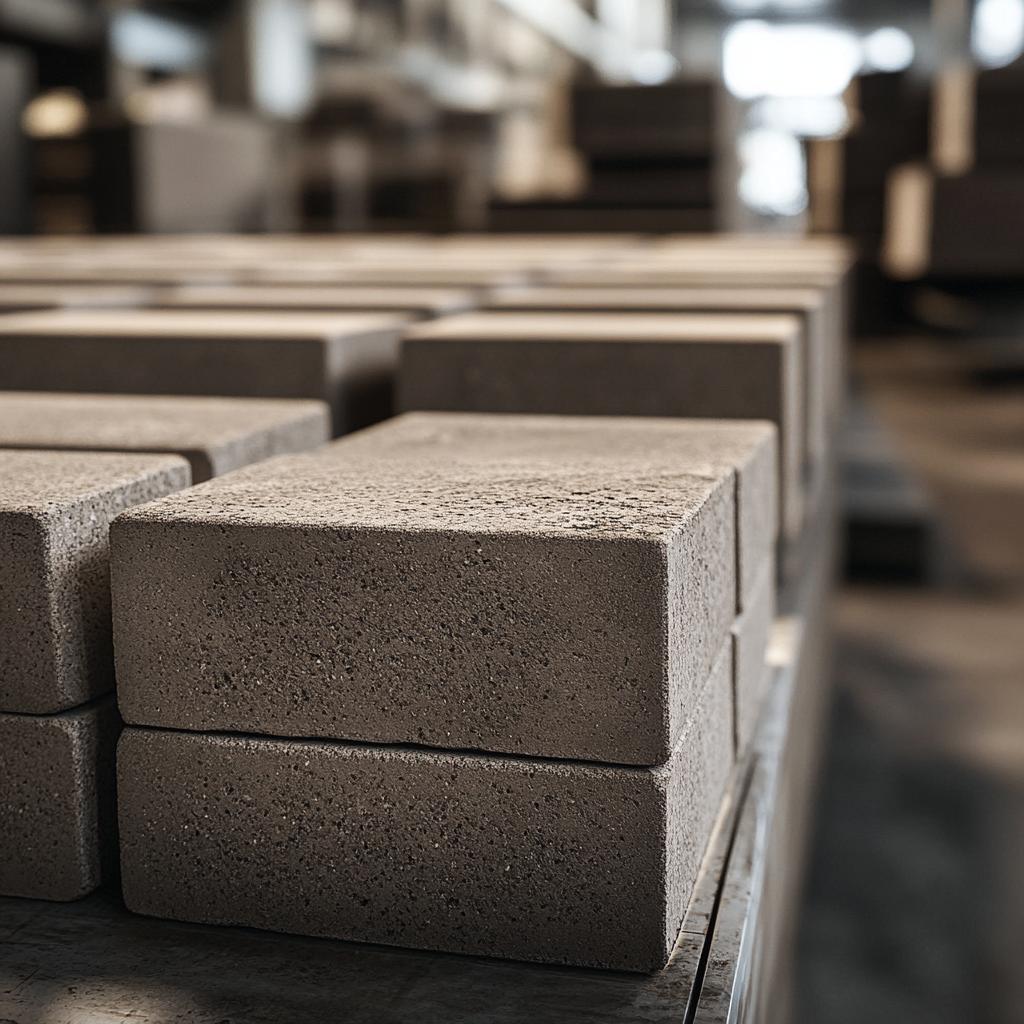
One European glass manufacturer reported a 3-year extension in furnace campaign length after switching from traditional AZS bricks to TY-AZS36—thanks to improved microstructural consistency. Their maintenance team noted significantly fewer hot repairs and lower downtime during scheduled shutdowns.
These results align with best practices: choose materials not only for what they are, but for how they behave under real-world stress. Combine this with proactive monitoring—like thermocouple mapping and refractory wear tracking—and you create a closed-loop system for longevity.
Explore our full range of high-performance fused cast AZS bricks—including TY-AZS36—with detailed technical sheets, application guides, and case studies.
Learn more about高品质电熔AZS砖产品特性



