Glass melting furnaces often face a series of challenges that can lead to significant losses. Sidewall damage is a frequent issue. The sidewalls are constantly exposed to high - temperature glass melts and chemical corrosion, resulting in frequent breakages. Erosion is another major problem. Aggressive chemicals in the glass mixture eat away at the refractory lining, reducing its thickness and integrity. Thermal shock cracking also occurs due to rapid temperature changes during the melting process. These problems can force the furnace to shut down for repairs, leading to substantial production losses and increased maintenance costs.
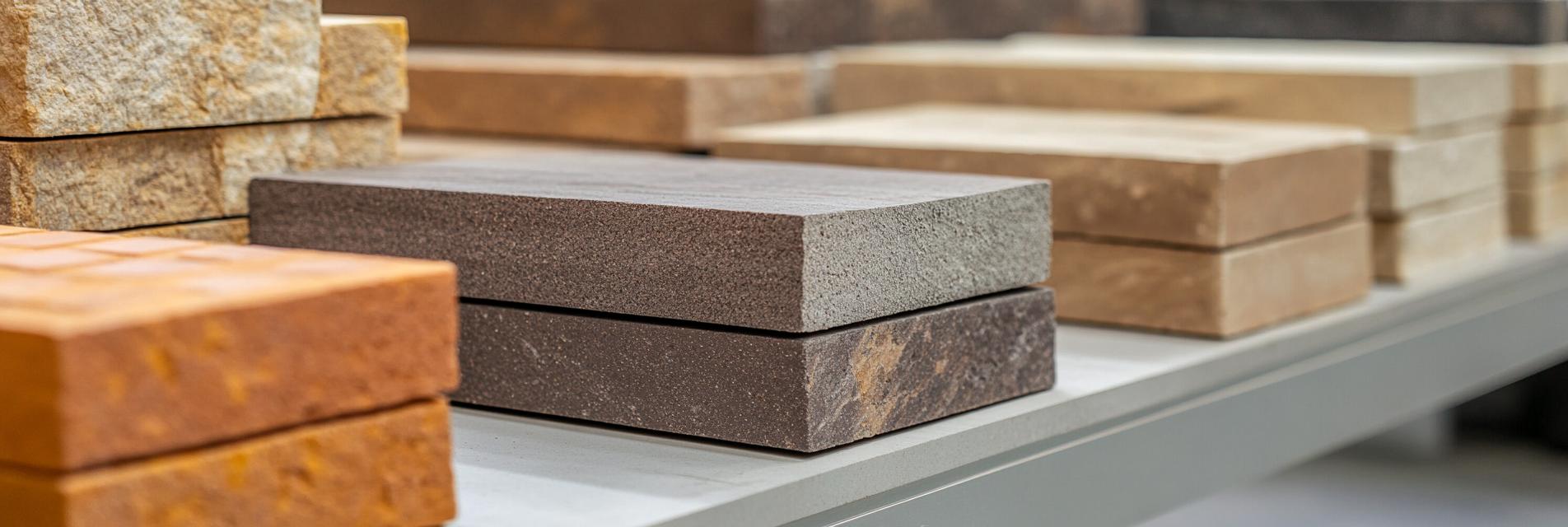
The TY - AZS36 series of fused AZS refractory bricks owe their excellent performance to their unique chemical composition. With a high - purity Al₂O₃ content of ≥49% and ZrO₂ content of ≥35.5%, these two key components work in synergy. Al₂O₃ provides high - temperature resistance and mechanical strength, while ZrO₂ enhances the corrosion resistance. The specific ratio of these two elements is carefully optimized to achieve the best performance in resisting the aggressive environment of glass melting furnaces.
The microstructure of TY - AZS36 is also a significant factor in its superiority. It has a dense structure with an apparent porosity of ≤1.0% and a bulk density of ≥3.85g/cm³. The low porosity means there are fewer voids for corrosive substances to penetrate, and the high density provides better mechanical strength. This dense structure also contributes to excellent thermal shock stability at high temperatures and a low glass - phase precipitation temperature of ≥1400℃.
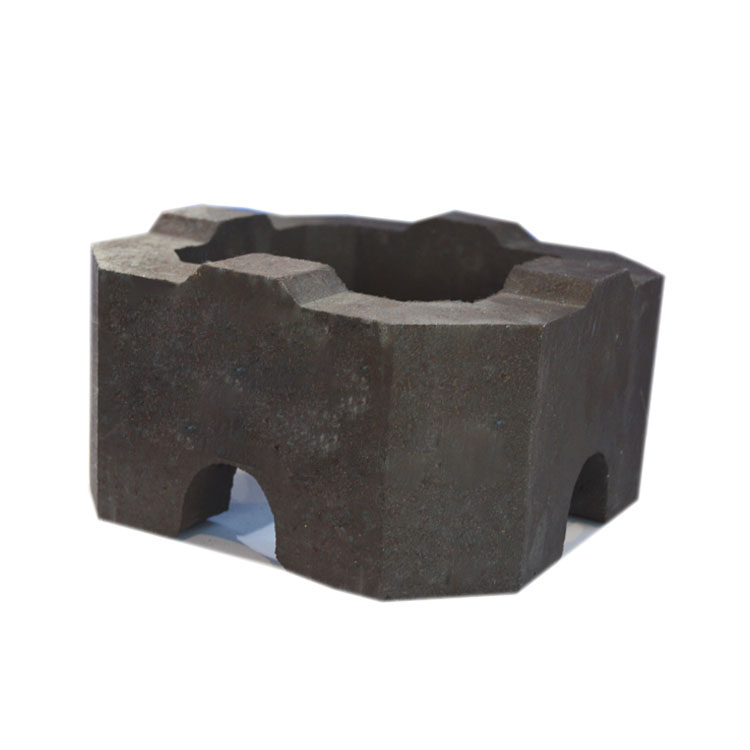
TY - AZS36 has been widely used in various critical parts of glass melting furnaces. In sidewall applications, compared with ordinary AZS bricks, TY - AZS36 shows much better resistance to corrosion and thermal shock, significantly reducing the frequency of sidewall damage. At the ventilation ports, the high - temperature resistance and corrosion resistance of TY - AZS36 ensure smooth air circulation and prevent blockages. For the throat area, which is in direct contact with the flowing glass melt, TY - AZS36 can withstand the strong scouring and corrosion, maintaining its integrity for a longer time. In the bottom brick application, it provides a stable foundation for the furnace. And for electrode sealing, its excellent insulation and corrosion resistance properties ensure the normal operation of the electrodes.
| Application Scenario | Advantages over Ordinary AZS Bricks |
|---|---|
| Sidewall | Better corrosion and thermal shock resistance, longer service life |
| Ventilation Ports | High - temperature and corrosion resistance, prevents blockages |
| Throat | Withstands strong scouring and corrosion |
| Bottom Brick | Provides stable foundation |
| Electrode Sealing | Excellent insulation and corrosion resistance |
To ensure the long - term performance of TY - AZS36 in glass melting furnaces, proper maintenance is crucial. Controlling the temperature gradient is essential. Sudden temperature changes should be avoided as much as possible to prevent thermal shock cracking. Regular thickness measurement is also necessary. By monitoring the thickness of the refractory lining, operators can detect early signs of wear and take timely measures. Marking abnormal points is another useful strategy. When any signs of damage or abnormal corrosion are found, they should be marked for close monitoring and timely repair.
The TY - AZS36 series of products are ISO - certified, which provides a strong guarantee of their quality and reliability. In the current trend of green manufacturing and energy conservation, high - life refractory materials like TY - AZS36 play a vital role. They can reduce the frequency of furnace shutdowns and replacements, saving energy and reducing waste. This not only benefits the environment but also brings significant economic benefits to manufacturers.
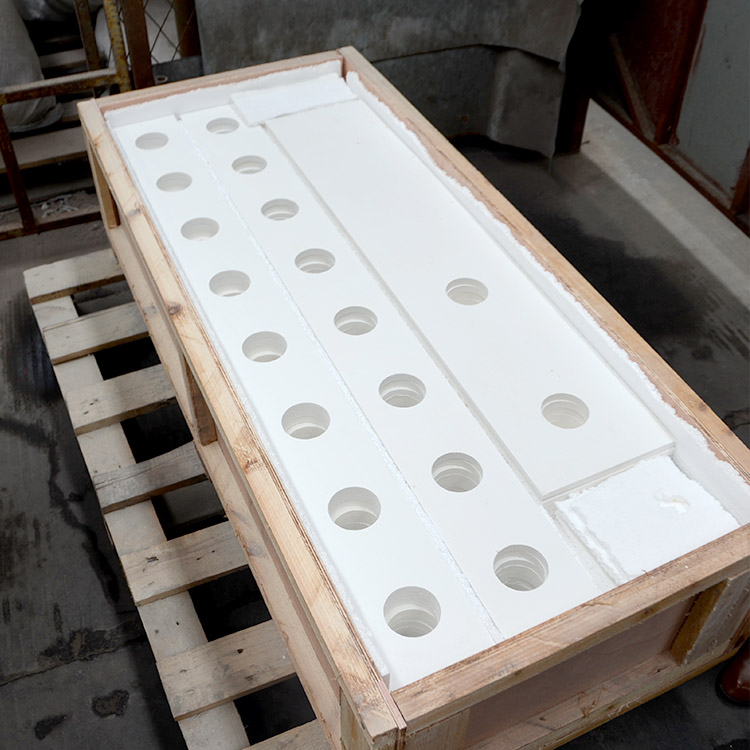
If you are interested in learning more about the technical parameters of the TY - AZS36 series of fused AZS refractory bricks or want to obtain a complete technical whitepaper, click here to take the next step in optimizing your glass melting furnace operations.