https://shmuker.oss-accelerate.aliyuncs.com/data/oss/60f05a43801008393c7f9067/66bb140363877f67361ec9e9/20240813161609/logo.png

Understanding Corrosion Resistance in High-Temperature Kiln Lining Materials: Why Electrically Fused AZS Brick TY-AZS36 Is the Preferred Choice

2025-10-06
Sunrise
Technical knowledge
In high-temperature industrial kilns, the corrosion resistance of lining materials directly impacts equipment lifespan and production efficiency. This article provides a detailed analysis of the key performance indicators of electrically fused AZS brick TY-AZS36—high purity Al₂O₃ and ZrO₂ content, ultra-low porosity (≤1.0%), high strength (≥300 MPa), and excellent thermal shock resistance (glass phase precipitation temperature ≥1400°C). It explores the relationship between microstructure and high-temperature corrosion rate (≤1.3 mm/24h) to guide engineers and procurement decision-makers in selecting optimal refractory materials. Real-world applications in glass melting furnaces illustrate how precise material matching based on operating conditions ensures stable operation and cost optimization.
https://shmuker.oss-accelerate.aliyuncs.com/data/oss/60f05a43801008393c7f9067/66bb140363877f67361ec9e9/20250814153749/Direct-binding-magnesium-chromium-brick-3.jpg

Understanding the Key Performance Metrics of High-Temperature Refractory Bricks for Corrosion Resistance

In industrial kiln operations—especially in glass manufacturing—the inner lining material is more than just a barrier—it’s the frontline defense against chemical attack, thermal shock, and mechanical wear. Choosing the right refractory brick isn’t just about durability; it’s a strategic decision that impacts production uptime, product quality, and long-term cost efficiency.

Why Electrofused AZS Brick TY-AZS36 Stands Out

Among the many options available, electrofused AZS brick (alumina-zirconia-silica) with composition TY-AZS36 has emerged as a benchmark for high-performance applications. Unlike traditional fireclay or basic bricks, its unique microstructure offers superior resistance to molten glass corrosion at temperatures exceeding 1400°C.

Performance Metric TY-AZS36 Value Typical Traditional Brick
Al₂O₃ Content (%) ≥ 36% ≤ 30%
ZrO₂ Content (%) ≥ 12% ≤ 5%
Apparent Porosity (%) ≤ 1.0% 3–7%
Cold Crushing Strength (MPa) ≥ 300 MPa 150–200 MPa
High-Temperature Corrosion Rate (mm/24h) ≤ 1.3 mm 3.5–6.0 mm

These figures aren’t just numbers—they represent real-world performance differences. For example, in a typical flat glass furnace operating at 1550°C, using standard bricks can lead to up to 20% higher maintenance costs over two years due to frequent replacements and downtime.

Real-World Application: Glass Melting Furnace Side Walls

Consider the side wall area of a container glass melting tank—a region exposed to both high temperature and aggressive alkali vapor. Here, the dense, fine-grained structure of TY-AZS36 minimizes pore penetration by molten glass, reducing bubble formation and surface defects in finished products. A case study from a European manufacturer showed a 40% reduction in product rejection rates after switching to this material.
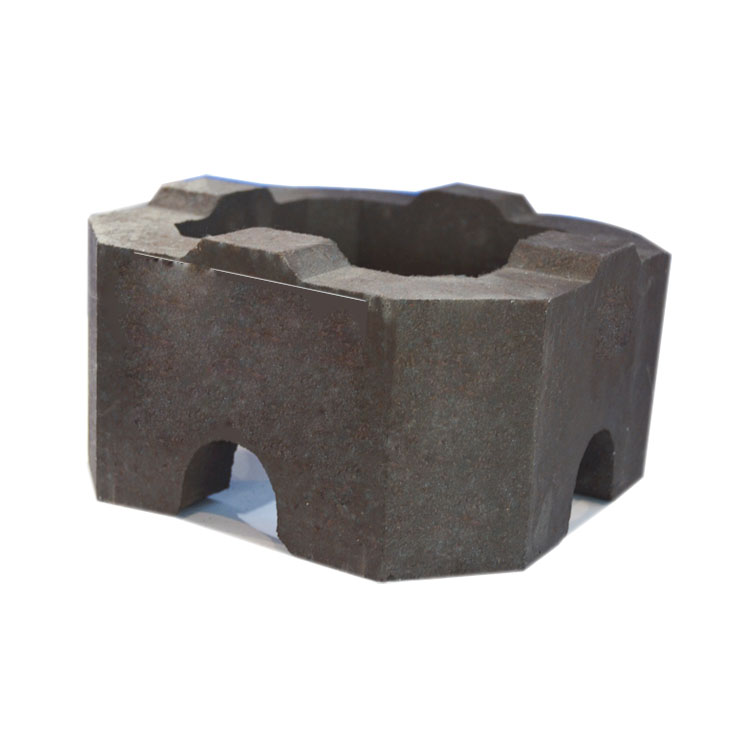
Microscopic view of electrofused AZS brick showing dense grain structure and minimal porosity

How to Select the Right Material Based on Your Kiln Conditions

Choosing the correct refractory isn’t one-size-fits-all. Engineers should consider:

  • Temperature Range: Below 1400°C? Standard bricks may suffice. Above 1450°C? Electrofused AZS becomes essential.
  • Corrosive Media: Alkali-rich environments demand higher ZrO₂ content (like TY-AZS36).
  • Thermal Cycling Frequency: Frequent start-stop cycles increase stress—high strength (>300 MPa) prevents spalling.

The investment pays off quickly when you factor in reduced downtime, lower energy consumption (due to better insulation), and improved product consistency. One client reported saving $120K annually in labor and replacement costs after optimizing their refractory selection based on these principles.

Pro Tip: Always request third-party lab reports for new materials—even if they’re labeled as “premium.” ISO 18892 certification ensures consistent quality across batches.

For engineers who want reliable, data-backed solutions—not just marketing claims—there’s no substitute for choosing materials built on precision chemistry and proven field performance.


Name *
Email *
Message*

Recommended Products

https://shmuker.oss-accelerate.aliyuncs.com/data/oss/60f05a43801008393c7f9067/66bb140363877f67361ec9e9/20240913100753/fused-cast-azs-ty-azs36d-4.png
Min.order:1 ton
https://shmuker.oss-accelerate.aliyuncs.com/data/oss/60f05a43801008393c7f9067/66bb140363877f67361ec9e9/20240913100839/fused-cast-azs-ty-azs41-1.png
Min.order:1 ton
https://shmuker.oss-accelerate.aliyuncs.com/data/oss/60f05a43801008393c7f9067/66bb140363877f67361ec9e9/20240913100940/azs-crucible-blocks-2.png
Min.order:1 ton
Hot Products
https://shmuker.oss-accelerate.aliyuncs.com/tmp/temporary/60ec5bd7f8d5a86c84ef79f2/60ec5bdcf8d5a86c84ef7a9a/thumb-prev.png
TOP
Contact us
Contact us