In the high - temperature industrial sector, selecting the right lining material for kilns is crucial for both operational efficiency and cost - effectiveness. This article delves deep into the key performance parameters of high - temperature industrial kiln lining materials and explores why high - density refractory materials, specifically the fused AZS brick TY - AZS36, are the preferred choice for high - end kiln customers.
The performance of kiln lining materials is determined by several key parameters. Chemical composition is fundamental. For example, the TY - AZS36 has a high purity, which significantly affects its performance in high - temperature environments. A high - purity material can better withstand chemical reactions and corrosion at high temperatures.
Volume density is another important factor. High - density materials like TY - AZS36 have a more compact structure, which is related to their ability to resist mechanical stress and heat transfer. The volume density of TY - AZS36 is relatively high, ensuring its stability in the kiln.
Porosity is a critical performance indicator. The lower the porosity, the better the material's resistance to corrosion and heat. The TY - AZS36 has a low porosity, with the apparent porosity ≤1.0%. This low porosity helps to prevent the penetration of molten glass and other corrosive substances, thereby protecting the kiln lining and extending its service life.
Corrosion resistance rate measures how well a material can resist the erosion of corrosive substances at high temperatures. In high - temperature industrial applications, materials are often exposed to highly corrosive environments. The TY - AZS36 shows excellent corrosion resistance, which is essential for maintaining the integrity of the kiln lining.
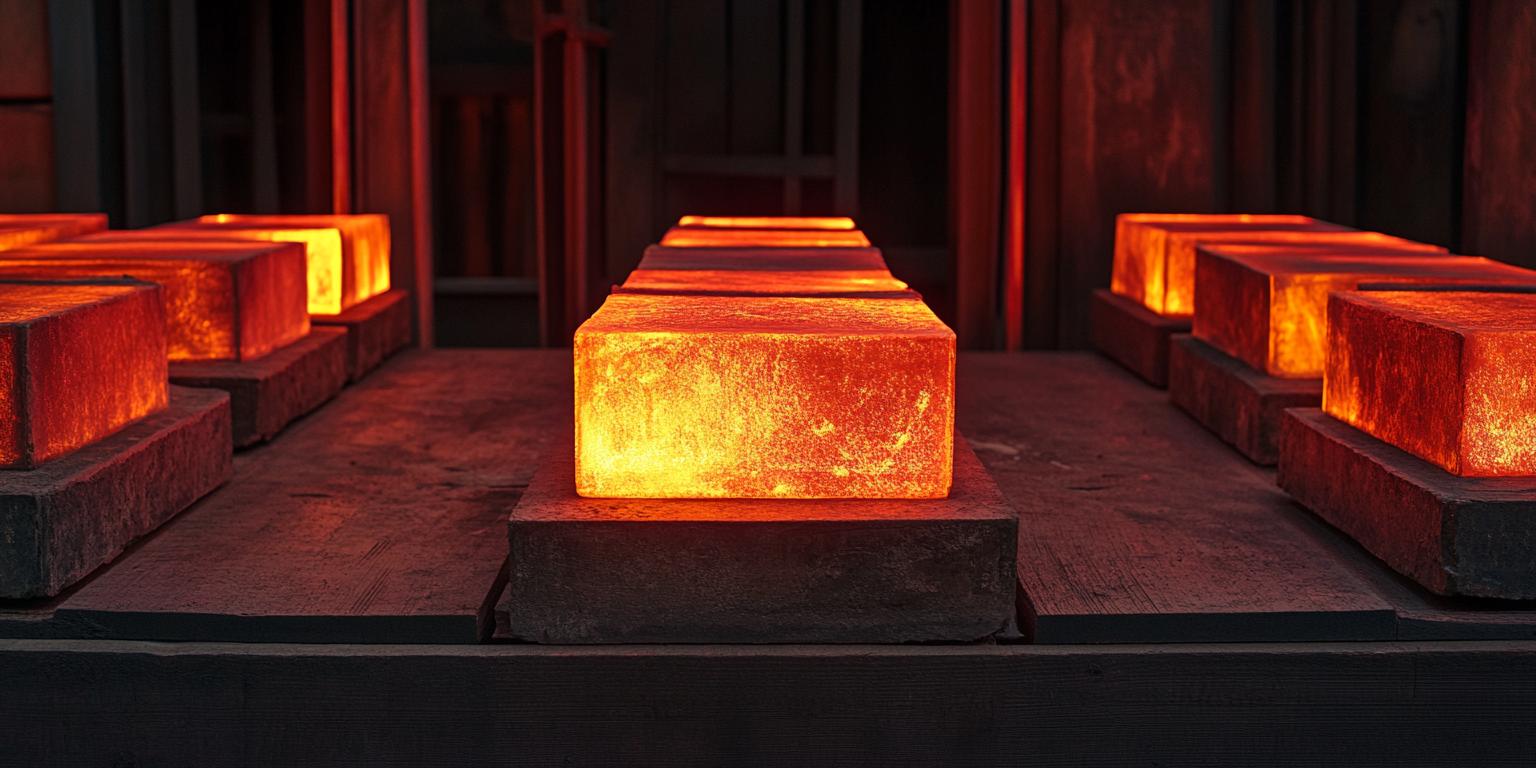
Let's take a real - world glass melting furnace as an example. When using traditional refractory materials, the furnace may experience frequent lining failures, leading to increased maintenance costs and production interruptions. However, after replacing with TY - AZS36, the situation has improved significantly.
One customer reported that the service life of their glass melting furnace increased by 30% after using TY - AZS36. This not only reduced the frequency of lining replacements but also improved the overall stability of the production process. Additionally, the maintenance cost was reduced by approximately 25% due to the lower frequency of repairs and replacements.
When exposed to high - temperature corrosion, traditional materials often show signs of rapid deterioration. For example, their volume density may decrease, and the porosity may increase, leading to a decline in their corrosion resistance. In contrast, the TY - AZS36 maintains its structural integrity and performance under high - temperature corrosion.
Here is a comparison table of the performance of traditional materials and TY - AZS36 under high - temperature corrosion:
| Performance Indicator | Traditional Materials | TY - AZS36 |
|---|---|---|
| Volume Density Change after 100 hours at 1500°C | -10% | -2% |
| Porosity Increase after 100 hours at 1500°C | +15% | +3% |
| Corrosion Resistance Rate after 100 hours at 1500°C | 30% | 10% |
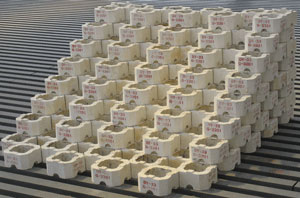
Different parts of the kiln have different requirements for lining materials. For example, the sidewall of the kiln is mainly affected by mechanical stress and heat transfer, so a material with high strength and good heat - insulation performance is needed. The TY - AZS36 with its high density and low porosity can meet these requirements well.
The throat area of the kiln is exposed to high - velocity molten glass flow, so it requires a material with excellent corrosion resistance. The TY - AZS36's low porosity and high corrosion resistance make it an ideal choice for this area.
The electrode sealing area needs a material that can withstand high - temperature electrical conductivity and chemical corrosion. The high - purity and stable performance of TY - AZS36 make it suitable for this part of the kiln.
When selecting refractory materials, engineers and procurement decision - makers should consider the specific requirements of the kiln, such as the type of production, temperature range, and chemical environment. For most high - end glass melting furnaces, TY - AZS36 is a recommended choice due to its comprehensive performance.
In terms of maintenance, regular inspections of the kiln lining are necessary. Check for any signs of wear, corrosion, or damage. If any problems are found, timely repairs or replacements should be carried out. Additionally, proper installation and operation of the kiln can also extend the service life of the lining materials.
Do you have any questions about kiln lining materials? You can leave your questions at the end of this article. Have you ever encountered problems with kiln lining failures? Share your experiences with us.
Click here to learn how TY - AZS36 can boost the efficiency of your kiln.